
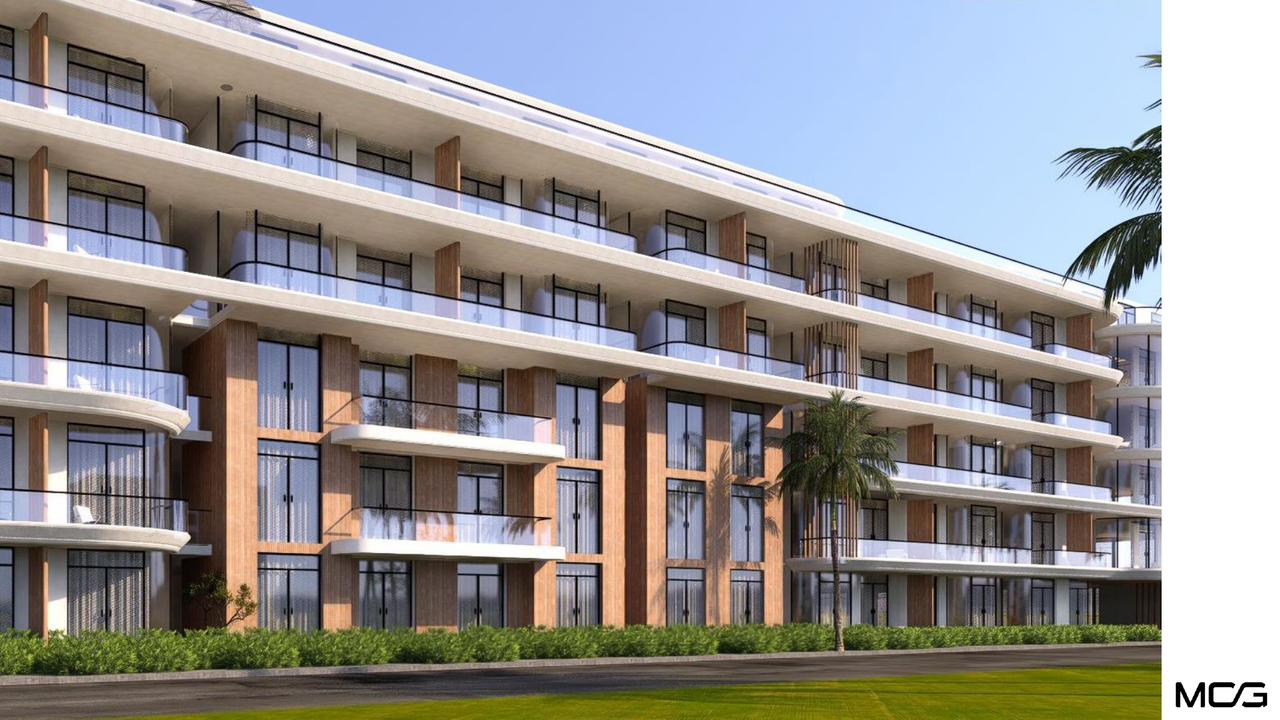
Introduction to Short-Term Rentals in Egypt
Rental properties in Egypt have seen significant growth, especially with the rise of platforms like Airbnb. Over the past decade, increasing travel globalization and demand for unique accommodations have fueled this market. Travelers now seek personalized experiences that immerse them in local culture, making rental properties a popular alternative to traditional lodging.
The tourism sector in Egypt is witnessing a renaissance, driven by a combination of cultural heritage, natural beauty, and historical significance. Major attractions, such as the Pyramids of Giza, the Nile River, and the Red Sea resorts, continue to lure visitors from all around the globe. Consequently, there is an escalating demand for diverse lodging options. Travelers increasingly prefer short-term rentals as they provide a more personalized experience compared to traditional hotels, often offering greater flexibility, unique locales, and local insights.
Furthermore, the integration of technology in the hospitality sector has made it easier for property owners to list their homes on short-term rental platforms, thus enlarging the market share. The accessibility of these platforms empowers homeowners to monetize their properties, catering to a multicultural clientele seeking affordable and memorable experiences. In this dynamic environment, short-term rentals compete with traditional rental markets, challenging long-standing norms in the Egyptian accommodation scene.
This introductory overview of short-term rentals in Egypt sets the foundation for a deeper exploration of their impact on both tourists’ accommodation choices and the local economy. Understanding this shift is vital for any stakeholder in the emerging real estate and tourism sectors.
Comparison of Airbnb and Traditional Rentals
The landscape of property rentals has experienced significant transformation in recent years, primarily due to the emergence of platforms like Airbnb, which have revolutionized the way travelers engage with temporary lodging. When comparing Airbnb and traditional rentals, several key factors emerge, including pricing, length of stay, property management, and guest experiences, each catering to different needs of travelers and property owners.
Pricing structures between Airbnb and traditional rentals often differ considerably. Airbnb hosts have the flexibility to adjust prices based on demand, season, and local events, which can lead to higher returns, particularly in peak tourist periods. According to recent statistics, Airbnb hosts in Egypt can earn up to 50% more than traditional rental landlords during high-demand months. In contrast, traditional rentals typically offer fixed monthly rates, providing stability but often limiting income potential in high-demand situations.
The length of stay is another distinguishing feature. Airbnb properties are particularly suited for short-term stays, attracting tourists and business travelers seeking temporary accommodation. Statistics reveal that approximately 60% of Airbnb bookings in Egypt are for stays of fewer than seven days. Conversely, traditional rentals cater primarily to long-term tenants, promoting stability for landlords but potentially restricting diverse guest experiences.
When it comes to property management, Airbnb hosts often manage properties themselves using the platform’s tools, granting them more control over bookings and the guest experience. Traditional rentals, however, may require more extensive management infrastructure and tenant screening processes, which can be resource-intensive. In addition, the guest experience in Airbnb accommodations is often shaped by personalized touches provided by hosts, whereas traditional rentals may offer a more standardized living environment.
Overall, both Airbnb and traditional rentals provide unique advantages and challenges that appeal to various types of travelers and investors. Understanding these differences is crucial for property owners and guests alike, as they navigate their options in Egypt’s rental market.
Impact of Short-Term Rentals on the Local Economy
The emergence of short-term rental properties, particularly through platforms like Airbnb, has significantly impacted the local economy in Egypt. This model of accommodation has created numerous opportunities for residents to monetize their properties and gain supplemental income. By offering their homes to tourists, homeowners can tap into the growing travel industry, which has become increasingly lucrative in recent years. As a result, many local residents have embraced short-term rentals, fostering a sense of entrepreneurship within communities.
Additionally, short-term rentals have generated positive ripple effects on local businesses. An influx of visitors looking for dining, entertainment, and shopping options often results in increased revenue for local establishments. Restaurants, tour operators, and shops generally experience heightened sales, thanks to the demand from guests seeking to immerse themselves in the local culture. Consequently, this growth in demand can create jobs in various sectors, from hospitality to retail, contributing to a more robust local economy.
However, the rise of short-term rentals is not without challenges. One notable concern is the effect on housing prices and availability for local residents. As more properties are converted into short-term rentals, there can be a corresponding decrease in the stock of long-term rental homes. This shift may drive up rent and make it more difficult for locals to secure affordable housing. Additionally, neighborhoods might experience an increase in transient populations, leading to potential disruptions in community cohesion.
To summarize, while short-term rentals present significant benefits for Egypt’s local economy, including increased income for homeowners and boosted business activity, they also pose challenges that require careful consideration from policymakers. Balancing the interests of homeowners, local businesses, and residents remains crucial in navigating the evolving landscape of short-term rentals in Egypt.
Future Trends in the Egyptian Rental Market
The landscape of the rental market in Egypt is witnessing significant transformations, primarily driven by the growth of short-term rental properties. This shift is largely influenced by changing regulations, advancements in technology, and evolving consumer preferences, which are expected to alter the dynamics between platforms like Airbnb and traditional rental markets.
As the popularity of short-term rentals continues to surge, regulatory frameworks are anticipated to adapt accordingly. Government authorities may implement new policies to address issues such as safety and taxation, potentially establishing a balance between protecting tenants’ rights and encouraging tourism. These regulations could create an environment where both Airbnb and traditional rentals can thrive side by side, provided they comply with specific standards.
Moreover, technology is set to play a pivotal role in the future of the Egyptian rental market. With increasing reliance on digital platforms for booking and property management, the efficiency of both property owners and renters is expected to improve. Smart home technologies, for instance, will likely gain traction, enhancing the guest experience. Property management systems and automated communication tools will streamline operations for hosts, making it easier to manage bookings, check-ins, and guest interactions.
Consumer preferences are also evolving, with a growing inclination towards personalized travel experiences that short-term rentals often provide. Travelers today seek authenticity and local insights, which traditional rentals may not always offer. This shift could lead to a further bifurcation of the rental market, with Airbnb catering to those desiring unique stays and traditional rentals appealing to long-term residents or those who prioritize stability over novelty.
In summary, the future of the rental market in Egypt will be shaped by a combination of regulatory adjustments, technological advancements, and shifting consumer preferences. The interactions between Airbnb and traditional rental providers will likely evolve as these factors play a pivotal role in defining the industry’s trajectory moving forward.
Invest smartly in Egypt’s rental properties – see how Airbnb and traditional rentals compare!

Join The Discussion