
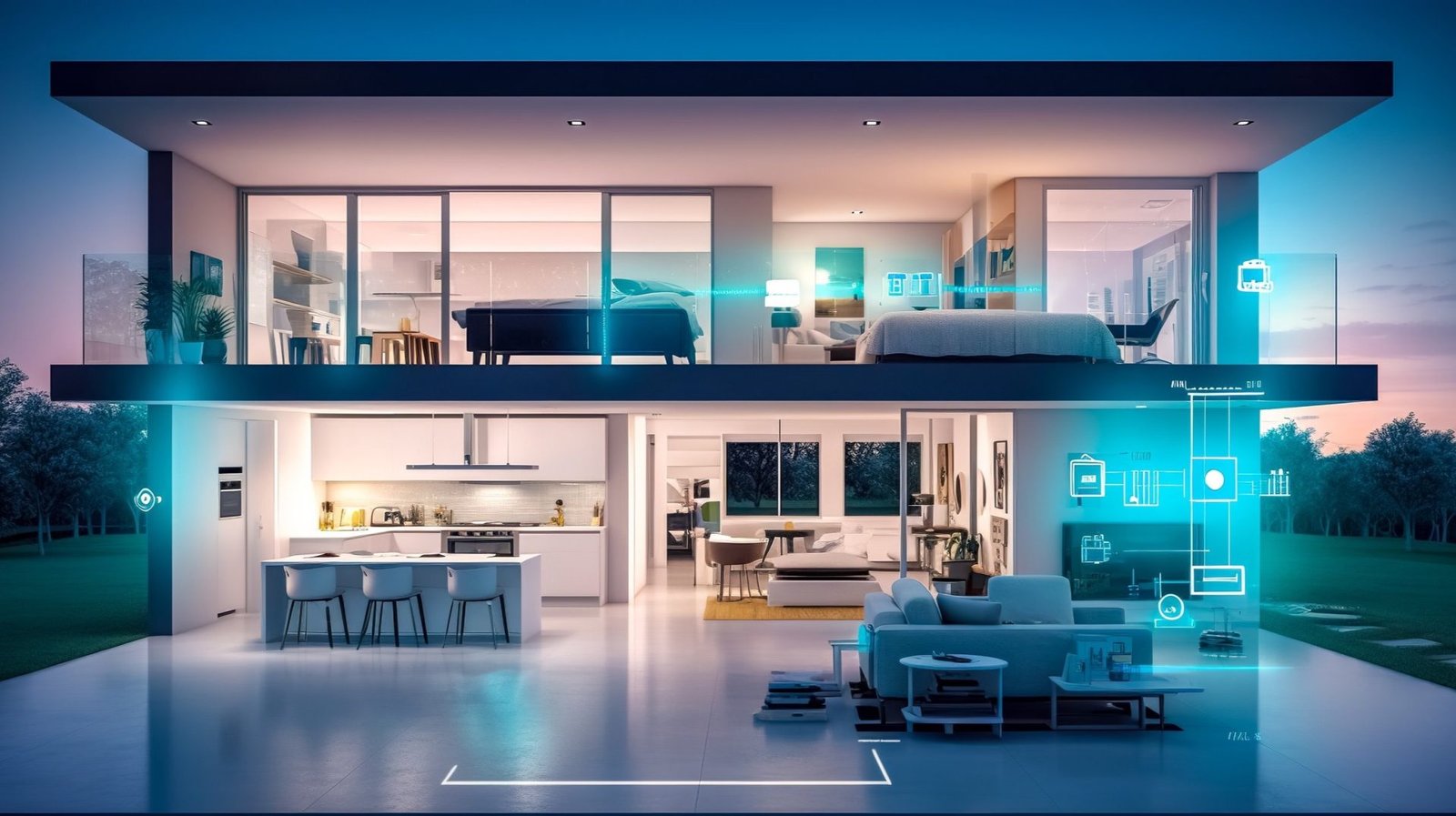
Smart Home Features Buyers Want: 7 Must-Have Features for Modern Homes
Smart home features buyers want are becoming an important consideration when choosing a modern property. From smart security systems and automated lighting to energy-efficient climate control, these technologies can make everyday living more convenient and comfortable. Whether you are buying a permanent residence, a holiday home, or an investment property, understanding the most useful smart home features buyers want can help you compare properties and make a more informed decision.
1. Smart Home Features Buyers Want for Home Security
Security is one of the most practical smart home features buyers want when purchasing a property. Smart security technology allows homeowners to monitor selected areas, manage access, and receive alerts through compatible mobile applications.
Popular security features include smart door locks, video doorbells, motion sensors, connected cameras, and smart alarm systems. Depending on the equipment, homeowners can check who is at the entrance, receive notifications when a door opens, or lock compatible doors remotely.
These features can be particularly useful for holiday homes and rental properties that may remain unoccupied for extended periods. However, buyers should check camera coverage, internet requirements, subscription costs, and backup options before paying extra for a connected security system.
2. Smart Lighting and Automated Controls
Smart lighting is another example of smart home features buyers want because it combines convenience with flexible control. Homeowners can use compatible switches, bulbs, sensors, or mobile applications to adjust lighting throughout their property.
Automated lighting can switch on outdoor lights at scheduled times, illuminate hallways when movement is detected, or create comfortable lighting settings for different activities. Some systems also allow several lights to operate together through one command.
When viewing a property, check whether smart lighting is installed throughout the home or limited to a few individual bulbs. The best systems provide simple controls and retain practical manual options if the connected technology stops working.
3. Smart Thermostats and Energy Efficiency
Energy management is becoming an important part of the smart home features buyers want, particularly for properties with regular heating or cooling requirements. Smart thermostats and compatible air-conditioning controllers allow residents to adjust temperatures, create schedules, and manage selected settings remotely.
For example, homeowners can prepare a comfortable indoor temperature before arriving or reduce unnecessary cooling while a property is empty. In Hurghada, where air conditioning is important during hot weather, remote climate control can be especially convenient for holiday-home owners.
However, smart technology does not automatically guarantee lower electricity bills. Actual savings depend on the equipment, insulation, weather conditions, occupancy, and usage habits. Buyers should confirm that the installed controls are compatible with the air-conditioning system and understand how the system operates before making a purchase.
4. Smart Home Features Buyers Want in Kitchens and Living Rooms
Connected appliances and entertainment systems can make daily routines easier. Among the smart home features buyers want are app-controlled appliances, compatible televisions, smart plugs, connected speakers, and systems that allow several devices to work together.
For instance, compatible appliances may provide notifications about their operating status, while smart plugs can allow certain devices to be switched on or off remotely. Connected entertainment systems can also simplify the control of televisions, speakers, and other compatible equipment.
Before purchasing, check which appliances are included in the sale and whether they require additional applications, subscriptions, or accessories. A property with a few reliable, compatible devices may offer more practical value than one filled with technology that is difficult to manage.
5. Water Leak Sensors and Smart Safety Devices
Some of the most useful smart home features buyers want are designed to identify potential problems before they become more serious. Water leak detectors, connected smoke alarms, and other compatible safety sensors can provide alerts when they detect certain conditions.
Water leak sensors can be placed near washing machines, water heaters, and vulnerable plumbing connections. More advanced systems can work with compatible automatic shut-off valves to stop the water supply when a leak is detected.
These devices can be especially valuable in properties that remain empty for long periods. Nevertheless, buyers should confirm that sensors are installed in appropriate locations, batteries are working, and alerts are configured correctly. Smart safety equipment should complement, not replace, legally required alarms and regular property maintenance.
6. Integrated Smart Home Systems and Reliable Connectivity
Compatibility is one of the most important smart home features buyers want to consider before committing to a property. A home may have several connected devices, but managing them can become frustrating if every device requires a separate application or account.
An integrated system brings compatible functions together through a shared platform, hub, or control interface. Depending on the setup, residents may be able to manage lighting, climate control, security, and other functions from one place.
Buyers should check whether the system works with their preferred smartphone, whether a dedicated hub is required, and which functions depend on an internet connection. It is also important to understand what happens during a power cut, network failure, or service interruption.
During a property viewing, ask the seller or developer to demonstrate the main functions. Testing a smart lock, adjusting the temperature, and operating a lighting routine can reveal practical issues that a feature list alone may not show.
7. Privacy, Maintenance, and Long-Term Costs
Smart home features buyers want should offer practical benefits without introducing unexpected expenses or privacy concerns. Connected cameras, smart locks, and voice assistants may store personal information or allow access to previous users if their accounts are not properly transferred.
Before buying, request a list of the included devices, their condition, warranty details, and any recurring subscription or monitoring fees. Confirm whether ownership can be transferred and whether the seller must remove existing accounts or reset the equipment.
After handover, follow the manufacturer’s instructions to change passwords, remove previous users, enable two-factor authentication where available, and install software updates. Buyers should also check the availability of technical support and replacement equipment.
These precautions help ensure that the smart technology remains useful after the purchase rather than becoming an additional maintenance burden.
Are Smart Home Features Worth the Extra Cost?
The value of smart home features buyers want depends on their lifestyle, budget, and reasons for purchasing a property. Security systems may offer greater convenience for owners who travel frequently, while automated lighting and climate controls can simplify everyday routines.
For investors, compatible smart locks and remote monitoring may support property management, depending on the rental arrangement and local requirements. However, smart technology does not guarantee higher rental income or increased resale value. Those outcomes depend on location, property quality, market demand, and the cost of maintaining the system.
Before paying a premium, compare the installed equipment, compatibility, operating costs, and expected benefits. Prioritise reliable technology that solves real problems instead of paying extra for features you are unlikely to use.
Final Checklist Before Buying a Smart Home
When comparing properties, use this checklist to evaluate the smart home features buyers want:
Check which smart devices are included in the purchase price.
Test the main controls and confirm that the equipment works.
Verify compatibility with your smartphone and other connected devices.
Ask about internet requirements, subscriptions, and maintenance costs.
Confirm that essential functions have practical manual alternatives.
Review privacy settings and the process for transferring device ownership.
Request manuals, warranties, and technical support information.
Ultimately, smart home features buyers want should improve comfort, security, and convenience without making a property unnecessarily complicated. By checking the installation, compatibility, ongoing costs, and ownership arrangements, buyers can identify homes with technology that delivers genuine everyday value.
Looking for a modern property in Hurghada? Explore our available properties or contact Rook Development to find a home that matches your lifestyle and investment goals.





Join The Discussion