Understanding Ready-to-Move Properties
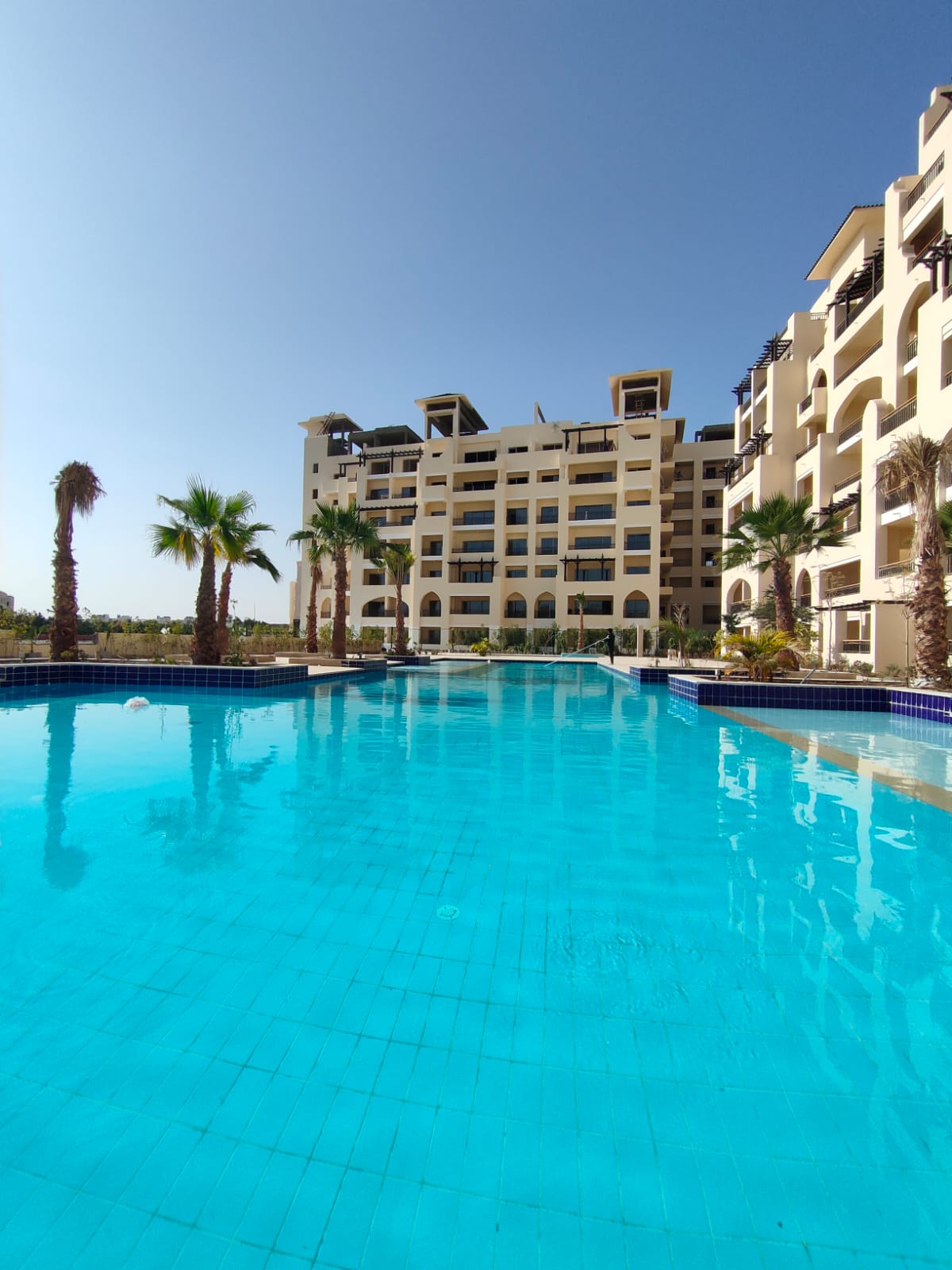
Ready-to-Move vs Under-Construction Properties is one of the most important comparisons for homebuyers and real estate investors. Ready-to-move properties are residential units that have already completed construction and are available for immediate occupancy. Buyers can purchase these properties and move in without delays, making them an attractive option for those who prioritize convenience and certainty.
One of the primary benefits highlighted in the Ready-to-Move vs Under-Construction Properties debate is the elimination of waiting time. Unlike under-construction properties, which may experience project delays or changes in delivery schedules, ready-to-move units are immediately available for use. This allows buyers to inspect the property firsthand, assess construction quality, and avoid uncertainties associated with ongoing development projects.
Another advantage of purchasing a ready-to-move property is the ability to visualize the final product before making a decision. Prospective buyers can physically inspect the property and assess its layout, design, and overall condition, allowing them to make informed choices. This opportunity for hands-on assessment is often reassuring, particularly when considering significant financial investments. Furthermore, the completed construction also ensures compliance with local regulations and building standards, reducing the risks associated with purchasing a property.
Investing in ready-to-move properties can also offer potential financial benefits. For those considering rental income, these properties are in a position to generate revenue immediately after acquisition. There is no need to wait for construction completion to start receiving rent from tenants, thus enabling owners to begin generating cash flow right away. This can be particularly advantageous for investors looking to maximize returns on their real estate investments.
In summary, ready-to-move properties present several benefits, including instant availability, the capacity for thorough evaluation, and the potential for immediate rental income. Such attributes make them a compelling choice for buyers seeking convenience and reliability in their property investments.
Exploring Under-Construction Properties
In the Ready-to-Move vs Under-Construction Properties comparison, under-construction properties offer unique advantages for both homebuyers and investors. One of the most compelling benefits of under-construction properties is their typically lower purchase price compared to ready-to-move units. This affordability makes them an attractive option for buyers seeking long-term value and potential capital appreciation.
A key factor in the Ready-to-Move vs Under-Construction Properties debate is the opportunity for customization. Buyers of under-construction properties often have the flexibility to choose finishes, materials, and design elements that match their personal preferences. From selecting flooring and paint colors to adjusting layouts where possible, this level of customization can create a more personalized living experience.
Another advantage highlighted in the Ready-to-Move vs Under-Construction Properties discussion is the potential for property value growth during the construction phase. As the project progresses and surrounding infrastructure develops, property values may increase before completion. This makes under-construction properties appealing not only as future homes but also as strategic real estate investments with strong appreciation potential.
Moreover, there is the prospect of price appreciation over time. As the market evolves and demand increases, owning a property that is under construction may yield significant returns, especially in areas poised for growth. Investors and homeowners alike often view under-construction properties as a means of capitalizing on the real estate market’s upward trajectory.
However, it is critical to address potential risks associated with purchasing such properties. Construction delays, which can stem from a variety of factors including regulatory hurdles and supply chain issues, are common challenges that prospective buyers should consider. Additionally, there is always an inherent uncertainty regarding the quality of construction upon completion, as one may not have the chance to inspect the finished product before purchase. Therefore, it is vital for buyers to conduct thorough research, review the developer’s track record, and possibly consult with real estate experts to navigate the complexities of investing in under-construction properties.
Comparative Analysis: Pros and Cons of Each Option
The Ready-to-Move vs Under-Construction Properties comparison involves several important factors, including cost, risk, investment timeline, and customization opportunities. Understanding the differences between these property types can help buyers make informed decisions based on their financial goals and lifestyle needs.
In the Ready-to-Move vs Under-Construction Properties debate, ready-to-move units offer the advantage of immediate occupancy. Buyers can move into their new homes without waiting for construction to be completed, providing greater certainty and convenience. This option is especially appealing for those who need a residence right away or want to start generating rental income immediately.
Another key aspect of Ready-to-Move vs Under-Construction Properties is financial transparency. Ready-to-move properties allow buyers to inspect the completed unit, evaluate construction quality, and understand the total cost before making a purchase decision. This visibility helps reduce the risk of unexpected expenses or project delays that can sometimes occur with under-construction developments. As a result, ready-to-move properties are often viewed as a lower-risk option for both homeowners and real estate investors.
On the other hand, under-construction properties frequently come with a lower entry price point. This affordability can be compelling for investors seeking to capitalize on potential appreciation as the property nears completion. Moreover, under-construction properties often allow for some degree of customization during the construction phase, which can suit individual tastes and preferences.
However, investing in under-construction properties carries inherent risks. Delays in construction timelines can lead to increased costs and frustration, impacting the buyer’s investment strategy. Additionally, there is the uncertainty related to fulfilling quality and design specifications as promised by builders, which can be detrimental when expectations are not met.
Ultimately, the choice between ready-to-move and under-construction properties should reflect personal lifestyle factors, including the urgency to relocate, current financial situations, and broader investment strategies. Buyers who prioritize immediate occupancy may lean towards ready-to-move options, while those who can afford to wait may consider the potential long-term benefits of an under-construction property.
Making the Right Choice for Your Needs
When considering Ready-to-Move vs Under-Construction Properties, choosing the right option requires a careful assessment of your financial situation, lifestyle needs, and long-term investment goals. The decision between these two property types can significantly influence both your living experience and financial future.
A key factor in the Ready-to-Move vs Under-Construction Properties comparison is financial readiness. Buyers should evaluate their budget, available savings, and financing options before making a purchase. Ready-to-move properties often require a larger upfront investment, while under-construction properties may provide lower initial costs and more flexible installment plans.
Another important consideration in the Ready-to-Move vs Under-Construction Properties decision is your ability to manage ongoing expenses. Assess whether you can comfortably afford the down payment, monthly installments, maintenance costs, and any additional expenses that may arise. By carefully reviewing your financial capacity and future objectives, you can determine which property type best aligns with your needs and investment strategy.
Next, reflect on your living situation. If you require immediate accommodation due to job relocation or family needs, ready-to-move properties might be the most suitable option. On the other hand, if you have a flexible timeline and are willing to wait, an under-construction property can allow you to customize your home according to your preferences, potentially leading to a better long-term investment.
It is also vital to think about your future plans. Consider how long you intend to stay in the property. If you plan to reside there for several years, an under-construction option may offer value appreciation over time. Do market research to understand the real estate trends in the targeted area, as this can greatly influence your decision. Price fluctuations, neighborhood developments, and community amenities can all affect the viability of either option.
In the Ready-to-Move vs Under-Construction Properties decision-making process, consulting with experienced real estate professionals can provide valuable insights into current market trends, property values, and investment opportunities. A knowledgeable real estate agent can help buyers understand the advantages and challenges of each option while offering guidance based on their specific budget, timeline, and goals.
Another important aspect of Ready-to-Move vs Under-Construction Properties is evaluating how each option aligns with your personal and financial objectives. Professional advice can help you identify potential risks, assess future appreciation potential, and avoid common mistakes that buyers may encounter during the purchasing process.
Ultimately, the Ready-to-Move vs Under-Construction Properties choice should be based on a clear understanding of your financial capacity, lifestyle preferences, and long-term plans. By carefully considering these factors and seeking expert guidance when needed, you can confidently select the property type that best supports your homeownership or investment goals.




Join The Discussion