
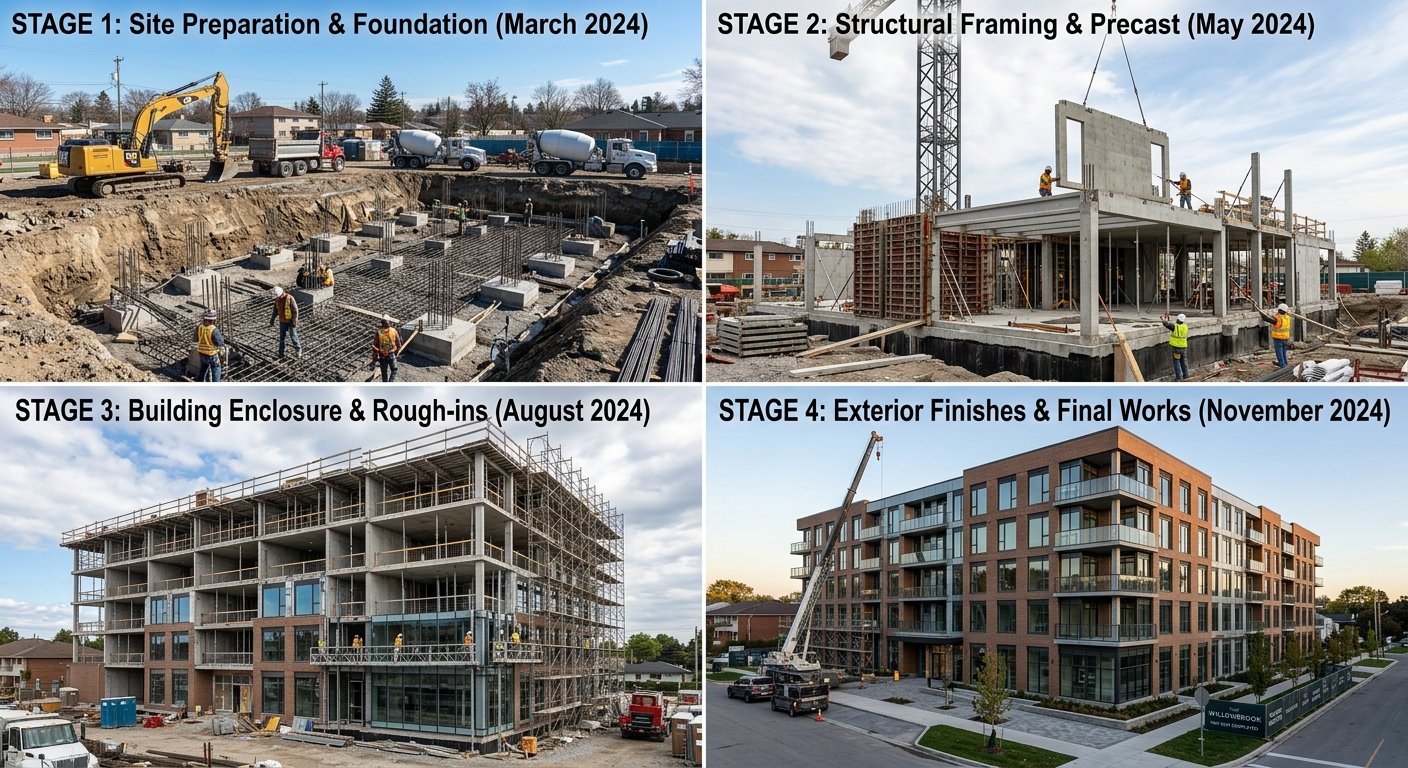
Construction Stages: A Complete Guide to Building a Property
Understanding the Construction Stages of a property helps buyers, investors, and homeowners know what to expect throughout the building process. From initial planning and site preparation to structural work, utilities, finishing, and final inspections, every stage plays an important role in creating a safe and functional property. Knowing how these construction stages work can also help investors follow project progress and make better real estate decisions.
The Pre-Construction Phase
The first of the Construction Stages is the pre-construction phase, a critical period that lays the groundwork for a successful property construction project. This stage includes several vital steps that must be carefully planned to ensure that the construction process proceeds smoothly and efficiently.
One of the primary tasks during this phase is site selection, which involves identifying a suitable location that aligns with the project’s vision, purpose, and development requirements. The location can have a significant impact on the property’s future value, accessibility, and overall appeal.
Alongside choosing the site, establishing an accurate budget is imperative. The budget should cover estimated construction costs while also allowing for unforeseen expenses that may arise during the project. Working with financial experts can help create a realistic budget and reduce the risk of unexpected financial challenges.
Obtaining the necessary permits is another essential part of the property construction stages. Local regulations often require specific permits before physical work can begin. Navigating these requirements with the help of qualified professionals can prevent delays and ensure that the project follows applicable regulations.
Creating a comprehensive construction plan is also important. The plan should outline the different stages, estimated timelines, responsibilities, materials, and required resources. Engaging architects, engineers, and contractors at this point can help optimize the design and functionality of the building.
Planning design and functionality early can also prevent expensive modifications later. Factors such as space usage, movement, natural lighting, ventilation, and environmental conditions should be considered before construction begins. These decisions can significantly influence the final result and help create a property that meets the expectations of its future occupants.
Breaking Ground: The Foundation Stage
The foundation stage is one of the most important Construction Stages because it provides the structural base for the entire building. A strong and properly designed foundation helps support the property’s weight and contributes to its long-term stability and safety.
Before the foundation is installed, soil testing is essential. This process examines the soil’s composition, density, drainage, and stability. Understanding these characteristics helps engineers determine the most suitable foundation design for the property.
Once the site has been prepared and the soil has been tested, construction teams can begin excavation, grading, and foundation work. Depending on the project’s design and location, different foundation systems may be used. The appropriate choice depends on factors such as soil conditions, building size, climate, and engineering requirements.
Safety is particularly important during this part of the building construction stages. Heavy machinery, excavation equipment, and deep foundations can create potential hazards. Following proper safety procedures helps protect workers and reduces the risk of accidents.
Inspections are also conducted during the foundation stage to ensure that the work follows approved engineering plans and applicable building standards. Weather conditions should also be monitored because excessive rain, extreme temperatures, or poor site conditions can affect construction quality.
A properly completed foundation provides a strong base for the next stages and is essential for the long-term performance of the property.
The Structural Framework and Utilities Installation
After the foundation has been completed, the next step in the Construction Stages is developing the structural framework of the property. This phase gives the building its main shape and provides support for walls, floors, ceilings, and the roof.
Construction teams select structural materials according to the project’s design, engineering requirements, location, and intended use. Common materials include concrete, steel, and other building systems. Engineers use detailed plans to determine the appropriate structural solutions for the property.
Framing and structural work are essential because they define the layout and strength of the building. During this stage, construction teams must carefully follow engineering specifications to ensure that the structure can safely support the required loads.
As the structural framework develops, essential utilities are installed. These systems commonly include plumbing, electrical wiring, water supply, drainage, and HVAC systems. Proper coordination between different trades is important to prevent conflicts and ensure that all systems are installed correctly.
Utility installation is an important part of the property construction stages because these systems directly affect the comfort, safety, and functionality of the finished property. Skilled professionals should handle these installations, while inspections help ensure compliance with applicable building requirements.
Completing the structural framework and utilities successfully prepares the property for the interior and exterior finishing stages.
Finishing Touches: Interior and Exterior Work
The finishing phase is one of the final Construction Stages and focuses on transforming the structure into a completed and functional property. During this stage, interior and exterior elements are installed and finished according to the approved design.
Interior work can include drywall, plastering, painting, flooring, doors, lighting, kitchen cabinets, bathrooms, and other fixtures. Each element contributes to the property’s appearance, comfort, and functionality.
Flooring, for example, should be selected according to the intended use of each space, considering factors such as durability, maintenance, and design. Similarly, cabinetry in kitchens and bathrooms should provide practical storage while complementing the overall interior style.
Exterior work may include roofing, façades, painting, landscaping, balconies, outdoor areas, and other architectural details. These elements protect the property from environmental conditions while also contributing to its appearance and market appeal.
Attention to detail during these construction stages is essential. Any defects or unfinished work should be identified and corrected before the property reaches the final inspection stage.
The finishing process ultimately brings the architectural plans to life, creating a property that combines aesthetics, functionality, safety, and comfort.
Final Inspection and Property Handover
The final step in the Construction Stages is inspection, completion, and handover. Before the property is delivered, the construction team should review the completed work and identify any remaining issues.
Final inspections can cover structural elements, electrical systems, plumbing, finishes, safety features, and other important components. Any required corrections should be completed before the property is considered ready for handover.
For buyers and investors, understanding these property construction stages provides valuable insight into the progress of a development. It can also make it easier to understand expected delivery timelines and evaluate the quality of the completed property.
Overall, every stage of the construction process contributes to the final result. From planning and foundations to structural work, utilities, finishing, and handover, following each stage carefully helps create a safe, durable, and functional property.
Ready to invest in your next property? Explore our latest properties for sale in Hurghada and find the right home or investment opportunity for you.
Discover Hurghada: Learn more about Hurghada, its Red Sea beaches, attractions, activities, and tourism opportunities from the official Egypt tourism resource.



Join The Discussion