

What is Capital Appreciation?
Capital appreciation refers to the increase in the value of a property over a specific period of time, a fundamental concept in real estate investments. When investors purchase a property, they often anticipate that its value will rise in the future, allowing them to sell it at a profit. This increase in value is influenced by several factors that play a crucial role in the real estate market.
One significant factor that affects capital appreciation is market trends. These trends can be influenced by economic conditions, interest rates, and demographic shifts, which can either promote or hinder property value increases. For instance, a booming economy with low interest rates often leads to a surge in property demand, consequently raising the prices. In contrast, economic downturns can lead to stagnant or declining property values, adversely affecting capital appreciation.
Location is another critical determinant of a property’s potential for capital appreciation. Properties situated in desirable areas, often characterized by good infrastructure, schools, and amenities, generally experience greater appreciation than those in less favorable locations. Additionally, the level of property development in an area can significantly impact its appreciation potential. New developments and improvements in infrastructure, such as transportation networks or local services, can enhance the desirability of a location, thus influencing its property values.
It is essential to differentiate between capital appreciation and rental income in real estate investments. While capital appreciation focuses on the increase in a property’s value, rental income refers to the revenue generated from leasing the property. Both factors are vital for investment success, but they serve different purposes in assessing the profitability of a property. Understanding capital appreciation is significant for investors, as it helps them make informed decisions about property acquisition and potential long-term returns.
Factors Influencing Property Value Increase
Capital appreciation in real estate investments is a multifaceted process influenced by various factors that can lead to an increase in property values. Understanding these elements is crucial for investors seeking long-term gains.
One primary factor is economic growth, which plays a significant role in determining property values. When an area’s economy is thriving, it typically leads to higher employment rates and increased disposable income among residents. This, in turn, drives demand for housing, resulting in upward pressure on property prices.
The condition of the local property market is another critical aspect. In a competitive market where demand outstrips supply, properties are likely to appreciate more rapidly. Conversely, an oversaturated market may stifle growth. Investors should assess local property trends, including sales volume, average prices, and the rate of new construction, to gauge the potential for appreciation.
Demographic changes also significantly impact property values. Population growth, shifts in age demographics, and migration patterns can alter demand for housing in specific areas. For instance, a growing population of young professionals may increase demand for urban apartments, while retirees might drive interest in suburban homes. These changes typically reflect broader trends that influence the real estate landscape.
Infrastructure developments cannot be overlooked in this context. Improvements such as new transportation systems, schools, and public amenities enhance the attractiveness of an area and subsequently elevate property values. As regions become more accessible and livable, the demand for real estate in those locations tends to rise.
Lastly, governmental policies, including zoning laws, tax incentives, and housing regulations, can have a profound impact on capital appreciation. Supportive policies can encourage development and investment, while restrictive regulations may hamper market growth. Investors must stay informed about local governmental initiatives that could affect property values.
The Role of Location in Capital Appreciation
Location is paramount in determining the value of real estate investments and is often cited as the most critical factor in capital appreciation. Properties situated in desirable neighborhoods tend to experience significant growth in value over time, driven by various amenities and essential services that enhance livability.
One of the primary facets influencing property values is proximity to amenities such as shopping centers, parks, and recreational facilities. These conveniences not only attract potential buyers but also increase the overall demand for housing in the area. For instance, neighborhoods situated near well-maintained parks or vibrant shopping districts often see a surge in property values as prospective buyers are drawn to areas that offer recreational options and lifestyle enhancements.
Education is another vital aspect contributing to capital appreciation. Properties located near reputable schools, colleges, or universities typically enjoy higher demand. Families often prioritize access to quality education, resulting in a willingness to pay a premium for homes within proximity to such institutions. A case in point is the rapid appreciation of properties in communities surrounding top-rated public schools. An analysis of such areas reveals that values can climb substantially, thereby enhancing the investment potential for homeowners and real estate investors alike.
Transportation options also play a crucial role, reflecting how accessible an area is to major highways, public transit systems, and airports. Regions with convenient access to these transportation hubs often see a rise in property values as they appeal to individuals who commute for work or leisure. A notable example includes neighborhoods close to metro stations or bus routes, where property values have escalated due to the improved connectivity and ease of travel.
In conclusion, the significance of location in the context of real estate cannot be overstated. A thorough understanding of local dynamics, including proximity to amenities, educational institutions, and transportation options, can provide investors with invaluable insights into potential capital appreciation opportunities.
Strategies to Maximize Capital Appreciation for Investors
Investing in real estate can be a lucrative opportunity, particularly when focusing on capital appreciation. To maximize this potential, investors should consider several actionable strategies. One significant approach is selecting properties in growth areas. These locales typically exhibit expanding infrastructure, increasing population, and demand for housing. Researching areas with upcoming developments or commercial projects can provide insight into potential future value increases.
Another effective strategy is implementing best practices for property maintenance and improvements. This involves not only regular upkeep but also strategic enhancements that increase a property’s appeal and functionality. Investors should consider updates such as modernizing kitchens and bathrooms, improving energy efficiency, and enhancing curb appeal through landscaping. These upgrades can significantly boost a property’s marketability and resale value.
Understanding market cycles is also crucial for maximizing capital appreciation. Investors must stay informed about economic indicators that signal shifts in the market, such as interest rate changes, employment rates, and housing supply fluctuations. By anticipating these cycles, investors can make timely decisions to buy, hold, or sell properties to optimize returns.
Moreover, long-term planning is vital in real estate investment. Investors should not only have a clear understanding of their financial goals but also the timeframe for achieving them. This foresight helps in making informed choices about property acquisition and development, ultimately contributing to sustained capital appreciation over the years. By combining location analysis, property enhancements, market cycle awareness, and strategic long-term planning, investors can significantly increase the likelihood of realizing substantial capital appreciation in their real estate ventures.
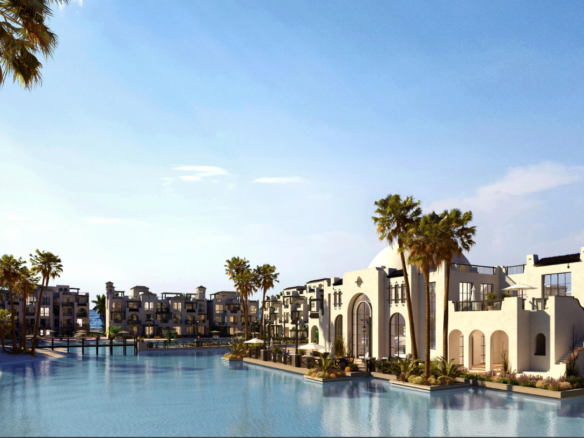
Explore Property Investment Opportunities in Hurghada
Looking for capital appreciation potential? Explore our latest Hurghada projects, compare properties, prices, and payment plans, and find the right investment for your goals.
Want to learn more about the destination before investing? Discover Hurghada and explore its beaches, lifestyle, attractions, and growing appeal as a Red Sea property destination.




Join The Discussion