
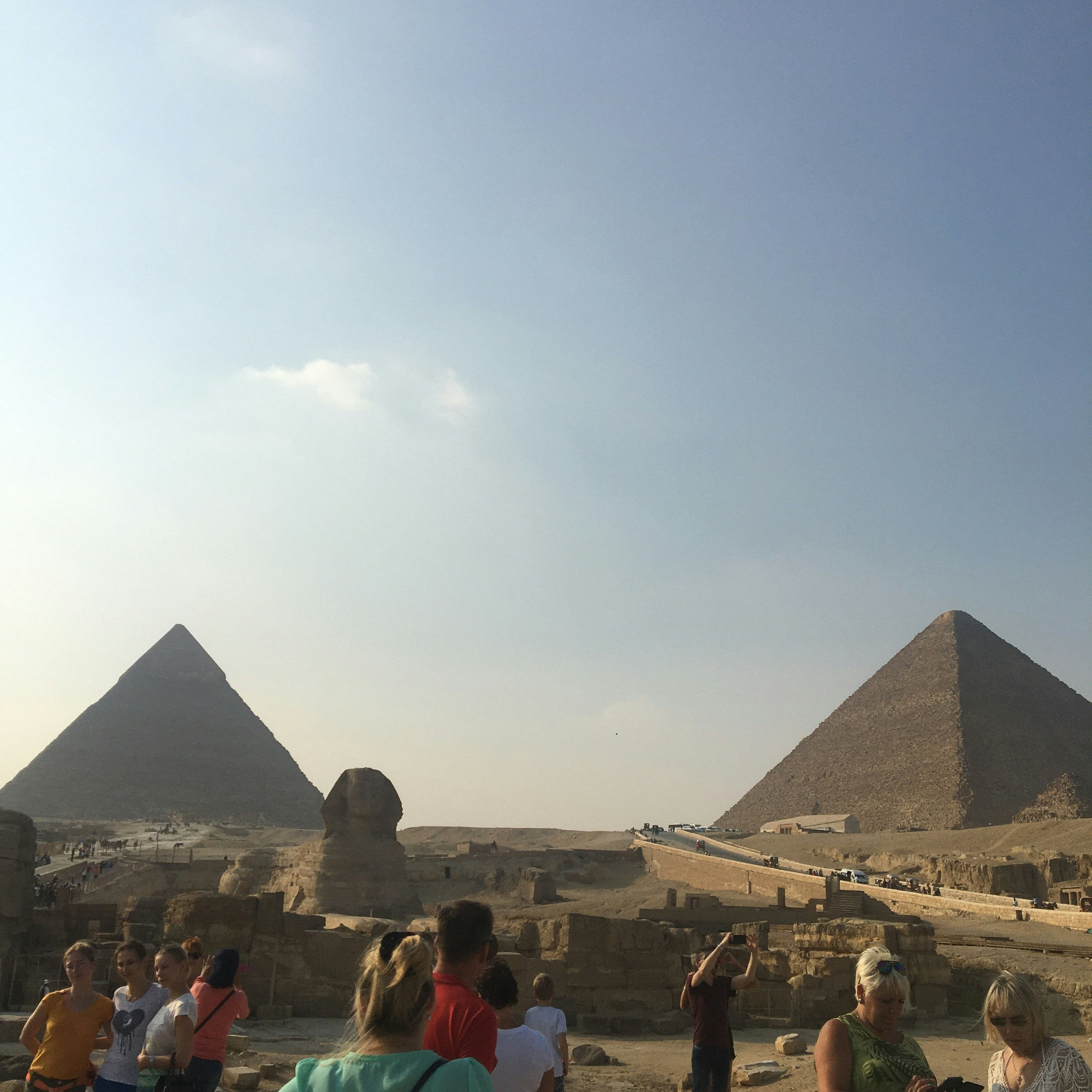
The Economic Landscape of Egypt
Egypt’s economic landscape has undergone significant transformation in recent years, positioning the nation as a burgeoning hotspot for real estate investment in the MENA region. The country’s GDP has shown commendable growth, with projections indicating a strengthening of economic performance alongside manageable inflation rates. As of 2023, the IMF reports that Egypt’s GDP growth rate is estimated at around 5.5%, reflecting the ongoing recovery from the impacts of the global pandemic and geopolitical challenges.
One of the crucial drivers supporting this economic stability is the government’s commitment to reforming and modernizing the economic framework. Initiatives, such as the Economic Growth Plan and the launch of the “2030 Vision,” align closely with efforts to enhance foreign direct investment (FDI). Over the past few years, Egypt has witnessed a notable increase in FDI, particularly in the sectors of infrastructure, energy, and, importantly, real estate. According to statistics from the Central Bank of Egypt, FDI inflows amounted to approximately $8.4 billion in the first half of 2023, a positive signal for stakeholders in the real estate market.
Moreover, the diversification of Egypt’s economy plays a substantial role in its attractiveness to real estate investors. As tourism, manufacturing, and technology expand, they create a ripple effect that bolsters demand for both commercial and residential properties. The tourism sector, historically a pillar of the Egyptian economy, has been revitalized following the easing of travel restrictions, inviting more visitors and creating a need for hospitality-related real estate development. Furthermore, ongoing investments in infrastructure—including transportation projects—are set to enhance connectivity and urban development, making Egypt’s cities increasingly viable for real estate investment.
Through effective governance, ongoing reforms, and a commitment to diversifying the economy, Egypt has established a favorable investment climate that continues to attract real estate interest in the MENA region.
Government Initiatives and Infrastructure Development
The Egyptian government has launched several initiatives to position the country as a leading real estate investment destination in the MENA region. Through a strategic focus on infrastructure development, the government is enhancing its appeal to both local and foreign investors. One of the key components of this strategy is the construction of new cities and urban areas aimed at alleviating population density in major metropolitan hubs. For instance, the New Administrative Capital, which is being developed east of Cairo, is set to embody modern urban planning principles. This ambitious project includes government buildings, residential housing, and recreational facilities, all of which aim to boost economic activity and attract investment.
Improvements in transportation infrastructure represent another critical aspect of the government’s initiative to enhance real estate investment. The development of extensive road networks, metro systems, and airports is designed to improve accessibility to various regions of the country. Notably, the expansion of the Cairo Metro and the development of new roadways have significantly reduced travel times between key commercial areas, making prime real estate locations more attractive for investors seeking convenience and connectivity.
Furthermore, Egypt’s Economic Zones, such as the Suez Canal Economic Zone, are pivotal in driving investment interest. These zones offer tax incentives and streamlined regulations aimed at fostering foreign direct investment. By providing physical and regulatory frameworks that support business growth, they have improved investor sentiment, thus making the real estate market more accessible.
In addition to these projects, the government has implemented various incentives for both local and international investors seeking to enter the Egyptian real estate market. Such an approach has resulted in bolstered investor confidence, paving the way for a flourishing property landscape. Consequently, government initiatives play a crucial role in transforming Egypt into a real estate investment hotspot within the MENA region.
Demand Drivers in the Real Estate Market
The real estate market in Egypt is witnessing a significant transformation driven by various demand factors. One of the primary drivers is the country’s demographic profile, characterized by a burgeoning population that is expected to surpass 100 million by 2030. This increase in population creates a heightened need for housing, aiming to accommodate a diverse society that spans a wide range of socioeconomic backgrounds.
Urbanization trends further contribute to the rising demand for real estate in Egypt. Cities are rapidly expanding, with many individuals and families migrating from rural areas to urban centers in search of better employment, educational opportunities, and improved living standards. This urban migration has led to increased demand for residential properties, as well as commercial spaces to support the growing urban population. Consequently, developers are focusing on constructing new residential complexes and commercial establishments to cater to the shifting demographic and their evolving needs.
An interesting aspect of real estate demand in Egypt is the significant rise in the middle-class population. This group is increasingly seeking modern housing options, including affordable apartments and townhouses, as well as middle-range commercial spaces that meet their lifestyle requirements. Additionally, there is a notable demand for luxury developments, particularly in prime locations such as Cairo, the North Coast, and areas near the Red Sea. This inclination toward upscale living reflects not only a growing disposable income but also a desire for enhanced living experiences.
Specific regions within Egypt have emerged as real estate hotspots, spurred by government investment in infrastructure and development projects. The areas surrounding Cairo, including New Administrative Capital and New Alamein City, are attracting considerable interest. These regions offer a mix of residential and commercial properties, further amplifying the appeal for both local and foreign investors. The diverse range of real estate offerings is positioning Egypt as a compelling market for various stakeholders in the region.
Investment Opportunities and Challenges
Egypt’s real estate sector presents a multitude of investment opportunities across various segments, including residential, commercial, and industrial properties. The residential market is particularly attractive due to the increasing demand for housing in urban centers and burgeoning cities. With a growing population and a youthful demographic, the need for affordable housing solutions has prompted both local and international investors to explore residential developments. Additionally, luxury real estate projects are also gaining traction, appealing to affluent buyers looking for high-end living environments.
Commercial real estate ventures are also on the rise, driven by Egypt’s strategic location and efforts to boost tourism, trade, and business tourism. The establishment of new business districts, particularly in cities like Cairo and Alexandria, promises substantial returns on investment for those venturing into office spaces, retail outlets, and hospitality developments. Moreover, the government’s initiatives to improve infrastructure, such as transport and utilities, are enhancing the attractiveness of these investments.
On the industrial front, Egypt provides significant opportunities driven by its favorable trade agreements and the government’s push to position the country as a regional manufacturing hub. Investors can consider opportunities in logistics parks, factories, and warehousing facilities, particularly near the Suez Canal, which serves as a global trade artery.
However, potential challenges exist for investors in the Egyptian real estate market. Regulatory hurdles, including complex bureaucratic processes and shifting policies, can pose significant barriers. Furthermore, the real estate market can experience periods of volatility associated with economic shifts or changes in foreign investment levels, impacting property values and rental yields. Understanding these challenges is crucial for successful navigation through the investment landscape in Egypt’s real estate sector.

Join The Discussion