
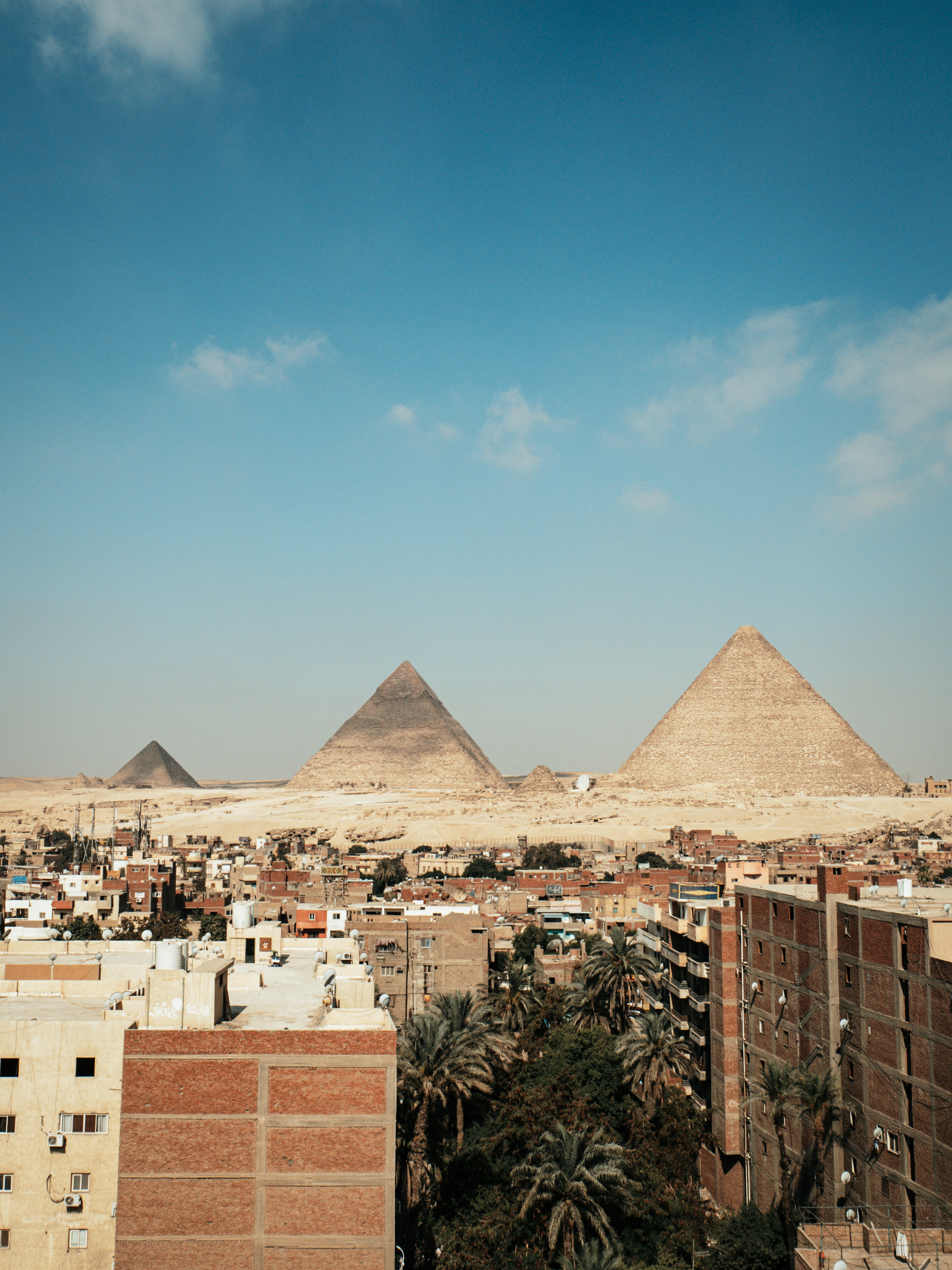
Overview of Egypt’s Economic Growth
Over the past decade, Egypt’s economic landscape has undergone significant transformations, marked by a steady increase in GDP growth rates, which has been a crucial indicator of its economic health. The nation has experienced growth rates averaging around 5-6% annually, even amid global economic challenges. This upward trajectory is fueled by various sectors, notably tourism, manufacturing, and technology.
The tourism sector has seen a resurgence, contributing substantially to foreign direct investment (FDI) and providing a robust source of employment. As one of the world’s oldest and most popular tourist destinations, Egypt has capitalized on its rich cultural heritage to attract millions of visitors annually. The government’s efforts to improve infrastructure and promote diverse tourism offerings have further solidified its position as a key economic pillar.
Manufacturing, another pivotal sector, benefits from Egypt’s strategic geographical location and trade agreements, providing access to both European and African markets. The sector has been diversified, with industries ranging from textiles to pharmaceuticals witnessing expansions that lead to job creation and increased exports. The government has initiated policies aimed at enhancing manufacturing productivity and competitiveness, solidifying its importance amidst economic reforms.
Additionally, the booming technology sector has emerged as a notable driver of economic advancement, attracting investors and fostering innovation. Initiatives focused on building a digital economy, particularly among the youth, have stimulated entrepreneurship, leading to a vibrant startup ecosystem aimed at leveraging technological advancements for growth.
While inflation rates have posed challenges, government measures have been implemented to mitigate their impact, ensuring that consumers retain purchasing power. The balanced combination of sustained GDP growth, evolving employment trends, and sectoral contributions indicates a robust economic environment that holds promise for the property market investment opportunities in Egypt.
Trends in the Egyptian Property Market
The Egyptian property market has witnessed significant transformations due to the nation’s ongoing economic growth, leading to various trends across residential, commercial, and industrial sectors. In recent years, the demand for residential properties has surged, driven by an increasing population, urbanization, and a burgeoning middle class. This rise in demand for housing has resulted in a notable increase in pricing trends, particularly in metropolitan areas such as Cairo and Alexandria. Consequently, developers are responding by launching a range of new residential projects, including affordable housing options aimed at first-time buyers.
In addition to residential properties, the commercial real estate sector has also experienced considerable momentum. There has been a marked increase in demand for office spaces and retail locations, influenced by both local businesses expanding and foreign investment in Egypt’s diversified economy. High-street retail spaces and shopping malls are emerging as popular investment opportunities, catering to the changing consumer habits driven by a youthful population eager for modern shopping experiences. This uptick in commercial activity has led to an expansion in pricing and new developments that align with international standards.
Furthermore, the industrial property market is evolving, particularly with the government placing a strong emphasis on economic diversification. This strategic focus has attracted considerable foreign direct investment, which has bolstered the industrial sector, highlighting logistics and warehousing needs. As new industrial zones and technology parks emerge, the impact of economic growth is evident, encouraging local entrepreneurship and attracting multinational corporations looking to capitalize on Egypt’s strategic location and favorable trade agreements.
In summary, the Egyptian property market is currently experiencing robust trends in residential, commercial, and industrial sectors, shaped significantly by economic growth. The influx of both domestic and foreign investments into these areas promises continued opportunities for growth and development in the future.
Investment Opportunities in Egyptian Real Estate
The Egyptian real estate market presents a myriad of investment opportunities, particularly fueled by the country’s steady economic growth. As the economy matures, several locations have emerged as attractive spots for investors. Cities such as Cairo, Alexandria, and the new administrative capital are witnessing an uptick in both residential and commercial developments, driven by a rising demand for housing and office spaces. Additionally, emerging areas such as the North Coast and Suez Canal Zone also offer promising prospects for real estate investment, particularly within the sectors of tourism and logistics.
Investors can choose from various strategies when considering their entry into the Egyptian property market. The buy-to-rent strategy has gained traction, particularly in urban centers with growing expatriate populations and a steady influx of tourists. Such investments typically yield a reliable stream of rental income, benefiting from the increasing demand for short- and long-term rentals. On the other hand, the buy-to-sell approach enables investors to capitalize on market appreciation, especially during periods of economic uptick, leading to potentially significant capital gains over time.
The potential return on investment (ROI) in Egypt’s real estate sector is noteworthy, particularly in regions experiencing rapid development and infrastructural upgrades. Government initiatives aimed at stimulating investment further enhance this environment. Policies encouraging foreign investment, simplified property ownership regulations, and the establishment of special economic zones are all designed to fortify the real estate market. These zones often offer lucrative incentives, including tax breaks and streamlined processes, making them highly attractive to investors seeking to maximize their returns.
In summary, the Egyptian property market provides a dynamic landscape for investment, characterized by various strategies, appealing locations, and supportive government initiatives. With the right approach, investors can leverage the economic growth of the country to capitalize on emerging opportunities and achieve substantial returns.
Challenges and Risks in the Egyptian Property Market
Investing in the Egyptian property market comes with a unique set of challenges and risks that potential investors must carefully navigate. One of the most significant hurdles is the regulatory environment. The complexity of property laws and inconsistent enforcement can make transactions cumbersome and uncertain. Investors may encounter bureaucratic red tape when dealing with property registration, land acquisition, and zoning laws, leading to potential delays and complications. Understanding the legal landscape is paramount for any investor looking to succeed in this market.
Furthermore, market volatility is a persistent concern within the real estate sector. The dynamic nature of economic conditions in Egypt creates an unpredictable investment climate. Fluctuations in currency value, inflation rates, and interest rates can significantly impact property prices and rental yields. Investors should remain vigilant, closely monitoring economic indicators that may influence the real estate market. Economic uncertainties, both domestic and international, play a crucial role in shaping investor confidence and market demand.
Global economic trends pose additional risks to the Egyptian property market. As Egypt increasingly integrates into the global economy, it becomes susceptible to external shocks, such as changes in oil prices or fluctuations in foreign investment. Regional geopolitical issues also impact the climate for investment. Events in neighboring countries can create instability that affects investor sentiment and local market conditions.
Moreover, local market conditions, including supply and demand dynamics, influence the viability of real estate investments. Overbuilding in certain areas can lead to an oversupply, suppressing rental rates and property values. As a result, thorough market research and assessment are crucial for investors to strategically align their goals with current market realities. Equipped with this knowledge, potential investors can develop a balanced perspective and make informed decisions about entering the Egyptian property market.
“Don’t miss out on premium units in prime locations – see options today.”


Join The Discussion