
Understanding Luxury Real Estate
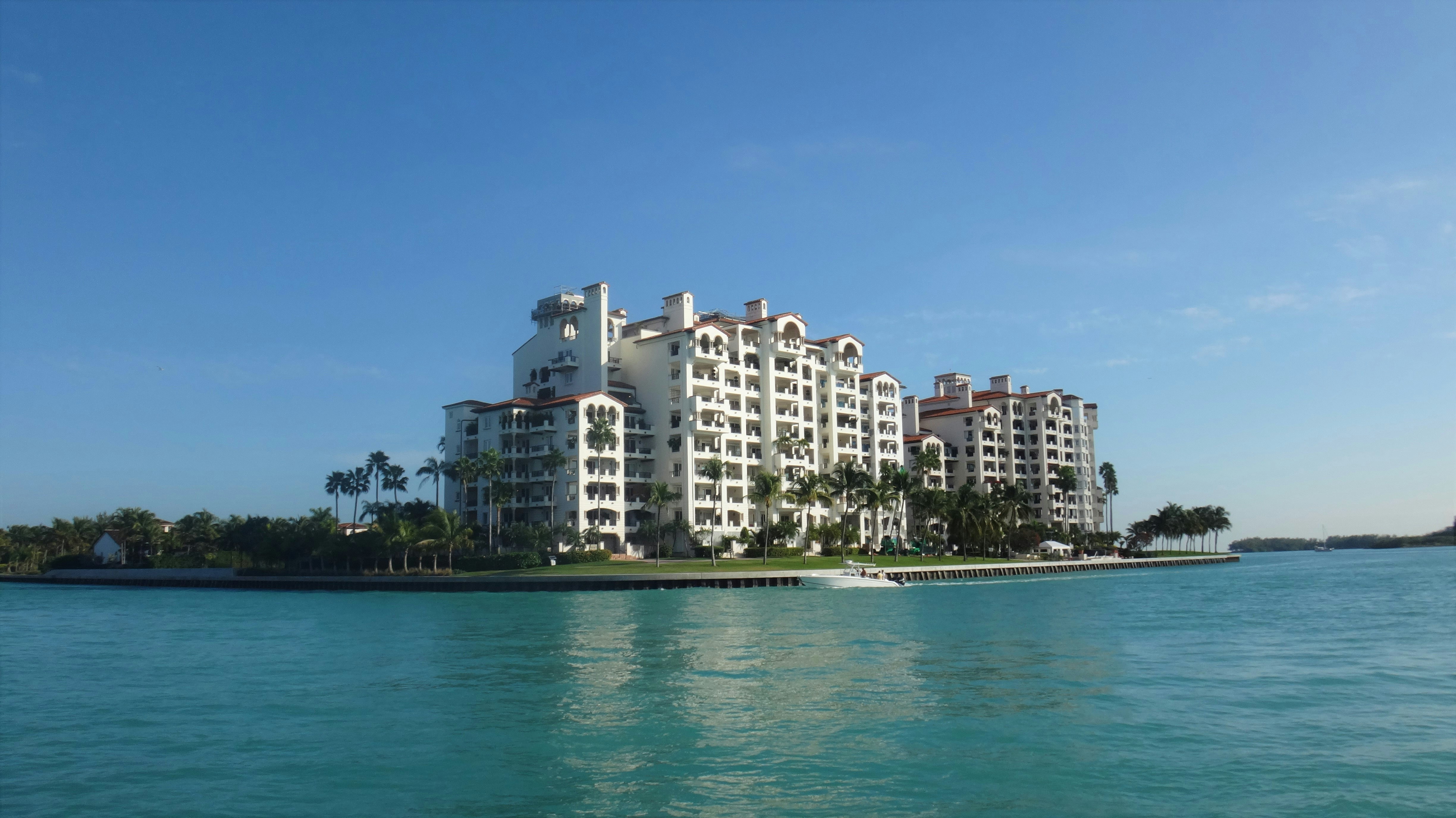
Luxury real estate is a term that encompasses properties that offer exceptional quality, prime locations, and a range of premium amenities. High-end properties are distinguished from standard offerings based on several key characteristics that cater to discerning buyers seeking comfort and exclusivity. Generally, luxury real estate includes well-designed spaces with high-end finishes, often featuring the latest architectural trends and modern technologies.
One of the defining elements of luxury properties is their location. Prime locations often have strong appeal due to proximity to major cities, breathtaking views, or access to pristine beaches and scenic landscapes. Properties situated in such areas tend to command higher prices, thereby categorizing them as luxury real estate. The allure of an enviable address can enhance both the lifestyle of homeowners and the investment value of these properties.
The types of luxury real estate vary widely, catering to different preferences and lifestyles. Spacious villas boast expansive living spaces and meticulous landscaping, providing ample room for both relaxation and entertainment. Penthouses, located atop prestigious buildings, offer exclusive urban living with stunning panoramic views and high-end amenities. Waterfront homes are particularly sought after for their serene settings and private access to lakes, rivers, or oceans, ideal for those who appreciate nature and outdoor activities.
Moreover, luxury properties often come equipped with a range of premium amenities, such as state-of-the-art kitchens, resort-style swimming pools, and home automation systems. These features not only enhance the living experience but also contribute to the overall value of the estate. Thus, understanding the characteristics of luxury real estate is essential for potential buyers and investors alike, as it encapsulates the essence of lavish living and the potential for lucrative investments.
The Appeal of Luxury Living
Luxury living is synonymous with exclusivity and prestige, conjuring images of opulent estates nestled in the most sought-after locations. The allure of luxury real estate extends beyond the mere possession of property; it encapsulates a lifestyle marked by sophistication, comfort, and an unwavering commitment to quality. Owning a luxury home often signifies social standing, acting as a tangible representation of success and achievement. Therefore, the appeal of luxury living is deeply interwoven with status and recognition among peers.
High-end properties are distinguished by their unique architectural features and exquisite design elements. These homes often showcase meticulous craftsmanship, incorporating high-quality materials and innovative technologies that elevate the living experience. From expansive open floor plans to grand entryways and bespoke interiors, each aspect of luxury homes is curated with precision. The aesthetic appeal is further enhanced by unique elements such as infinity pools, landscaped gardens, and panoramic views, all designed to captivate the senses and create an environment of tranquility and elegance.
Furthermore, luxury real estate caters to an elite standard of living, offering a suite of amenities that enhance both convenience and enjoyment. Private gyms, spas, and state-of-the-art home theaters are just a few examples of the lavish features that can be found in these properties. Additionally, many luxury homes are situated within exclusive communities that provide round-the-clock security and access to premium recreational facilities, ensuring that residents experience both privacy and an enhanced lifestyle. The overall experience of owning a luxury property is not merely about the physical space; it represents a holistic approach to living that prioritizes comfort, quality, and a sense of belonging to an elite community.
Investment Potential in Luxury Real Estate
Investing in luxury real estate presents a multitude of financial benefits that attract seasoned and novice investors alike. The allure of high-end properties often lies not only in upscale living but also in their significant potential for appreciating value. Market trends consistently indicate that luxury properties located in prestigious coastal cities and vibrant urban centers maintain robust demand, thus contributing to a stable investment landscape. Through savvy investment choices, individuals can reap substantial rewards from their luxury real estate portfolios.
Factors such as location, amenities, and surrounding infrastructure play a pivotal role in property appreciation. Demand in prestigious neighborhoods often outstrips supply, leading to increased value over time. Moreover, luxury real estate tends to be more resilient during economic fluctuations compared to other market segments. The affluent demographic that typically occupies these properties is less affected by financial downturns, which reinforces the strong investment potential in this sector. As a result, luxury real estate remains an appealing option for investors seeking both short-term gains and long-term stability.
Additionally, rental income possibilities further enhance the financial viability of investing in luxury properties. High-demand luxury rentals can command premium prices, providing an impressive return on investment. City centers, for instance, often attract transient affluent professionals seeking temporary housing solutions. As such, investors can not only enjoy the property appreciation but also benefit from consistent cash flow generated through rentals.
Ultimately, luxury real estate represents a compelling investment avenue. With its stability and potential for growth, investors looking for a safe haven for their capital would do well to consider this market. By leveraging market trends and understanding the dynamics of luxury properties, individuals can position themselves for financial success within this enticing sector.
Choosing the Right Luxury Property
Navigating the luxury real estate market requires a strategic approach to ensure potential buyers find a property that aligns with their needs and lifestyle. One of the foremost considerations should be the location. Properties situated in prime areas often hold their value better and provide greater appreciation over time. Buyers should assess not just the immediate surroundings but also the proximity to amenities such as upscale shopping, fine dining, cultural landmarks, and reputable schools. Furthermore, understanding the neighborhood demographics and the local real estate trends can significantly influence the decision-making process.
Beyond location, prospective buyers should consider the features of a luxury property. High-end homes often showcase unique architectural designs, premium building materials, and state-of-the-art technology. Key aspects such as outdoor spaces, swimming pools, home theaters, or smart home systems can enhance the living experience. Assessing the property’s condition and any required renovations is crucial, as these factors can impact future investment value.
Collaborating with experienced real estate agents who specialize in luxury properties cannot be overstated. These professionals offer invaluable insights into the luxury market, helping buyers identify properties that meet their requirements while also providing a network of contacts for legal and financial advice. Such expertise can be particularly beneficial in negotiating deals and understanding market intricacies.
Financing luxury real estate can be complex, with various options available to buyers. It is critical to explore traditional mortgages, but also consider alternative financing methods that might suit high-end acquisitions better. Moreover, maintenance of luxury properties requires dedicated attention to upkeep, including landscaping, security, and periodic renovations to preserve the property’s value. This multifaceted decision-making process is crucial for ensuring the chosen luxury property aligns with both personal desires and financial aspirations.


Join The Discussion