
Introduction to the Egyptian Rental Market
Rental market in Egypt trends have undergone substantial transformation in recent years, making this sector a prime area for investment opportunities. Rapid urbanization has led to a growing population in metropolitan areas like Cairo and Alexandria. This demographic shift has fueled increased demand for rental properties, as more individuals and families seek accessible housing amid rising urban living costs.
Rental markets in Egypt have benefited from recent economic reforms aimed at strengthening the real estate sector. Government policies, including tax incentives and streamlined registration processes, have created a more attractive environment for both domestic and foreign investors, encouraging investment in rental properties.
The growing middle class is also reshaping rental markets, as many young professionals and families prefer renting over buying homes. This trend is further reinforced by the influx of expatriates and foreign workers drawn to Egypt’s expanding business opportunities, contributing to higher demand and tighter rental markets.
Moreover, strategic urban development projects, such as New Cairo and the New Administrative Capital, are expanding the landscape of rental properties available. These projects promise modern amenities and infrastructure, catering to the evolving needs of residents and significantly enhancing the attractiveness of the Egyptian rental market.
In summary, the combination of rising urbanization, government support for the real estate sector, and shifting housing preferences positions Egypt as a compelling destination for rental property investment. These factors not only highlight the current trends but also indicate a robust future outlook for investors seeking to enter the Egyptian rental market.
Criteria for Selecting a Rental Market
Selecting the right rental markets is crucial for investors aiming to maximize returns in Egypt. Understanding the factors that determine the desirability and profitability of rental properties is essential for successful investment. Below, we explore the key criteria to consider when evaluating different rental markets.
Firstly, location desirability plays a pivotal role. Areas that are close to urban centers, transportation links, and amenities such as schools, hospitals, and shopping facilities tend to attract higher demand from tenants. Investors should assess the neighborhood’s overall appeal, taking into account safety, community services, and recreational opportunities.
Secondly, the potential for rental yield is a fundamental criterion. Rental yield is calculated by comparing the annual rental income to the property’s purchase price. A higher rental yield suggests that the location can generate significant returns relative to the property value. Investors should research rental prices in the area to ascertain the profitability of potential investments.
When evaluating rental markets, vacancy rates are an important consideration. Lower vacancy rates indicate a stronger rental market, suggesting properties lease quickly and consistently. Conversely, high vacancy rates may reflect oversupply or declining demand, which can limit an investor’s income potential.
Economic stability and growth forecasts are also critical for long-term success. Investors should assess the local economy, including employment rates and key industries that influence housing demand. Regions with robust economic activity generally offer more promising investment opportunities.
Finally, understanding historical and projected market growth helps investors make informed decisions. Analyzing trends in property values and rental rates provides insights into future performance. By thoroughly evaluating these factors, investors can prioritize their strategies and increase their chances of success in Egypt’s dynamic rental markets.
The Top 5 Rental Markets in Egypt
When considering rental property investment in Egypt, certain cities stand out due to their robust markets and lucrative opportunities. This analysis highlights the top five rental markets, focusing on Cairo, Alexandria, Hurghada, Sharm El Sheikh, and 6th of October City.
Cairo, the capital, remains a prime location for investors. The city has a diverse population and a steady influx of expatriates. Neighborhoods such as Zamalek and Maadi offer high rental yields, with an average yield of up to 8% annually. The growing demand for quality housing due to economic expansion has made Cairo an appealing choice for property investment.
Alexandria, known for its historic significance and coastline, presents unique opportunities. Areas like Smouha and Sidi Gaber are gaining popularity among renters, especially students and young professionals. The city boasts an average rental yield of approximately 7%, driven by its educational institutions and tourism.
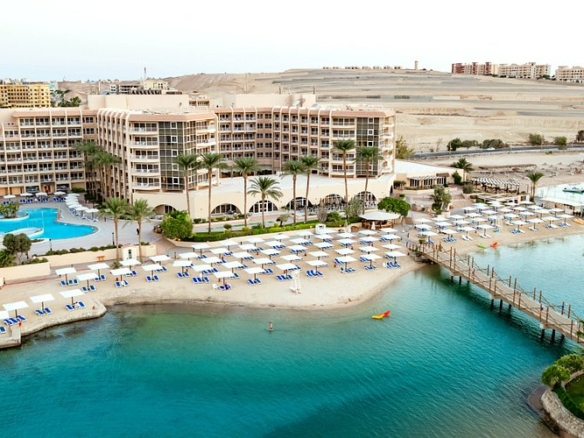
Further down the coast, Hurghada attracts both domestic and foreign tourists, making it an attractive market for short-term rentals. The average yield in this area hovers around 10%, as vacation properties are in high demand. Investment in Hurghada’s resort neighborhoods offers substantial return potential.
Sharm El Sheikh, another tourist hotspot, is renowned for its beautiful beaches and vibrant nightlife. Properties in Nabq Bay and Hadaba exhibit strong rental performance, with yields generally exceeding 8%. The continued influx of tourists supports a thriving rental market.
Finally, 6th of October City is experiencing rapid growth, propelled by new developments and a rising population seeking affordable housing options. With an average rental yield of 9%, investing here can yield profitable returns. Advantages include proximity to Cairo and developed infrastructure.
Future Outlook and Final Thoughts
Egypt’s rental markets are showing strong potential for growth due to ongoing economic and demographic changes. A young and expanding population, combined with rapid urbanization, is driving sustained demand for rental properties. Major infrastructural projects, including new transportation networks and urban regeneration initiatives, are increasing the appeal of several cities as attractive rental markets. These developments create a dynamic environment for real estate investment in Egypt.
Investors in Egypt’s rental markets should remain vigilant about the country’s evolving economic landscape. Fluctuations influenced by both local and global factors can impact rental prices and occupancy rates. Successful investment depends on anticipating these changes. Regularly reviewing market reports and consulting with local real estate professionals provides valuable insights into ongoing trends. Understanding demographic shifts, including migration toward urban centers, is also crucial, as these patterns often drive increased demand in the rental markets.
Furthermore, potential investors should consider alignment with government plans for urban development. The Egyptian government has launched numerous initiatives aimed at modernizing urban areas and promoting sustainable living environments. Investing in areas earmarked for future development can yield substantial returns as property values increase in response to new amenities and infrastructural improvements.
Moreover, leveraging technology to monitor market dynamics can enhance decision-making. Utilizing property management platforms and analytics tools can assist investors in tracking rental trends, tenant preferences, and regional performance metrics.
Ultimately, thorough market research and a well-defined strategic plan are essential in navigating the Egyptian rental market. By remaining informed and responsive to changes, investors can capitalize on the myriad opportunities available and secure profitable rental investments in Egypt.
Maximize Your Rental Property Returns
Learn how to leverage Egypt’s growing rental market for smart and profitable investments.



Join The Discussion