

Overview of Egypt’s Current Real Estate Market
The real estate market in Egypt has been experiencing significant transformations as it approaches 2025. Currently, property prices have shown a steady upward trajectory, largely influenced by a growing population and an expanding middle class, which has heightened demand for new residential units. According to recent data, the average property price in key urban areas, including Cairo and Alexandria, has increased by approximately 10-15% annually over the past few years. This trend is expected to continue as more individuals seek homeownership amid rising standards of living.
In the residential segment, luxury apartments and gated community developments have become particularly popular among younger buyers and expatriates. The rental yield in major cities is also noteworthy, with an approximate range of 8-12%, making real estate an attractive investment option. This growing interest in leasing residential spaces reflects the ongoing urbanization and economic reforms aimed at stimulating growth within the sector. Moreover, areas undergoing infrastructural development, such as the new administrative capital, are witnessing heightened property demand, with numerous developers investing heavily in these regions.
On the commercial front, the Egyptian real estate landscape is witnessing a surge in demand for office spaces, retail outlets, and warehouses due to the burgeoning economy and a shift towards e-commerce and logistics. Industrial properties, in particular, have garnered attention as manufacturers seek to establish operations closer to key markets. The expansion of the Suez Canal Economic Zone has further bolstered investor confidence, presenting opportunities for growth in the commercial and industrial sectors.
The effects of past economic developments, such as government initiatives aimed at enhancing investor confidence and regulatory frameworks, continue to shape the real estate market landscape. As Egypt moves toward 2025, the interplay of these factors is expected to set the stage for future trends within the real estate domain, paving the way for sustained growth and diversification.
Key Economic Indicators Influencing Real Estate
As Egypt approaches 2025, several key economic indicators are anticipated to significantly influence its real estate market. A primary factor is the projected growth in the country’s Gross Domestic Product (GDP), which is forecasted to reflect recovery and expansion. An increase in GDP generally correlates with enhanced consumer confidence and greater purchasing power, both of which are vital for driving demand in the real estate sector.
Inflation rates also play a crucial role in shaping the landscape of real estate. If inflation remains controlled, it will lead to stable prices, encouraging investments in property development. On the contrary, unchecked inflation can lead to a rise in construction costs and rents, potentially pricing out prospective buyers and renters. Stakeholders in the real estate market should closely monitor inflation trends as they can directly impact investment returns and affordability.
The interest rates set by the Central Bank of Egypt are another pivotal aspect affecting real estate. Lower interest rates can facilitate access to financing, making mortgages more affordable for individuals and investors alike. Conversely, rising interest rates may deter potential buyers, limiting market activity. These financial conditions are often indicative of broader economic health and influence real estate decisions.
Furthermore, government policies designed to stimulate the economy can have a lasting impact on the real estate sector. Initiatives that promote infrastructure development and foreign investment can enhance the appeal of certain regions, leading to increases in property demand and values. In addition, the remittances sent back home by Egyptians working abroad contribute significantly to the local economy, reinforcing consumer spending that benefits the real estate market.
In essence, the interplay of these economic indicators—GDP growth, inflation, interest rates, and governmental measures—will shape the dynamics of the real estate landscape in Egypt as it moves towards 2025. Understanding these factors is crucial for investors, developers, and policymakers aiming to navigate this evolving market effectively.
Future Trends and Opportunities in Real Estate
The real estate market in Egypt is poised for significant transformation through 2025, driven by a variety of factors that are reshaping urban landscapes and investment strategies. One of the most prominent trends is the rise of smart cities. These cities utilize advanced technologies to enhance the quality of life for residents, improve urban planning, and create more efficient public services. As the Egyptian government invests heavily in infrastructure development, the integration of smart technologies is expected to attract both local and foreign investments.
Another critical trend shaping the future of Egypt’s real estate market is sustainable development. There is a heightened awareness of environmental issues, compelling developers to adopt eco-friendly practices and materials. The demand for sustainable homes and commercial properties is rising, as more buyers and tenants seek to reduce their carbon footprint. This shift towards sustainability is expected to influence not only residential projects but also commercial and logistics-related developments, aligning with global environmental standards.
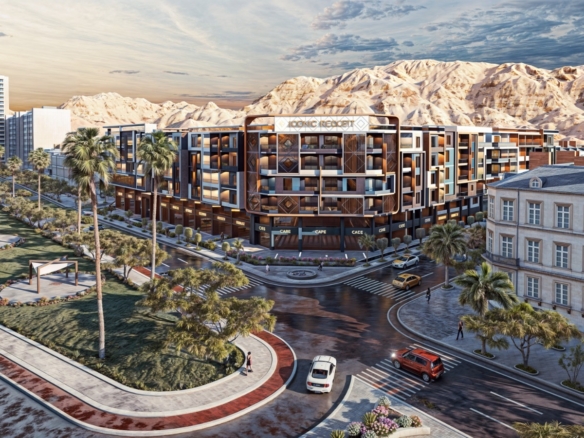
The concept of integrated living spaces is also gaining traction. With urbanization continuing to grow, mixed-use developments that combine residential, commercial, and recreational facilities are becoming increasingly popular. Such spaces offer convenience and foster community engagement, making them attractive to various demographics, particularly millennials. This trend is expected to create ample investment opportunities for developers looking to capitalize on changing consumer preferences.
Emerging investment hotspots, particularly in areas related to tourism and logistics, present lucrative prospects for investors. Egypt’s strategic location enhances its potential as a logistics hub for goods travelling between Africa, Europe, and the Middle East. As the tourism sector rebounds post-pandemic, the demand for accommodation and tourism-related properties is anticipated to rise significantly.
While the real estate sector shows promise, potential investors must be cognizant of risks such as fluctuating market conditions and regulatory challenges. Engaging with local partners and conducting comprehensive market research will be integral to navigating the evolving landscape and seizing opportunities in Egypt’s real estate market through 2025.
Political and Regulatory Landscape Impacting Real Estate
As Egypt approaches 2025, the political and regulatory landscape is poised to significantly influence the real estate sector. In recent years, the Egyptian government has initiated a series of reforms aimed at fostering a more conducive environment for property investments and ownership. These reforms include streamlining bureaucratic processes, enhancing transparency in real estate transactions, and implementing laws that safeguard the rights of property investors. Such initiatives are poised to attract both domestic and foreign investments, potentially transforming the real estate market.
Urban development policies are also expected to play a crucial role in shaping the real estate landscape. The government has been focusing on ambitious urban projects designed to modernize existing infrastructure and accommodate a growing population. The establishment of new urban areas, such as the New Administrative Capital, is indicative of a broader strategy to decentralize urban development and reduce congestion in established cities like Cairo. This shift not only enhances real estate opportunities but also encourages sustainable living environments.
Legal frameworks affecting property ownership are another focal point of concern for investors. Proposed changes in property laws may address issues related to land tenure, zoning regulations, and taxation. By fostering a clearer understanding of property rights and responsibilities, these reforms could mitigate risks associated with real estate investments in Egypt. Additionally, local municipalities are likely to play an integral role in enforcing these regulations and ensuring that development projects align with national urban policies.
Finally, international relations will undeniably influence the real estate market, particularly concerning foreign investment levels and partnerships. Egypt’s diplomatic strategies and economic agreements with other countries can either bolster real estate investments or pose challenges depending on the political climate. In conclusion, stakeholders in the real estate sector must remain vigilant and adaptive to these evolving political and regulatory dynamics to navigate the landscape effectively.
“Live where others vacation – explore our resort-style units.”


Join The Discussion