
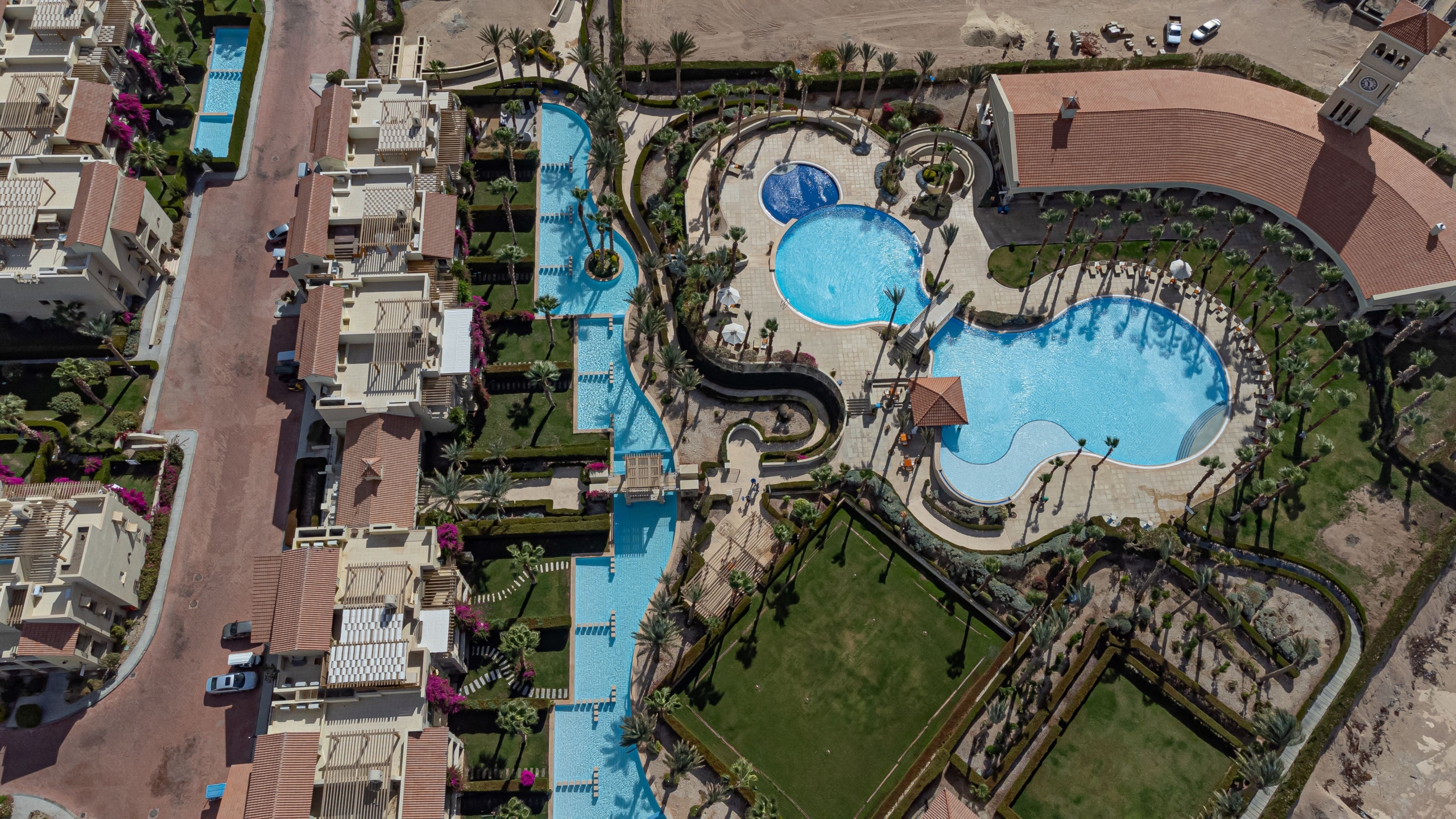
Overview of Real estate in Egypt after economic changes
Real estate in Egypt after economic changes has been significantly influenced by the country’s evolving economic landscape over recent years. The Egyptian government has implemented a series of policies aimed at attracting foreign investment and stimulating growth . In particular, the government has enacted reforms that include adjustments in monetary policies and the restructuring of public services, which have had profound effects on various sectors, especially the real estate market.
One of the most notable alterations in this dynamic was the flotation of the Egyptian pound, which resulted in substantial currency fluctuations. This change led to the devaluation of the currency against major currencies, making imports more expensive while simultaneously increasing the competitiveness of Egyptian exports. Such shifts in currency values have uniquely positioned Egypt as a more appealing destination for foreign investors seeking avenues for lucrative ventures, subsequently contributing to growth in local industries, including real estate.
Moreover, the country has witnessed troubling inflation rates that have posed challenges for both consumers and investors. The rising cost of living, primarily due to inflation, has directly influenced purchasing power, thus impacting demand within the real estate market. As property prices fluctuate, prospective buyers and investors are navigating a landscape characterized by uncertainty, yet potential opportunity.
To address these challenges, the government has introduced initiatives designed to encourage construction and urban development, particularly through investment incentives and public-private partnerships. These strategies aim to stabilize the real estate market while fostering a more conducive environment for investment. Consequently, understanding the implications of these economic changes is crucial for stakeholders in the property sector, as they directly influence market dynamics and investment decisions.
Impact on Residential Real Estate
The real estate in Egypt after economic changes has undergone significant transformations following recent economic reforms. One of the most noticeable trends in real estate in Egypt after economic changes is the fluctuation in property prices, which have experienced both increases and corrections depending on location, property type, and market demand. The overall effect of inflation and currency fluctuations has created a complex environment for potential homebuyers in the Egypt real estate market after economic changes. As a result, increased price sensitivity among buyers has strongly influenced purchasing decisions across different segments.
In terms of demand for residential units, the changing economic landscape in real estate in Egypt after economic changes has reshaped buyer demographics, making certain groups more dominant in the market. For example, younger buyers have become a key force, driven by a preference for modern amenities and affordable, sustainable housing options. This shift reflects a growing trend toward urban living, as more people move to cities for employment opportunities and lifestyle improvements within the real estate in Egypt after economic changes market.
The financing landscape for homebuyers has also evolved significantly. Economic reforms aimed at stabilizing the economy have introduced new financing products and incentives for first-time buyers in the Egypt real estate market after economic changes. Banks have adjusted their strategies by offering more flexible repayment plans and lower down payment requirements. Additionally, government initiatives supporting home ownership have made several areas more attractive for residential investment, further strengthening real estate in Egypt after economic changes. Overall, these developments are shaping the future of the sector, creating both opportunities and challenges for investors and homeowners.
The commercial real estate sector in Egypt has been experiencing significant transformation in the wake of various economic changes. These shifts have presented both opportunities and challenges for investors, developers, and businesses alike. One notable trend is the growth of office spaces, driven by the increasing presence of international companies and a rising demand for flexible working environments. New business hubs in cities like Cairo and Alexandria have emerged, catering to both local startups and multinational corporations, indicating a robust interest in the Egyptian market.
In addition to office development, the retail sector has seen a remarkable expansion, with numerous shopping centers and retail parks opening across major urban areas. These retail developments not only provide more shopping options for consumers but also contribute to the creation of job opportunities within the region. The influx of international brands into Egypt has elevated the standard of retail offerings, attracting diverse consumer demographics and enhancing overall market competitiveness.
Furthermore, industrial parks are gaining traction as part of the government’s push to boost the manufacturing sector and create an export-oriented economy. These parks facilitate logistics and storage solutions for businesses, fostering an environment conducive to industrial growth. As Egypt continues to position itself as a logistical hub between Africa, Europe, and the Middle East, the demand for such developments is expected to rise.
Key commercial projects have also emerged as indicators of this evolving landscape. Noteworthy projects include the New Administrative Capital’s commercial district and the revitalization of older urban areas, which are both designed to keep pace with the changing economic conditions. These developments symbolize a commitment to modernization and sustainable growth, reflecting the potential of the commercial real estate market in Egypt amidst these economic changes.
Future Predictions and Investment Opportunities
The real estate in Egypt after economic changes market has undergone substantial transformation in recent years, driven by both economic and political reforms. Looking forward, several trends in real estate in Egypt after economic changes suggest promising growth areas and strong investment opportunities for both local and foreign investors.
As the economy continues to stabilize, demand for residential properties within the real estate in Egypt after economic changes sector is expected to increase, particularly in major urban centers such as Cairo and Alexandria. The rise of a young population combined with rapid urbanization means that future housing developments in real estate in Egypt after economic changes will likely focus on affordable and mid-range housing, offering strong prospects for long-term investors.
In addition to residential properties, commercial real estate in Egypt after economic changes appears to be on an upward trajectory. Government initiatives aimed at improving the business environment, especially through special economic zones, are expanding opportunities within the real estate in Egypt after economic changes market. Investors can benefit from the growing demand for office spaces and retail developments as both local businesses and multinational corporations seek to establish a presence in Egypt.
Another area ripe for investment is the tourism sector, which plays a pivotal role in Egypt’s economy. The government is working to improve infrastructure and promote tourism, potentially increasing the demand for hotels and resort properties. Engaging in the development of luxury properties in coastal areas like the Red Sea and Mediterranean can yield significant returns on investment, especially as Egypt aims to attract a larger number of tourists in the coming years.
Finally, anticipated regulatory changes may further enhance investment prospects in the Egyptian real estate market. The government has expressed intentions to streamline property ownership laws and improve transparency in transactions, which could alleviate concerns for foreign investors. With these evolving dynamics, the long-term outlook for the property market in Egypt remains optimistic, as both local and international investors navigate these emerging opportunities.
Start Your Property Investment in Egypt After Economic Changes
Get the Latest Property Prices & Investment Insights

Join The Discussion