
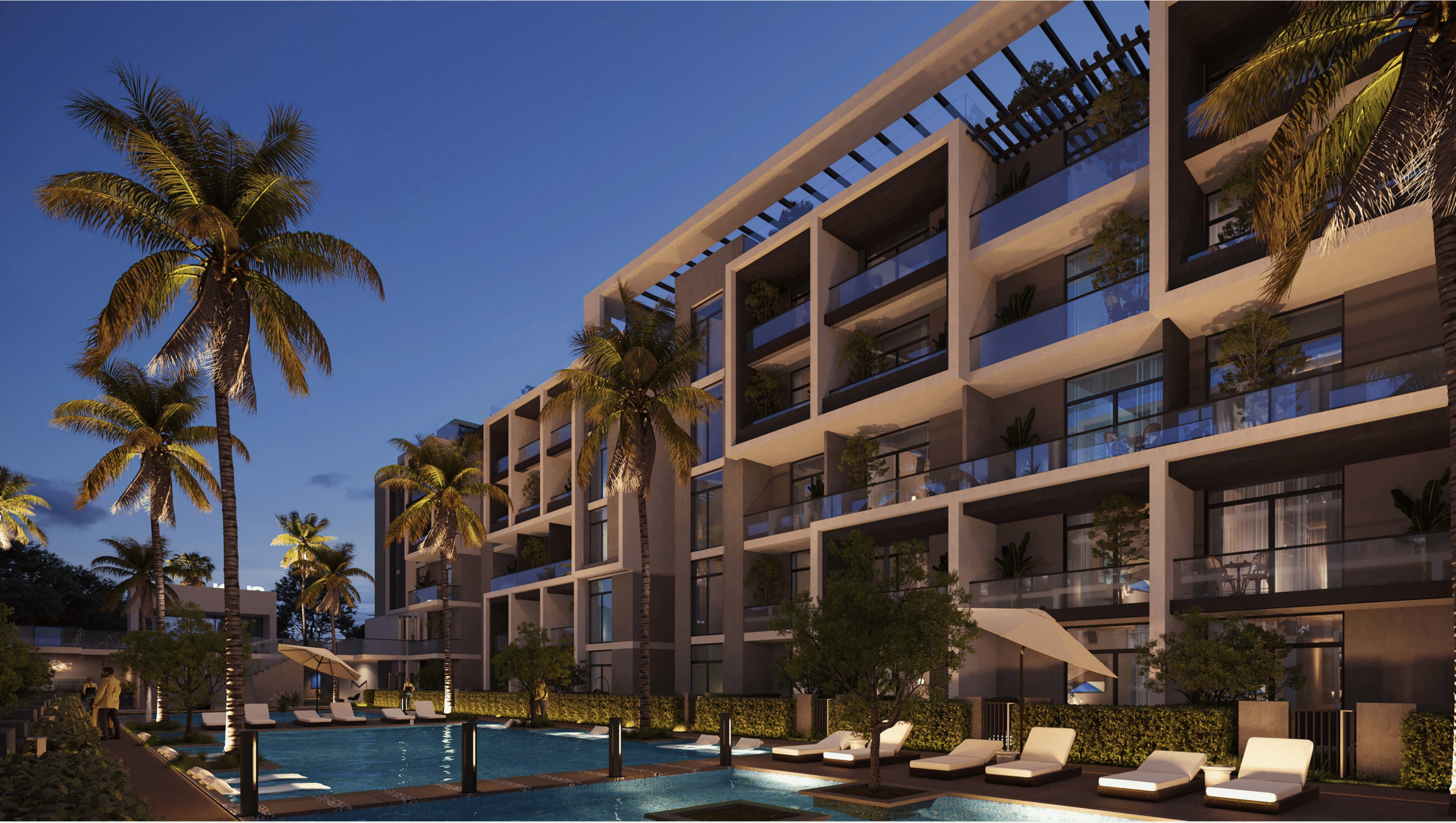
Real Estate Developments in Egypt
have witnessed substantial evolution, particularly as we approach 2025. Several factors are influencing the current landscape, making it essential for potential investors to understand these dynamics. Recent trends indicate a significant uptick in demand for residential, commercial, and mixed-use properties, catalyzed by urbanization and population growth. As of 2023, Egypt’s population exceeded 100 million, prompting an increased demand for housing and infrastructure.
Urbanization rates are climbing steadily, with an estimated 43% of the population now residing in urban centers, according to recent census data. This shift is fostering robust development in metropolitan areas such as Cairo and Alexandria. Notable government initiatives, including the New Urban Communities Authority’s plans for creating sustainable cities, aim to accommodate this urban influx. Projects like the New Administrative Capital demonstrate the government’s commitment to enhancing living conditions and attracting foreign investments by providing modern housing and amenities.
Economic factors also play a crucial role in the growth potential of the market. The Egyptian government has implemented key reforms to stabilize the economy and encourage investments, especially in the real estate sector. Tax incentives and streamlined regulatory processes are attracting local and international investors alike. Furthermore, the emphasis on infrastructure projects, such as new highways and public transit systems, facilitates accessibility, further stimulating the property market.
Egypt has positioned itself as an attractive investment destination mainly due to its strategic geographic location, vibrant culture, and supportive government policies. As a result, there is a growing interest among investors looking to capitalize on the opportunities presented by real estate developments in Egypt. Prospective stakeholders can benefit from entering the market at this pivotal moment, as forecasts predict sustained growth well into the future.
Key Real Estate Developments to Watch in Egypt
Real Estate Developments in Egypt are becoming a focal point for investors as the country progresses towards a more robust economy, particularly in 2025. Several key developments are drawing attention due to their strategic locations, innovative designs, and potential for significant returns. Notable among these are residential complexes, commercial centers, and mixed-use developments that cater to diverse demographics.
New Administrative Capital: A Hub for Real Estate Developments in Egypt
In Cairo, the New Administrative Capital is poised to be the centerpiece of future real estate developments in Egypt. This ambitious project aims to alleviate congestion in the current capital while providing modern living and business spaces. Commercial centers in this new area will host international corporations and local enterprises alike, promoting economic growth and job creation. The project features advanced infrastructure, with smart city technologies integrated into its urban planning, making it attractive for residents and businesses.
Alexandria’s Alburouj Project: Residential Opportunities
In Alexandria, developments such as the Alburouj project are gaining traction as prime residential options. Strategically located and designed to accommodate families seeking spacious housing with essential amenities, this development attracts young professionals and expanding families. Schools, parks, and shopping centers in the area ensure a steady demand for properties, highlighting the value of real estate developments in Egypt outside Cairo.
Mixed-Use Developments Driving Urban Growth
Mixed-use developments, including projects like City Stars in Cairo, are becoming increasingly popular in Egypt’s real estate market. Combining residential, commercial, and entertainment spaces, these projects attract youthful demographics seeking urban living experiences while remaining connected to essential services. Such developments not only fulfill housing needs but also bolster local economies through integrated retail and leisure facilities.
Key Players Shaping Real Estate Developments in Egypt
Major construction firms and investors, often leveraging foreign partnerships, are crucial to the sustained growth of real estate developments in Egypt. Their continued involvement ensures projects are executed proficiently and meet the evolving needs of various demographics. Enhancements and expansions in regions like Cairo and Alexandria signify promising opportunities for those looking to invest in Egypt’s dynamic real estate landscape.
Investment Opportunities and Risks
In the realm of real estate development in Egypt, the landscape is laden with various investment opportunities that warrant consideration for potential investors looking toward 2025. The highlighted developments provide a spectrum of choices, showcasing high demand largely driven by urbanization trends and a burgeoning middle class seeking affordable housing options. Prominent developments often promise attractive returns on investment (ROI), with many offering rental yields that can reach up to 10%, contingent on location and amenities. Additionally, the government’s ongoing infrastructure projects are expected to bolster property values, creating a fertile ground for capital appreciation.
However, investment in real estate is not devoid of risks. Market sustainability remains a primary concern, as fluctuations in available housing stock and shifting demand patterns can lead to volatility in property values. Investors must also be cognizant of external factors that could impede progress, including economic stability and governmental policies. Recent efforts to enhance regulatory frameworks aim to encourage foreign investors, yet changes in these regulations can directly influence market dynamics and investor confidence.
Moreover, global market trends, such as inflation and interest rates, can have significant impacts on the Egyptian property market. Investors should closely monitor these trends, as associated costs could affect both development timelines and profitability. Additionally, local economic conditions, including employment rates and consumer purchasing power, play a vital role in determining demand for residential and commercial properties.
Ultimately, a balanced understanding of the potential risks versus the benefits of investing in Egypt’s real estate market will enable investors to make informed decisions. A properly conducted risk assessment, alongside an exploration of the myriad investment opportunities, is crucial in navigating the complexities of property investment in this emerging market.
Expert Insights and Future Projections
The Egyptian real estate market is poised for significant transformation as we approach 2025, and various industry experts have shared their insights on upcoming trends and opportunities. Real estate analysts predict a continued influx of domestic and foreign investment fueled by the government’s commitment to enhancing infrastructure and urban development initiatives. Dr. Ahmed Sharif, a renowned property economist, highlights that “the Egyptian real estate market is experiencing a renaissance, marked by government-sponsored projects aimed at revitalizing urban areas and boosting economic growth.” This focus on enhancing urban environments is likely to create more appealing investment options, driving demand across various segments, including residential, commercial, and mixed-use developments.
In the realm of technology, real estate developers are increasingly adopting innovative solutions such as smart home technologies and digital platforms for property management. As stated by Ms. Hala Mahmoud, a leading developer, “Investors are keen on developments that incorporate technology, as it enhances livability and can reduce management costs.” This integration of technology not only appeals to a more tech-savvy buyer demographic but also meets the rising demand for efficient, sustainable living environments.
Moreover, international trends towards sustainability and environmentally friendly projects are influencing local investments. The emphasis on smart cities—urban areas that utilize technology to improve performance, reduce costs, and enhance the lifestyle of residents—will likely become a focal point in Egypt. According to Mr. Ibrahim Saleh, an investment advisor, “The global shift towards sustainable development is reshaping the Egyptian real estate landscape, encouraging developers to adopt eco-friendly practices that resonate with modern investors.” Consequently, as global standards for development evolve, significant changes in the Egyptian property sector will unfold, offering both challenges and remarkable opportunities for investors in the coming years.



Join The Discussion