
Introduction to Hurghada
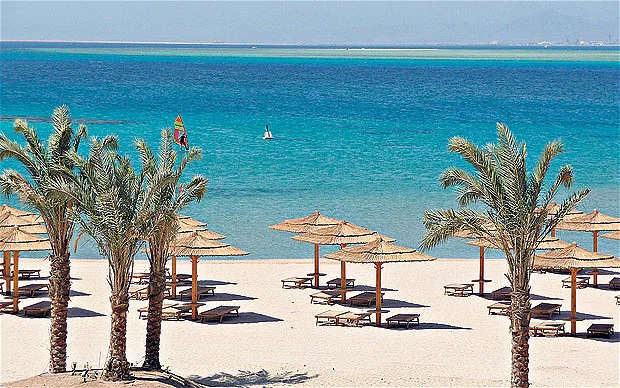
Hurghada, a prominent resort town located along the Red Sea, boasts a strategic position in Egypt’s eastern region. Known for its stunning beaches and vibrant coral reefs, it serves as a significant tourist destination, attracting millions of visitors annually who seek adventure and relaxation. The town’s development began in the 1980s, transforming from a small fishing village into a bustling urban center offering a mix of activities, entertainment, and leisure options. This transformation has not only enhanced its status as a tourist hotspot but has also made it an appealing location for those looking to settle down.
As a place to live, Hurghada offers a unique blend of Egyptian culture and modern amenities. Its lifestyle is marked by a warm climate, friendly locals, and a rich tapestry of traditions that reflect the vibrant history of the region. The local culture is heavily influenced by Islamic traditions, yet it embraces a global perspective due to the influx of expatriates and tourists. This cultural diversity fosters a welcoming environment, making it an attractive destination for foreigners and a charming place for locals.
Various communities exist within Hurghada, each with its own character and appeal. Expats are drawn to well-established areas that offer modern housing, amenities, and social activities aimed at international residents. There is also a marked presence of vibrant local life, where traditional markets and cultural events allow for deeper engagement with Egyptian society. Additionally, the proximity to the breathtaking Red Sea invites outdoor enthusiasts to explore water sports, such as diving and snorkeling, enhancing the overall quality of life. This captivating mix of culture, lifestyle, and community makes Hurghada a notable choice for both locals and expatriates seeking a new home in a picturesque setting.
Housing and Accommodation Costs
When considering a move to Hurghada, understanding housing and accommodation costs is essential for budgeting effectively. The city presents an array of housing options ranging from affordable apartments to luxurious villas, accommodating individuals with varying budgets and preferences. Generally, renting an apartment in Hurghada can cost between $200 to $600 per month, depending on the neighborhood, size, and amenities. In more upscale areas, like El Ahyaa or Sakkala, prices might be at the higher end, while outskirts or less popular regions could offer lower rental costs.
For those looking to purchase property, asking prices in Hurghada can vary significantly. An apartment might range from $30,000 to $100,000, depending on location and size, while villas can cost between $100,000 to $300,000 or more. Popular areas for buying property include El Gouna, which is renowned for its well-planned communities and water vistas, attracting many expatriates and tourists alike. It is advisable for prospective buyers to consult with local real estate agents to explore the best properties available while considering their specific needs.
Beyond the primary housing costs, residents should also factor in additional expenses such as utility bills, which may include electricity, water, and internet services. On average, monthly utility costs in Hurghada can range from $50 to $150, contingent upon energy consumption and lifestyle. Maintenance fees, particularly for properties in managed complexes, can also apply and typically range from $20 to $50 monthly. Overall, understanding the various housing options and their associated costs is crucial for anyone considering living in Hurghada, as this knowledge will facilitate informed decisions and financial planning.
Monthly Living Expenses
Living in Hurghada offers a unique blend of affordability and lifestyle preferences that individuals or families must consider when budgeting their monthly expenses. Understanding these common expenses is crucial for effective financial planning in this vibrant coastal city.
One of the primary categories of monthly living expenses is food. Residents can expect to pay varying amounts for groceries, with local markets generally offering prices that are lower than those found in supermarkets. Buying seasonal fruits and vegetables, for instance, significantly reduces costs. Dining out is also relatively inexpensive, particularly at local eateries where traditional Egyptian cuisine can be savored for a fraction of the price of imported goods.
Transportation in Hurghada is typically affordable, with options ranging from public buses to taxis. Many residents find that using public transport not only lowers their monthly expenses but also provides a deeper insight into local culture. Moreover, the cost of fuel is generally lower than in many Western countries, making car ownership a feasible option for those who prefer personal transport.
Healthcare is another essential aspect of living expenses. Hurghada offers quality healthcare services at reasonable costs compared to international standards. Many expatriates find it wise to invest in local health insurance, as it can significantly alleviate out-of-pocket expenses for medical care and consultations.
Furthermore, entertainment costs can vary widely. While local attractions such as beaches are free or low-cost, other activities, such as dining at high-end restaurants or participating in excursions, can add to monthly expenses. It is advisable to budget for both low-cost and splurge opportunities to fully enjoy the life in Hurghada.
In terms of budgeting effectively, residents often find that tracking monthly living expenses helps manage their finances better. Utilizing apps or spreadsheets to document spending habits offers insights into areas where costs can be reduced. By being mindful of the differences between the cost of local versus imported goods, individuals and families can make informed choices that suit their financial landscape.
Quality of Life and Additional Considerations
Living in Hurghada offers a unique blend of opportunities and challenges that influence the overall quality of life for both residents and expatriates. One of the foremost factors to consider is safety. Hurghada is generally viewed as a safe destination, with lower crime rates compared to many urban areas globally. Moreover, the presence of a notable tourist population means that the local authorities maintain a strong security presence, which further enhances the sense of safety. Residents are encouraged, however, to remain vigilant and adhere to local customs and regulations to foster harmonious relationships within the community.
Access to amenities such as schools and hospitals significantly contributes to residents’ living experience. Hurghada has seen an increase in international schools catering to expatriate communities, providing quality education with varied curricula. Additionally, the healthcare facilities in Hurghada have improved, with several private hospitals offering adequate medical care. However, it is advisable for residents to understand the level of healthcare available and consider proximity to reputable medical facilities when choosing a location within the city.
Recreational activities are abundant in Hurghada, given its prime coastal location. Residents can indulge in a variety of water sports, or simply relax on the beautiful beaches. The city also has vibrant options for dining and entertainment, with establishments ranging from local eateries to international restaurants reflecting the diverse resident base. Nonetheless, living in a tourist-heavy area often means fluctuating prices and crowded spaces during peak seasons. Understanding the cyclical nature of tourism can help residents adapt and enjoy their surroundings better. Balancing the benefits of an active tourist scene with the potential drawbacks is crucial for anyone considering making Hurghada their home.


Join The Discussion