
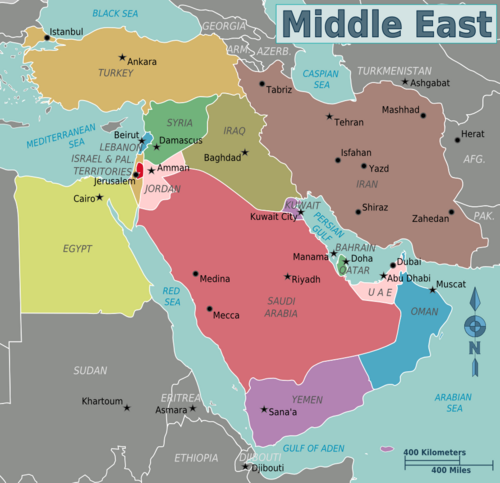
Understanding the Iran-Arab Conflict: Historical Context and Current Events
Iran-Arab conflict has deep historical roots, shaped by centuries of political, religious, and cultural differences. A pivotal turning point in Iranian-Arab relations occurred in 1979 with the Iranian Revolution, which transformed Iran from a Western-aligned monarchy into an Islamic Republic. This event significantly altered regional power dynamics and fueled sectarian tensions, as the new government positioned itself as a leader of the Shia Muslim community—often in opposition to predominantly Sunni Arab nations—further intensifying the Iran-Arab conflict across the Middle East.
The Iran-Arab conflict has shaped Middle Eastern politics for decades, influencing regional alliances and security dynamics. Throughout the 1980s, the Iran-Iraq War intensified these tensions, affecting both political stability and economic conditions in neighboring Arab countries. Iran’s pursuit of influence through proxy groups across the Arab world heightened concerns among nations such as Saudi Arabia, which perceived Iran’s ambitions as a direct threat to its leadership in the Sunni Muslim community.
In recent years, the Iran-Arab conflict has evolved through events like the Syrian Civil War, where Iran’s support for the Assad regime conflicted with Arab nations’ backing of opposition forces. The emergence of the Islamic State during the U.S. political withdrawal added another layer of complexity to regional relationships. Although the 2015 nuclear deal created a temporary easing of tensions, the Iran-Arab conflict continues to influence diplomatic and economic decisions in the Middle East.
Today, the Iran-Arab conflict presents itself in multiple forms, from direct confrontations to subtler geopolitical maneuvering. Ongoing tensions shape the overall stability of the Middle East, with the potential to impact various sectors, including real estate. Understanding the multifaceted nature of this conflict is essential for analyzing its ramifications on regional markets and investments.
Real Estate Market Dynamics in the Middle East: An Overview
The Iran-Arab conflict continues to shape the real estate market in the Middle East, adding a layer of geopolitical risk that investors must consider. The region exhibits a unique blend of complexity and dynamism, influenced by economic conditions, demographic trends, and ongoing political tensions. As one of the world’s most diverse regions, the Middle East contains real estate markets with varying levels of development and investment potential.
Economic conditions remain a critical driver of real estate prices. Oil wealth has historically fueled large-scale investments, particularly in countries like Saudi Arabia, the UAE, and Kuwait. However, fluctuating oil prices combined with the effects of the Iran-Arab conflict can lead to economic instability, causing surges in property development during high-price periods or slowdowns when markets contract. Moreover, the region’s shift toward more diversified economies—including tourism, finance, and technology—creates new opportunities for investors, though these are often moderated by ongoing geopolitical uncertainties.
Population Growth, Urbanization, and the Iran–Arab Conflict’s Impact on Real Estate
The Iran-Arab conflict continues to influence real estate demand across the Middle East, interacting with factors like population growth and urbanization. Rapid expansion of urban centers such as Doha, Riyadh, and Dubai has led to an increased need for residential and commercial property, while the ongoing Iran-Arab conflict adds a layer of geopolitical risk that can affect investor confidence and market stability.
Political tensions stemming from the Iran-Arab conflict impact not only the directly involved countries but also neighboring nations. Instability in the region can heighten risk perceptions, reducing foreign investment and influencing property prices. As a result, real estate markets must balance demographic growth with the uncertainties created by the Iran-Arab conflict.
Understanding these intertwined dynamics is critical for investors and stakeholders navigating Middle Eastern real estate. Regional conflicts, particularly the Iran-Arab conflict, continue to shape market conditions, price fluctuations, and long-term investment strategies, highlighting the importance of monitoring both local and regional developments.
Correlation Between Conflict and Real Estate Prices: Case Studies
How the Iran–Arab Conflict Shapes Real Estate Markets in Saudi Arabia, Iraq, and Lebanon
The Iran-Arab conflict has had profound implications for real estate markets across the Middle East, especially in countries like Saudi Arabia, Iraq, and Lebanon. Understanding this conflict is essential for investors, as ongoing geopolitical tensions directly influence property prices and market stability.
In Saudi Arabia, the effects of the Iran-Arab conflict are visible in fluctuations in real estate values. Periods of heightened tension, including military confrontations or diplomatic crises, often coincide with market slowdowns. For example, following the Saudi-led intervention in Yemen, property prices experienced a minor dip as investors adopted a more cautious approach.
Conversely, during periods of relative calm, Saudi Arabia has witnessed a resurgence in demand, particularly in urban hubs like Riyadh and Jeddah. Initiatives such as Vision 2030, aimed at economic diversification, have helped stabilize the housing market and offset some of the volatility caused by the Iran-Arab conflict, demonstrating that long-term government policies can mitigate the impact of regional tensions on real estate.
Iraq serves as another illustrative case where the real estate landscape has fluctuated dramatically in response to conflict. The rise and fall of property values align closely with periods of instability, notably after the 2003 invasion. However, in recent years, as security conditions gradually improved, property prices in cities such as Erbil and Sulaymaniyah demonstrated a resurgence, reflecting a growing interest from both local and foreign investors keen to capitalize on rebuilding efforts.
Lebanon’s real estate market has also felt the effects of regional tensions. The multifaceted crises stemming from the ongoing conflicts have led to a unique market dynamic where property values have been deeply affected by the prevailing security situation. During relative stability, areas such as Beirut have seen increased investment and soaring property prices, but this can quickly reverse as geopolitical tensions escalate, causing potential buyers to retreat.
These case studies illustrate the interconnectedness between the Iran-Arab conflict and real estate prices across various Middle Eastern nations. While conflict can lead to immediate declines in the property market, the influence of governmental reforms and stabilization efforts can often facilitate recovery and growth during periods of peace.
Future Outlook: Predictions for Real Estate Prices Amid Ongoing Tensions
The fluctuations in real estate prices across the Middle East are closely tied to geopolitical tensions, particularly the ongoing Iran-Arab conflict. As this situation continues to evolve, experts suggest several potential scenarios that could profoundly impact the real estate market in the region. Investors and homeowners must navigate a landscape influenced not only by local dynamics but also by international stakeholders.
In the short term, uncertainty surrounding the conflict can lead to volatility in real estate markets. Regions experiencing heightened tensions may witness a decrease in property values due to diminishing buyer confidence and restrictions on foreign investments. Conversely, areas perceived as stable may attract attention from investors looking for safe havens. The role of international stakeholders cannot be underestimated; foreign investments often follow regional stability, and increased global interest may prop up prices in these more predictable markets.
Looking further ahead, the economic forecasts for the Middle East indicate a potential divergence in property values, depending primarily on peace negotiations and economic reforms. Should diplomatic efforts succeed, we may observe a rebound in real estate prices, driven by renewed investor confidence. However, continued unrest could lead to a protracted period of stagnation, where property values may struggle to regain their previous levels. Homeowners and investors alike will need to stay informed about market conditions and adaptive strategies in order to protect their investments.
Overall, as the Middle East faces ongoing tensions and uncertainty, the implications for real estate prices remain complex. By being proactive and responsive to changing dynamics, stakeholders can maximize their opportunities while managing the risks inherent to the region’s fluid landscape.


Join The Discussion