
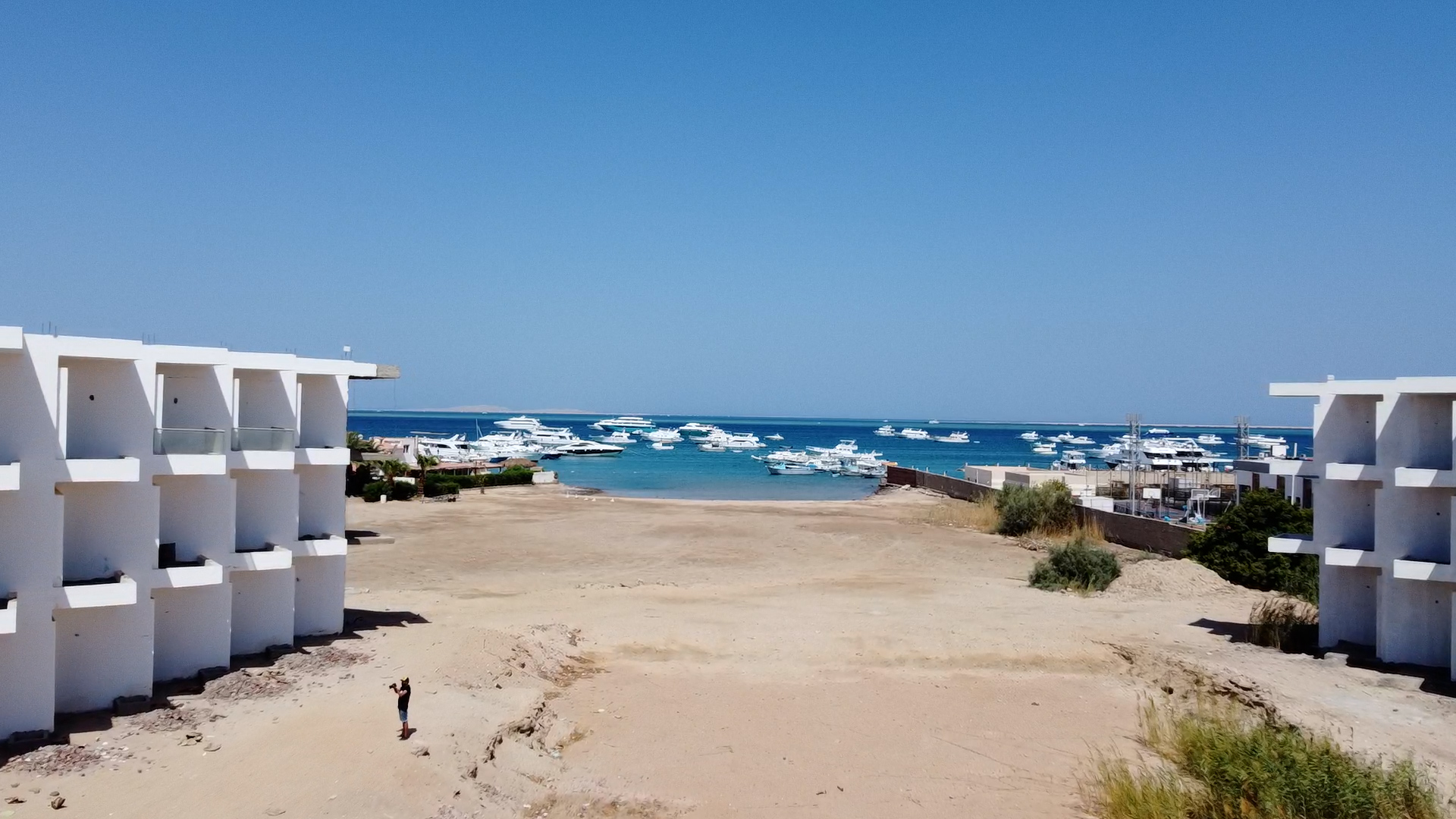
Overview of the Egyptian Real Estate Market
The Egyptian real estate market has experienced significant transformation over the past decade, making it a focal point for both local and international investors. Currently, the market is characterized by robust demand driven by a growing population, which has reached over 100 million. This demographic pressure has resulted in urban expansion, with millions seeking residential and commercial properties in cities like Cairo, Alexandria, and burgeoning areas along the North Coast. Historical data indicates that the real estate sector has shown a consistent upward trajectory, despite occasional economic fluctuations.
Government initiatives aimed at stimulating the economy have played a pivotal role in shaping the real estate landscape. Policies such as the National Housing Project and the Urban Development Strategy are designed to provide affordable housing opportunities and improve urban infrastructure. Furthermore, the government has prioritized investments in key sectors, thereby increasing private sector participation in real estate development. These collective strategies have garnered considerable interest from investors seeking stable returns amidst a real estate boom.
In addition to favorable government policies, several economic factors have influenced the growth of the real estate market in Egypt. The devaluation of the Egyptian pound has rendered properties more affordable for foreign investors, creating a unique opportunity for those looking to capitalize on relatively lower prices. Moreover, increased foreign direct investment (FDI) in the country has encouraged the development of various projects, including luxury residential units, commercial spaces, and mixed-use developments, all catering to diverse consumer needs.
The ongoing urbanization trend is also noteworthy, as many Egyptians move from rural areas to urban centers in search of better job prospects and living conditions. As cities expand to accommodate this influx, real estate developers are focusing on creating sustainable communities. In summary, the Egyptian real estate market presents a complex interplay of historical trends, government initiatives, and economic conditions that collectively foster a favorable investment climate.
Factors Contributing to the Rise in Investment Opportunities
The Egyptian real estate market is witnessing a noticeable rise in investment opportunities, driven by several pivotal factors. One of the foremost elements influencing this trend is demographic shifts. Egypt’s population is steadily increasing, placing a heightened demand on housing and commercial spaces. With a median age of approximately 24 years, a youthful population drives the need for modern living environments and infrastructure, offering lucrative prospects for investors.
In addition to demographic changes, significant economic reforms implemented by the Egyptian government are playing a crucial role in enhancing the investment landscape. These reforms include the introduction of policies aimed at stabilizing the economy, promoting foreign direct investment, and streamlining property registration processes. Such measures have created a more transparent and investor-friendly atmosphere, attracting both local and international stakeholders to the real estate market.
Infrastructure development remains another critical factor in the rise of investment opportunities in Egyptian real estate. Major government initiatives, including the construction and enhancement of transportation networks, utilities, and social amenities are underway, particularly in urban areas such as Cairo and Alexandria. These improvements not only facilitate urban expansion but also elevate property values, thus increasing their appeal to potential investors.
Furthermore, the government’s vision for urban development emphasizes the creation of new cities and the revitalization of existing ones. This strategic approach not only addresses the housing shortage but also boosts economic growth and job creation, enhancing overall market conditions for real estate investments. Coupled with foreign investment incentives aimed at easing investment restrictions, these factors collectively create a fertile ground for growth in the Egyptian real estate sector. The alignment of these dynamics positions Egypt as an attractive destination for investors looking to capitalize on emerging opportunities.
Regional Hotspots for Real Estate Investment
As the landscape of Egyptian real estate continues to evolve, several regional hotspots are emerging that are expected to present lucrative investment opportunities in 2025. Investors seeking promising areas should consider neighborhoods undergoing substantial urban development, as well as regions enriched with tourism potential. Among these, New Cairo has solidified its position as a prime investment zone, driven by an increasing population and demand for high-quality residential and commercial properties. This area boasts modern amenities and infrastructure projects that enhance its appeal to both locals and expatriates.
Another noteworthy hotspot is the North Coast, particularly the areas surrounding El Alamein and Marassi. This region is gaining traction not only for its beautiful beaches but also for significant government investments aimed at developing sustainable and integrated communities. The government’s initiatives are designed to boost tourism and enhance the overall livability of these areas, resulting in a strong potential for property value appreciation. Investors can capitalize on the rising demand for vacation rentals and second-home properties, which are projected to increase as the tourism sector rebounds.
Additionally, the Greater Cairo area presents new opportunities, especially with the ongoing developments in the New Administrative Capital. The government’s ambitious plan to relocate certain administrative functions and institutions to this area is expected to boost employment rates and increase housing demand. High-profile projects like the Central Business District promise to transform the skyline, offer modern office spaces, and attract international investors. Such developments indicate a rise in real estate values, making them enticing prospects for those looking to invest in Egyptian real estate.
Challenges and Considerations for Investors
Investing in Egyptian real estate presents a myriad of opportunities; however, it is essential for potential investors to remain cognizant of various challenges and considerations that may arise during the process. One of the primary hurdles involves navigating the complex legal landscape surrounding real estate transactions in Egypt. The legal framework can be intricate, with various laws governing property ownership, particularly for foreign investors. To mitigate risks, it is advisable for investors to seek legal counsel with expertise in Egyptian property law to ensure compliance with all regulations.
Additionally, understanding market dynamics is crucial. The Egyptian real estate market is influenced by various factors, including supply and demand, economic conditions, and demographic trends. Investors should conduct thorough market research to identify emerging neighborhoods and investment hotspots. This includes analyzing price fluctuations, occupancy rates, and potential for rental yield in different areas. A comprehensive understanding of these market dynamics will help investors make informed and strategic investment choices.
Currency fluctuations pose another significant risk for investors in Egypt. The volatility of the Egyptian pound against major currencies can affect overall returns on investment and complicate financial planning. Investors must factor in potential currency risks when considering their investment, and it may be wise to seek options that can mitigate this exposure.
Political stability in Egypt is also an essential consideration for investors. While the country has made strides in developing its real estate sector, political factors can impact market confidence and growth prospects. Investors should stay updated on political developments and their potential implications for the real estate market.
In light of these challenges, it is essential to engage with reputable real estate agencies that can provide local insights and facilitate transactions. Building relationships with established professionals in the market can enhance investor confidence and streamline the buying process, ultimately contributing to a more successful investment experience.


Join The Discussion