
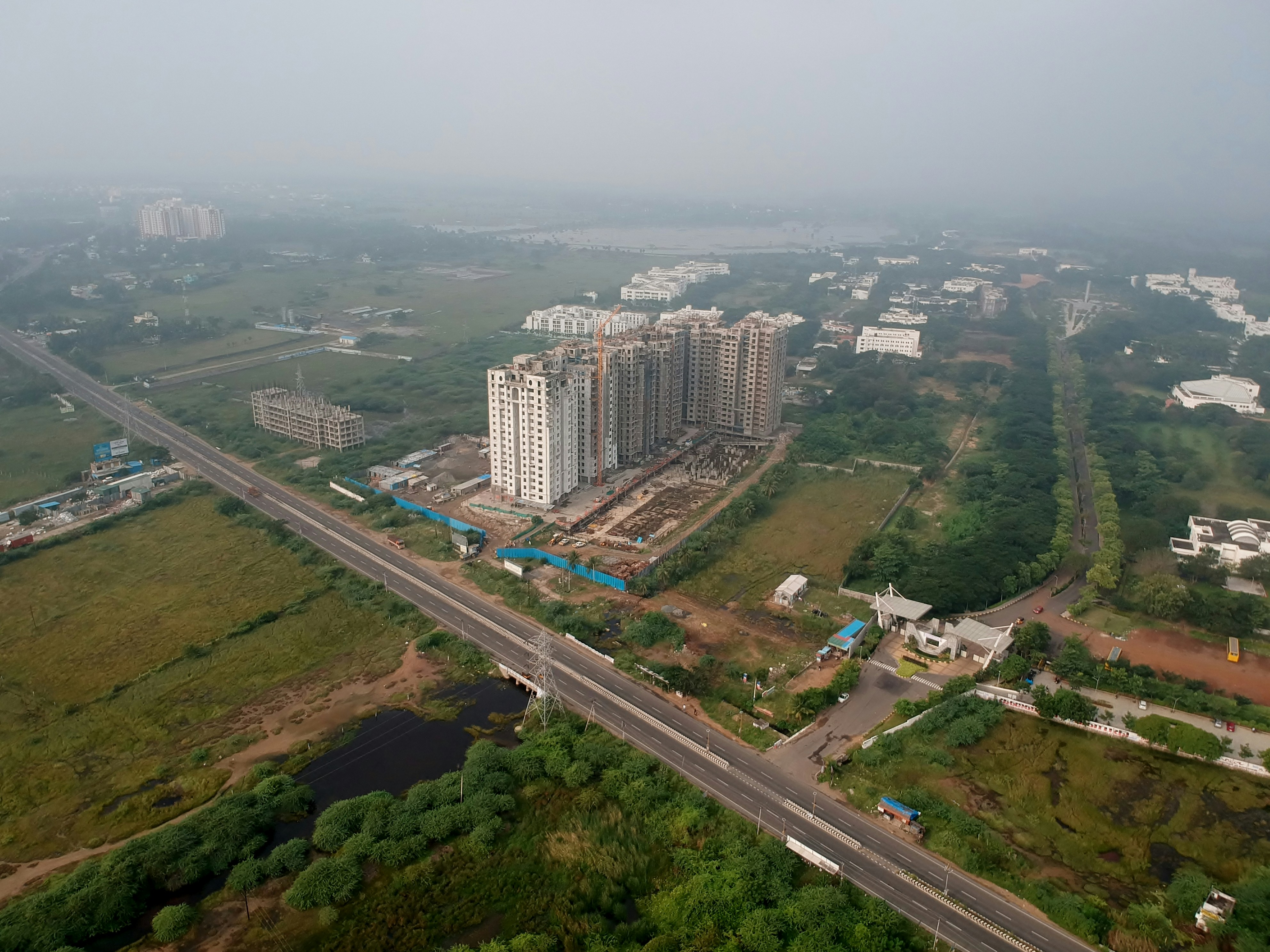
The Relationship Between Infrastructure and Real Estate
The intricate relationship between infrastructure development and real estate growth underlines the essential role that infrastructure plays in shaping urban landscapes and property markets. Investments in infrastructure, such as improved transportation networks, utilities, and public services, serve as a catalyst for real estate growth. When communities are equipped with efficient transportation systems—roads, railways, and airports—access becomes significantly easier, thereby raising the desirability of those areas for potential residents and businesses alike.
High-quality infrastructure often leads to enhanced property values. For instance, neighborhoods with direct access to public transit tend to experience an increase in housing demand, as they provide convenient commutes to workplaces, schools, and recreational areas. In turn, this demand places upward pressure on property prices, benefiting current homeowners and attracting real estate investors seeking stable returns. Furthermore, the expansion of utilities such as water, electricity, and telecommunications supports not only individual household needs but also the growth of local businesses, empowering them to flourish in well-connected areas.
Public services, including schools, parks, and healthcare facilities, are equally vital components of infrastructure that influence real estate dynamics. Areas with well-developed public amenities are attractive to families and young professionals, further driving demand for housing in these locales. Additionally, the presence of reputable institutions can bolster local economies, drawing in new investments and enhancing overall quality of life. The conversation around infrastructure development should thus recognize its pivotal role as the backbone of urban growth, influencing the decisions of where people choose to live and work.
Infrastructure Investments: Key Drivers of Real Estate Demand
Infrastructure investments play a pivotal role in shaping real estate demand across various regions. By enhancing transportation networks, utilities, and public amenities, such investments create an environment that attracts both residents and businesses. Enhanced connectivity through highways and public transit systems not only improves accessibility but also increases the desirability of adjacent properties. For instance, urban areas that have invested in high-speed rail systems often witness a surge in residential and commercial development due to reduced travel times and boosted economic activity.
One notable case is the development of the Dallas Fort Worth International Airport’s expansion, which catalyzed significant real estate growth in the surrounding areas. As accessibility improved, the demand for residential properties surged, complemented by an influx of commercial enterprises eager to capitalize on the increased foot traffic. This phenomenon illustrates how infrastructure upgrades can bolster property values, as potential buyers weigh the benefits of living in proximity to well-connected transportation hubs.
Public transit systems also serve as a central driver of real estate demand, particularly in urban settings. The introduction of light rail services in cities such as Portland has significantly transformed previously underdeveloped neighborhoods. Properties in close proximity to transit stations have seen substantial appreciation, largely due to the convenience offered to commuters. This shift not only enhances residential desirability but also encourages local businesses to flourish, creating a vibrant ecosystem that benefits from increased foot traffic and patronage.
Utilities, such as reliable water and energy supply, are equally vital infrastructure components that drive real estate demand. Areas with modern utilities are more attractive to potential buyers, leading to a competitive market for residential and commercial properties. In summary, the interplay among various types of infrastructure investments—be it highways, transit systems, or utilities—exerts a powerful influence on real estate demand, creating significant opportunities for growth and development within communities.
The Role of Government Policies in Infrastructure and Real Estate
Government policies play a crucial role in shaping the landscape of infrastructure development and influencing the real estate market. Zoning laws, for example, dictate how land can be used, which directly affects property values and the types of developments that can take place. These regulations determine whether areas are designated for residential, commercial, or mixed-use developments, creating a framework within which developers and investors must operate. Such laws can either encourage urban sprawl or promote sustainable growth, thereby impacting the overall appeal of real estate investments.
Additionally, tax incentives are another essential tool that governments utilize to stimulate infrastructure growth and attract investments in real estate. Through tax breaks or credits, governments can encourage private sector involvement in infrastructure projects, thereby alleviating some of the financial burden on public funding. When investors and developers perceive a favorable tax environment, they are more likely to pursue projects that contribute to infrastructure enhancements, which in turn can lead to increased demand for real estate in the vicinity.
Public-private partnerships (PPPs) represent yet another synergy between government initiatives and the private sector. These collaborations not only facilitate the financing of large-scale infrastructure projects but also align the interests of both parties. By combining the efficiency and resources of the private sector with the regulatory framework of the government, PPPs can help optimize resource allocation and improve service delivery in infrastructure projects, ultimately benefiting real estate markets. Such partnerships encourage innovation and can lead to the development of state-of-the-art facilities, attracting further investments in the surrounding areas.
Overall, the intersection of government policies, infrastructure growth, and real estate investment creates a dynamic environment that can have lasting impacts on urban development. Through strategic planning and collaboration, policies can significantly enhance the opportunities for growth and prosperity within the real estate sector.
Future Trends: The Impact of Smart Infrastructure on Real Estate
The evolution of smart infrastructure stands at the forefront of future trends shaping the real estate landscape. As urban centers increasingly embrace digital advancements, the integration of smart technologies is poised to transform how properties are developed, managed, and utilized. Smart cities, characterized by innovative applications of technology in urban design and management, are becoming a focal point for real estate stakeholders looking to enhance the efficiency and sustainability of living spaces.
One of the paramount features of smart infrastructure is its emphasis on sustainable development. The deployment of energy-efficient systems, green building materials, and smart resource management not only reduces the environmental footprint of new developments but also attracts eco-conscious buyers. Properties equipped with smart technology features, such as automated lighting and climate control, promise not only utility savings but also a modern lifestyle that resonates with the current market’s preferences. This trend is increasingly relevant, as consumers seek out homes that meet sustainability standards while ensuring comfort and convenience.
Moreover, advanced transportation methods, including electric vehicles and public transit innovations, are fundamentally reshaping property dynamics. Developments near smart transit hubs are likely to see increased demand, as connectivity becomes a significant factor for buyers and investors. The integration of real-time data allows for better traffic management and mobility solutions, which enhances neighborhood accessibility and appeal, further driving real estate growth in these areas.
However, this transformation does not come without challenges. Issues regarding data privacy, cybersecurity threats, and the digital divide raise questions about the equitable distribution of smart infrastructure benefits. Successfully navigating these challenges will prove essential for stakeholders aiming to harness the full potential of these trends. Overall, the emergence of smart infrastructure will indubitably reshape urban living, presenting both opportunities and hurdles for the real estate market in the near future.




Join The Discussion