
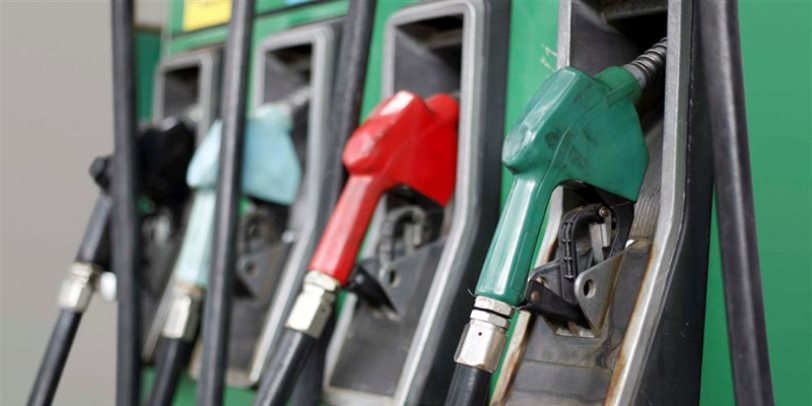
Global Overview of Gasoline Prices
Gasoline Prices in Egypt and worldwide continue to show notable fluctuations in 2026. As of this year, the global landscape of fuel pricing has experienced significant changes, with average gasoline prices rising by approximately 15% compared to the previous year. This increase is driven by several factors, including geopolitical tensions, ongoing supply chain disruptions, and economic instability affecting major oil-producing nations. In regions such as North America and Europe, prices have seen marked increases, with averages reaching close to $4.00 per gallon and €1.70 per liter, respectively.
Gasoline Prices in Egypt remain significantly higher or lower depending on global market shifts, especially when compared to other regions. In contrast, Gasoline Prices in Egypt highlight a broader pattern seen across international markets, where countries in the Middle East, particularly those with substantial oil reserves, continue to experience lower gasoline prices, maintaining averages around $1.00 per liter. This stark contrast in Gasoline Prices in Egypt and global fuel markets highlights disparities in fuel pricing influenced by local production capabilities, governmental subsidies, and regional demand. Moreover, Gasoline Prices in Egypt also reflect global pressure, as emerging economies in Asia, like India and Indonesia, are experiencing rising fuel prices due to increased consumption and urbanization trends, which are driving greater demand for gasoline.
Furthermore, geopolitical events have made an indelible mark on global gasoline pricing patterns. For instance, the ongoing conflict in Eastern Europe has raised concerns regarding supply chain integrity, leading to heightened price volatility. Similarly, decisions made by OPEC regarding oil production levels continue to impact international prices significantly. Strong economic growth in specific regions has placed additional pressure on demand, resulting in an overall tightening of supply.
In summary, the global landscape of gasoline prices in 2026 reflects complex interactions between economic factors, geopolitical developments, and regional consumption patterns. These fluctuations underscore the interconnectedness of global markets and the intrinsic link between geopolitical stability and consumer fuel costs. As such, consumers worldwide must remain vigilant and informed regarding the dynamic nature of gasoline pricing trends.
Gasoline Prices in Egypt: Current Status and Trends
Gasoline Prices in Egypt as of 2026 have undergone notable fluctuations, reflecting both local and global economic dynamics. Gasoline Prices in Egypt are currently influenced by several key factors, including governmental policies and international oil prices. The Egyptian government has been implementing several reforms aimed at rationalizing fuel subsidies, which have historically placed a burden on the national budget. These changes in Gasoline Prices in Egypt aim to encourage more efficient energy consumption and offset fiscal deficits while aligning domestic prices with global market trends.
In recent months, the prices of gasoline in Egypt have shown a slight increase, a trend that can be attributed to rising crude oil prices on the global market. This has raised concerns among consumers, with many expressing dissatisfaction due to the increasing cost of living. Public sentiment around these price changes reflects a mix of frustration and understanding, as many Egyptians recognize the need for economic reforms. Additionally, the impact of subsidies being gradually reduced has led to increased scrutiny of the government’s approach to fuel pricing.
Furthermore, local production levels and consumption patterns significantly affect gasoline prices in Egypt. Egypt’s efforts to enhance its domestic oil production are crucial, as they directly influence the supply available to meet demand. Increased reliance on international trade for fuel imports amidst global market volatility further complicates the pricing landscape. As the nation strives to balance its energy needs with sustainability goals, shifting consumption patterns indicate a gradual movement towards alternative energy sources.
Overall, the evolution of gasoline prices in Egypt illustrates a complex interplay between policy reform, local production capabilities, and international market trends. It is essential for consumers and policymakers alike to remain vigilant regarding these developments, as they have far-reaching implications for Egypt’s economy and energy security.
Impact of Inflation and Currency Value on Fuel Prices
Gasoline Prices in Egypt are closely linked to inflation, currency value, and global energy markets, making them a key indicator of fuel economics. Gasoline Prices in Egypt are often affected by inflation, which typically leads to increasing costs for goods and services, including gasoline. As general price levels rise, the operating costs for fuel producers and distributors also increase, often resulting in higher prices at the pump for consumers. This impact on Gasoline Prices in Egypt is especially noticeable in economies with volatile inflation rates, where consumers may experience frequent adjustments in gasoline costs due to both local economic conditions and global oil price movements.
In Egypt, fluctuations in the value of the Egyptian pound against major currencies significantly impact gasoline prices. When the pound weakens, the cost of importing crude oil becomes more expensive, directly influencing retail fuel pricing. Conversely, a stronger currency can help stabilize or decrease fuel prices, making it more manageable for households and businesses. Thus, currency valuation plays a dual role, affecting both the purchasing power of consumers and the operational costs incurred by oil companies.
Historical data showcases how these economic factors interlink; for instance, during periods of high inflation in Egypt, the government has sometimes implemented fuel subsidies to alleviate the burden on consumers. However, persistent inflation often leads to the gradual removal of subsidies, resulting in increased fuel prices to reflect market realities. Looking ahead, predictions suggest that continued economic reforms and any potential fluctuations in the global oil market will further affect both local and international gasoline prices. Increased scrutiny on fiscal policies and proactive measures to stabilize currency will be crucial in controlling fuel costs, particularly in inflationary environments.
Looking Ahead: Future Predictions for Gasoline Prices
Gasoline Prices in Egypt and worldwide are expected to be influenced by a wide range of interconnected economic and geopolitical factors in the future. Gasoline Prices in Egypt may experience potential increases due to global market shifts, including decisions made by key oil-producing groups such as OPEC, which continue to adjust production levels to manage supply and stabilize global prices. In this context, any changes in oil output directly impact Gasoline Prices in Egypt and international fuel markets.
With the growing emphasis on sustainability and environmental concerns, the transition toward alternative energy sources is expected to reshape fuel demand. The rise of electric vehicles as viable alternatives will also influence Gasoline Prices in Egypt by reducing long-term gasoline consumption. As governments worldwide promote cleaner energy initiatives, this shift may gradually moderate demand and contribute to future fluctuations in Gasoline Prices in Egypt and global energy pricing trends.
Additionally, the wave of technological advancement in renewable energy sources, such as solar and wind power, offers promising solutions that could decrease reliance on fossil fuels. Such innovations might accelerate the shift towards a greener economy, reshaping demand dynamics for gasoline. However, political stability in oil-producing nations remains crucial, as conflicts or instability can lead to supply disruptions, thus driving prices higher.
Moreover, global issues, such as climate change, will increasingly influence policies related to fuel prices. Governments are likely to introduce stricter regulations aimed at reducing carbon footprints, which could further shape the trajectory of gasoline costs. Overall, the future of gasoline prices will undoubtedly be a reflection of these various factors converging in an ever-evolving global landscape.
Stay updated on Gasoline Prices in Egypt and global fuel trends—check the latest prices now!
Discover how Gasoline Prices in Egypt are changing in 2026—read the full update today!



Join The Discussion