
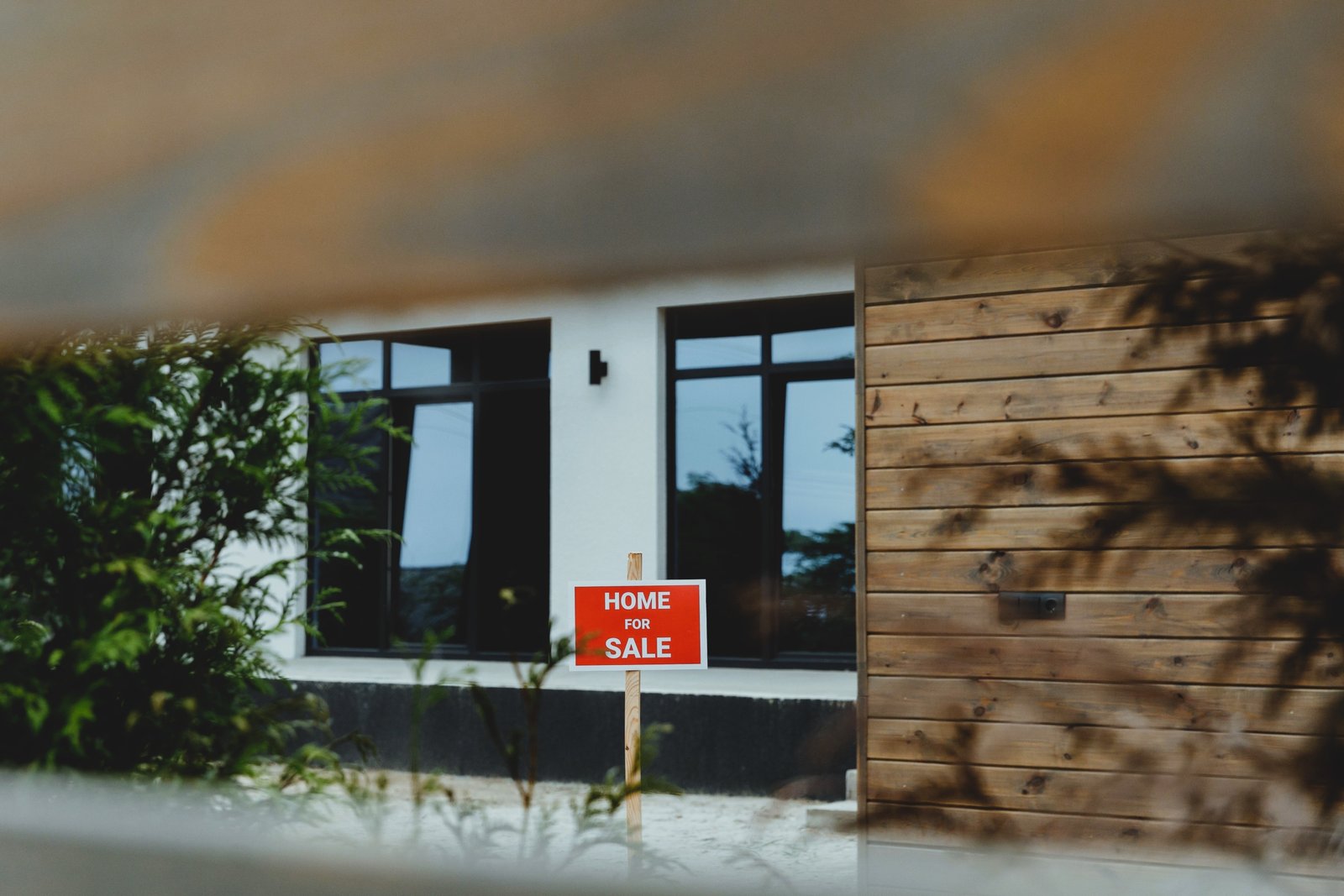
Buying a Home for the First Time: 9 Essential Steps to Buy with Confidence
Buying a Home for the First Time can feel overwhelming when you need to manage your budget, explore financing options, compare properties, and prepare for a major financial commitment. However, understanding the process and planning ahead can help you make informed decisions and avoid common mistakes.
Whether you are searching for an apartment, a family house, or a property for long-term investment, knowing what to expect makes the journey easier. This guide explains the essential steps, from reviewing your finances to completing the purchase, so you can move forward with confidence.
Step 1: Review Your Finances Before Buying a Home
When Buying a Home for the First Time, start by reviewing your income, monthly expenses, savings, and existing debts. Include regular payments such as rent, transportation, credit cards, personal loans, and other financial commitments.
Next, establish a realistic budget based on the full cost of ownership. Consider the down payment, closing costs, moving expenses, property taxes, insurance, utilities, maintenance, and unexpected repairs. These expenses can vary depending on your location and property type.
A lender may approve you for a larger loan than you can comfortably afford. Choose a price range that allows you to manage your monthly payments while maintaining emergency savings and covering your everyday needs.
Step 2: Explore Financing and Mortgage Options
Understanding your financing options early can help you determine which properties fit your budget. Compare interest rates, repayment periods, lender fees, down-payment requirements, and eligibility criteria before making a decision.
If available in your area, research first-time buyer assistance programs and other financing options. Ask lenders to explain how different loan terms affect your monthly payments and the total amount you will repay.
Getting pre-approved can provide an estimate of your borrowing capacity and show sellers that you are preparing financially. However, pre-approval is not a final mortgage commitment. Your lender must still verify your financial information and assess the property.
During this stage, avoid taking on significant new debt or making major financial changes without discussing them with your lender.
Step 3: Define Your Priorities and Home Requirements
Buying a Home for the First Time becomes easier when you know what you need before starting your search. Consider the number of bedrooms, property size, location, parking, outdoor space, and proximity to work, schools, healthcare, shops, and public transportation.
Separate essential features from optional preferences. For example, an affordable monthly payment and a convenient location might be priorities, while a larger kitchen or an additional bedroom may be negotiable.
Think about your future plans, too. Changes in household size, employment, or lifestyle could affect the type of property you need. Choosing a home that can accommodate these changes may help you avoid moving again too soon.
A clear list of priorities allows you to compare properties objectively and focus on options that suit your needs.
Step 4: Choose Experienced Real Estate Professionals
Having the right professional support can make the buying process easier to understand. Depending on your circumstances, you may benefit from working with a real estate agent, mortgage adviser, property inspector, or real estate attorney.
Look for professionals who understand the local market, explain unfamiliar terms clearly, and answer your questions without pressuring you into a decision.
Before hiring anyone, clarify their responsibilities, fees, services, and terms of representation. Ask about their experience with properties in your preferred location and price range.
Reliable guidance can help you evaluate your options, understand contractual obligations, and identify potential concerns before committing to a purchase.
Step 5: Search for Properties That Fit Your Budget
When Buying a Home for the First Time, it is important to compare properties according to your budget, priorities, and long-term plans. Consider the asking price, location, condition, available facilities, and likely maintenance costs.
During viewings, look beyond the property’s appearance. Check visible surfaces, storage space, natural light, and signs of moisture or damage. Ask questions about repairs, utilities, service charges, and other expenses that may affect your ownership costs.
Evaluate the surrounding area as well. Traffic, noise, parking, transportation, and access to everyday services can influence your quality of life and the property’s long-term appeal.
Take notes during each visit and compare the homes against your original requirements. Avoid stretching your budget simply because a property looks attractive or offers additional features.
Step 6: Make a Realistic Offer
Once you find a suitable property, research recent comparable sales and consider the property’s condition and current market conditions before deciding what to offer.
Your offer should reflect the property’s potential value while remaining within your financial limits. Depending on local practices, you may also negotiate the closing date, included appliances, repairs, or other contract terms.
Some transactions involve an earnest money deposit and contingencies related to financing, inspection, or appraisal. These provisions may offer important protections, but their availability and legal effect depend on the contract and local regulations.
Review the agreement carefully before signing. Make sure you understand the payment requirements, deadlines, and consequences of each condition. Seek qualified legal advice if you are uncertain about any contractual obligation.
Step 7: Arrange a Professional Property Inspection
A professional inspection can reveal issues that may not be obvious during a viewing. Depending on the property, an inspector may assess visible structural elements, plumbing, electrical systems, roofing, and other accessible components.
If the inspection identifies potential problems, consider whether additional specialist assessments are necessary. Review the likely repair costs and decide whether the findings affect your willingness to proceed.
Depending on your contract, you may be able to negotiate repairs, request a price adjustment, or reconsider the purchase. Pay attention to inspection deadlines and understand your contractual rights before making a decision.
Remember that an inspection and an appraisal serve different purposes. An inspection evaluates the property’s condition, while an appraisal generally estimates its market value for lending purposes.
Step 8: Finalize Financing and Complete the Necessary Checks
After your offer is accepted, your lender will continue reviewing your finances and the property before issuing final mortgage approval. Respond promptly to document requests and avoid financial changes that could affect your eligibility.
Review the necessary title checks, insurance arrangements, seller disclosures, and other documents relevant to your transaction. Confirm that ownership details and contractual terms are accurate, and ask qualified professionals to explain anything you do not understand.
Before closing, review your final loan terms and closing costs carefully. Compare the figures with earlier estimates and ask about unexpected charges or significant changes.
Verify payment instructions directly with a trusted contact using a previously confirmed phone number. Never rely solely on an unexpected email requesting that you transfer money to new bank details.
Step 9: Complete the Closing Process and Prepare to Move In
Buying a Home for the First Time does not end when your offer is accepted. Before the transaction is finalized, arrange a final walkthrough if applicable. Check that the property remains in the agreed condition, included items are present, and promised repairs have been completed.
Review the closing documents carefully and confirm the required funds, ownership information, and mortgage terms before signing. The exact process varies by location, so follow the instructions of your lender and closing professional.
After the purchase is complete, keep copies of your signed documents, inspection reports, warranties, and payment records in a secure place.
Arrange utility transfers, change or rekey exterior locks where appropriate, and learn how to operate essential property systems. Set aside money for routine maintenance and unexpected repairs to help manage future expenses.
Common Mistakes to Avoid When Buying a Home for the First Time
First-time buyers can reduce unnecessary stress by avoiding several common mistakes:
Ignoring additional costs: Budget for taxes, fees, insurance, maintenance, and moving expenses rather than focusing only on the purchase price.
Borrowing more than you can afford: Choose a monthly payment that fits your financial situation instead of relying solely on the maximum loan amount offered.
Skipping the inspection: Investigate the property’s condition and understand potential repair costs before committing, where the contract and local rules allow.
Making rushed decisions: Compare suitable properties and review important documents carefully before signing.
Overlooking the location: Consider transportation, nearby services, noise, parking, and other factors that influence everyday living.
Missing important deadlines: Track financing, inspection, and closing dates to help protect your contractual rights.
Using all your savings: Keep an emergency reserve for repairs, unexpected expenses, and changes in income.
Final Thoughts: Make Your First Home Purchase With Confidence
Buying a Home for the First Time becomes more manageable when you approach each stage with a clear plan. Start by reviewing your finances, exploring financing options, and defining your priorities. Then compare properties carefully, seek professional guidance, negotiate suitable terms, and complete the necessary inspections and legal checks.
The right home is not necessarily the most expensive property or the one with the most features. It is a property that suits your needs, fits your budget, and supports your future plans.
Take your time, ask questions, and evaluate every commitment before signing. With careful preparation and informed decisions, you can navigate the buying process with greater confidence and build a strong foundation for your next chapter.
Ready to Buy Your First Home?
Explore available properties with Rook Estate and find a home that fits your budget, lifestyle, and future plans.
Explore Our Properties | Contact Our Team
Looking for Your First Home?
Compare available properties, explore different locations, and browse listings to find a home that matches your needs and budget.
Explore Properties on Property Finder





Join The Discussion