
How to Compare Property Prices: 7 Smart Tips for Buyers
How to compare property prices is an important question for anyone planning to buy a home or invest in real estate. With property prices, payment plans, and available units changing frequently, choosing the cheapest advertised apartment does not always mean getting the best deal.
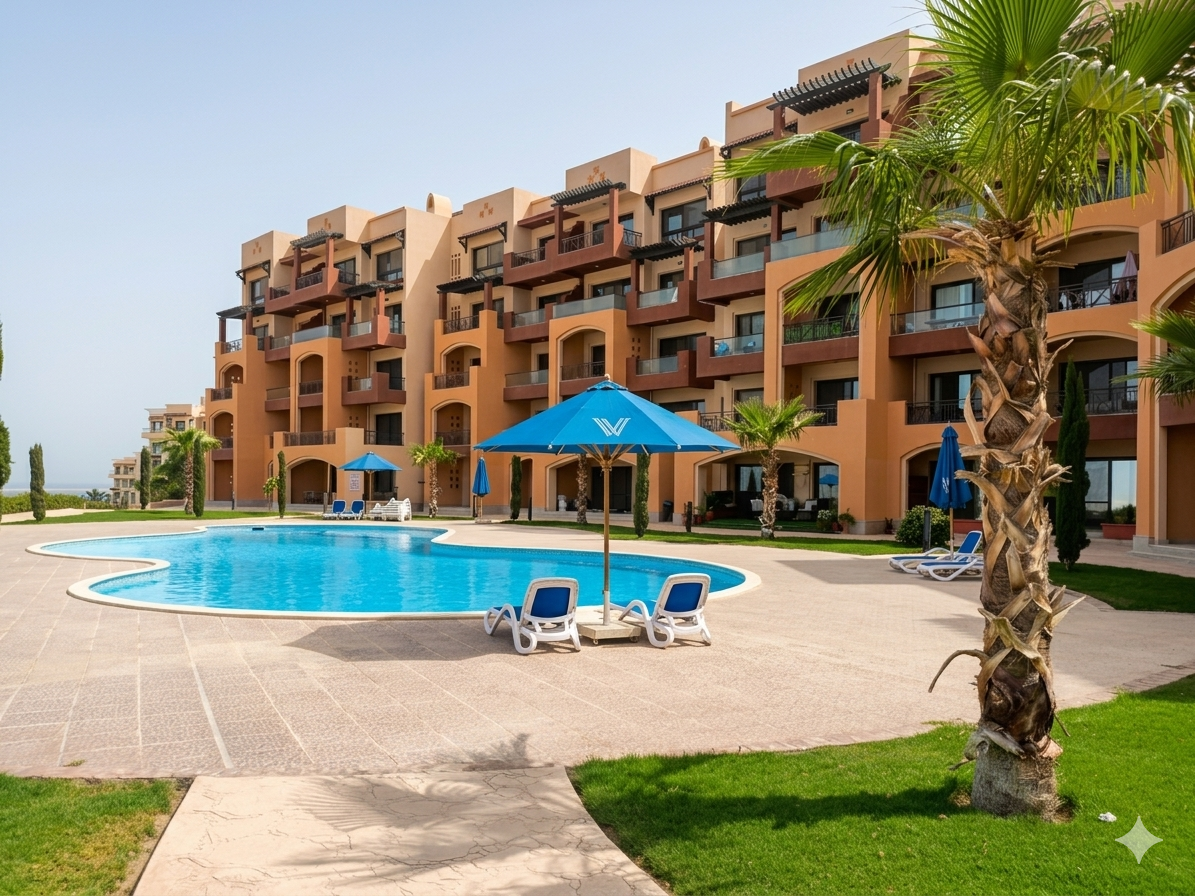
If you are considering buying property in Hurghada, you may find ready-to-move apartments, off-plan developments, and resort properties with different prices and facilities. Understanding how to compare property prices helps you evaluate the real cost of each option instead of relying on advertising alone.
In this guide, you will learn how to compare property prices using seven practical steps, from calculating the total purchase cost to checking payment plans, location, delivery dates, and potential rental demand.
1. How to Compare Property Prices in Similar Projects
The first step in learning how to compare property prices is to choose similar properties. Comparing a small studio with a larger apartment may produce misleading results unless you account for their differences.
Use these criteria when comparing developments:
Property type: Compare studios with studios, one-bedroom apartments with similar units, and villas with villas.
Size: Check the total area and, where available, the usable internal area.
Location: Consider the neighbourhood, beach access, nearby services, and transport links.
Finishing: Confirm whether the property is unfinished, fully finished, or furnished.
Delivery status: Compare completed units with other ready properties, or compare off-plan developments with similar delivery timelines.
View and floor: Sea views, pool views, floor levels, balconies, and layouts can affect the price.
For example, an apartment near El Mamsha may have a different price from a similar unit in Al Ahyaa. The difference could reflect location, finishing, facilities, or delivery time rather than a genuine pricing advantage.
When you compare property prices using consistent criteria, it becomes easier to identify which project offers the features you actually need.
2. Calculate the Total Property Cost
An advertised price is only the starting point. To compare property prices accurately, calculate the full amount you may need to pay before moving in or renting out the property.
Ask the developer or seller about:
The full purchase price and any cash discount.
Reservation fees and the required down payment.
Maintenance deposits and service charges.
Legal, registration, or administrative fees, where applicable.
Utility connection and handover charges.
Finishing, furniture, appliances, and air conditioning if excluded.
Any other compulsory payments specified in the contract.
Request an itemised quotation that explains which expenses are included and which must be paid separately. Check when each payment is due and whether any fees can change.
For example, a fully finished apartment may initially appear more expensive than an unfinished unit. However, after adding the cost of finishing, appliances, and other essentials, the finished property could have a lower overall cost.
This is why comparing the total purchase cost is more useful than comparing advertised prices alone.
3. Compare Cash Prices and Payment Plans
Payment terms can make two properties with similar advertised prices very different financially. When you compare property prices, examine the total amount payable under each payment option.
Request the following information:
Cash purchase price.
Instalment purchase price.
Down payment percentage and amount.
Number and frequency of instalments.
Any payment due at handover.
Maintenance deposits and additional fees.
Conditions for late payments or early settlement.
Consider this illustrative example:
Property A
Cash price: EGP 3,000,000
Instalment price: EGP 3,400,000
Property B
Cash price: EGP 3,150,000
Instalment price: EGP 3,300,000
Property A has the lower cash price, while Property B has the lower instalment price. The better option depends on your available funds, payment schedule, and the additional costs involved.
These figures are examples, not current market quotations.
To compare property prices fairly, use the same payment method for both properties. A lower down payment does not automatically mean a cheaper property, and a longer payment plan may come with a higher total purchase price.
4. Calculate the Price Per Square Metre
The total price does not tell the whole story when properties have different sizes. Calculating the price per square metre helps you compare their relative costs.
Use this formula:
Price per square metre = Total property price ÷ Property area
For example:
Apartment A costs EGP 3,000,000 and measures 60 sqm. Its price is EGP 50,000 per sqm.
Apartment B costs EGP 3,600,000 and measures 80 sqm. Its price is EGP 45,000 per sqm.
Although Apartment B costs more overall, its price per square metre is lower.
However, this calculation should not determine your decision by itself. A higher price per square metre may reflect a better location, sea view, finishing quality, or facilities.
When you compare property prices per square metre, check whether the advertised areas are calculated consistently. Balconies and other spaces may be included differently, so compare usable internal areas whenever possible.
5. Track Property Price Changes Over Time
Property prices can change when developers release new phases, sell particular units, update payment plans, or introduce promotions. An old advertisement may no longer represent the current offer.
If you want to compare property prices accurately in a changing market, maintain a simple price log for each shortlisted development.
Record the following details:
The date the price was collected.
The exact unit type, size, floor, and view.
The quoted price and payment method.
The finishing level and included features.
The availability status.
The source of the quotation.
The expiry date and conditions of any promotion.
Keep previous quotations rather than replacing them. This helps you distinguish an actual price change from a different unit, updated specification, or limited-time discount.
You can calculate the percentage change using this formula:
Percentage change = ((New price − Old price) ÷ Old price) × 100
For example, if the same apartment increases from EGP 2,500,000 to EGP 2,750,000, the price has increased by 10%.
Always compare the same unit or genuinely comparable properties. A lower price for a smaller apartment is not necessarily evidence that a developer has reduced prices.
6. Compare Location, Delivery Dates, and Developer Reliability
A low price does not automatically mean good value. When deciding how to compare property prices across different developments, consider the quality of the location, the expected delivery date, and the developer’s track record.
Location and accessibility
Check the distance to beaches, supermarkets, restaurants, medical services, the airport, and other places you regularly visit. In Hurghada, the differences between neighbourhoods can affect convenience, lifestyle, and potential rental demand.
Construction and delivery
For off-plan properties, confirm the expected handover date, current construction progress, and contractual provisions covering delays. A lower-priced property with a longer wait may not suit a buyer who needs a home immediately.
Developer reputation
Research completed projects, speak with previous buyers where possible, and independently verify the relevant ownership documents and permissions.
Facilities and ongoing costs
Check whether swimming pools, beach access, parking, security, and property management are included. Ask about maintenance fees and recurring service charges.
Rental and resale potential
If you are buying for investment, investigate comparable rental listings, seasonal demand, management costs, and vacancy periods. Rental income and future resale values are not guaranteed.
Comparing these factors alongside the asking price gives you a clearer picture of the property’s overall value.
7. Use a Property Comparison Checklist Before Buying
Once you have shortlisted your preferred developments, organise the information in a spreadsheet or comparison document.
Include these details for every property:
Project name and location.
Property type, size, floor, and view.
Current quoted price and quotation date.
Price per square metre.
Cash price and instalment price.
Down payment and instalment schedule.
Additional fees and estimated furnishing costs.
Finishing level and included facilities.
Delivery date or current readiness.
Developer background and contract conditions.
Suitability for personal use, rental, or resale.
Give each factor a score based on your priorities. For example, immediate delivery may matter most to someone planning to move in, while beach access and management costs may matter more to someone buying a holiday home.
This structured method makes it easier to compare property prices without allowing an attractive advertisement or a low initial payment to dominate the decision.
Before signing a contract or transferring funds, arrange independent legal checks and confirm the property’s documentation, payment obligations, delivery terms, and applicable fees.
Final Thoughts: How to Compare Property Prices and Find Better Value
Knowing how to compare property prices helps you look beyond the headline figure and understand what you are actually paying for.
The best property is not necessarily the cheapest apartment or the project with the lowest down payment. It is the one that offers the right balance of total cost, location, specifications, payment terms, delivery arrangements, and suitability for your goals.
Take time to verify current prices, request written quotations, and compare similar units. In a changing market like Hurghada, a consistent comparison can help you make a better-informed decision and avoid unexpected expenses.
Looking for a property in Hurghada? Explore available developments with Rook Estate and compare properties based on your budget, preferred location, delivery timeline, and payment plan before making your decision.




Join The Discussion