

Understanding Off-Plan Properties
Off-Plan vs Ready-to-Move-In Property is an important comparison for buyers deciding whether to invest in a property under construction or choose a completed home that is available for immediate use. Understanding the differences, especially in the context of Off-Plan vs Ready-to-Move-In Property, can help you make a more informed decision based on your budget, investment goals, payment preferences, and desired move-in date.
Off-plan properties are real estate investments purchased before construction is completed. Buyers typically acquire these properties based on architectural plans, models, and specifications provided by the developer. This type of property purchase is common in various real estate markets, particularly in regions where new developments are underway.
In the debate of Off-Plan vs Ready-to-Move-In Property, buyers must consider various factors that influence their purchase decision.
One of the main advantages of off-plan properties is that buyers can secure a unit in a sought-after development at an early stage, often at a more attractive price compared with completed units. They may also benefit from flexible payment plans and potential capital appreciation as construction progresses.
Thus, understanding the Off-Plan vs Ready-to-Move-In Property dynamics is essential for informed choices.
Ready-to-move-in properties, on the other hand, are completed units that can usually be occupied or rented immediately. Buyers can inspect the actual property, see the finishes and views firsthand, and start using or generating rental income from the property sooner.
For many, the choice between an off-plan property and a ready-to-move-in property hinges on personal circumstances and market conditions.
Investing in off-plan properties can present numerous advantages for potential homeowners and investors. Firstly, one of the most significant benefits is the potential for capital appreciation. Since these properties are often sold before completion, by the time they are ready for occupancy, their market value could have increased, allowing investors to see substantial returns. This factor is particularly appealing in booming real estate markets where property values are on the rise.
Another advantage of off-plan properties is the opportunity for buyers to customize their new homes. Many developers offer options for buyers to select finishes, layouts, and sometimes even structural changes. This level of personalization can enhance the living experience, allowing homeowners to create a space that fits their unique preferences and lifestyle.
Additionally, off-plan properties can often come with attractive payment plans. Buyers may be able to make a smaller initial deposit followed by staggered payments leading up to the completion of the building. This flexibility makes off-plan investments more accessible, especially for first-time buyers who may struggle to afford a full upfront payment for a ready-to-move-in property. Overall, understanding off-plan properties and their workings in the real estate market can be instrumental in helping buyers make informed decisions about their investments.
Exploring Ready-to-Move-In Properties
When comparing Off-Plan vs Ready-to-Move-In Property, ready-to-move-in properties have gained significant traction in the real estate market, primarily due to their immediate availability. Buyers looking for a hassle-free purchase can move into a completed property without waiting for construction to finish or dealing with potential project delays.
Ultimately, the Off-Plan vs Ready-to-Move-In Property decision is deeply personal and varies by individual needs.
One of the biggest advantages of a ready-to-move-in property is the ability to inspect the actual home before making a purchase. Buyers can evaluate the quality of construction, finishes, layout, views, facilities, and overall condition of the property. This provides a clearer understanding of exactly what they are buying.
In the Off-Plan vs Ready-to-Move-In Property comparison, this level of visibility can be a major advantage for buyers who prefer certainty. Unlike off-plan properties, where the final appearance and condition are based largely on plans, specifications, and developer promises, a completed property allows buyers to see the finished result before committing.
In summary, the Off-Plan vs Ready-to-Move-In Property comparison highlights key factors for buyers.
Another benefit of ready properties is their potential for immediate use. Buyers can move in, use the property as a holiday home, or rent it out without waiting several years for construction and handover. This can make ready-to-move-in properties particularly attractive to investors who want to start generating rental income sooner.
However, choosing between off-plan and ready-to-move-in property ultimately depends on the buyer’s priorities. While ready properties offer greater certainty and immediate availability, off-plan properties may provide more flexible payment plans, lower entry prices, and potential capital appreciation during the construction period.
Moreover, choosing a ready-to-move-in property significantly reduces the risks related to construction delays or unforeseen issues. Buyers of off-plan properties often find themselves contending with unexpected delays, increased costs, or even potential project cancellations. In contrast, ready properties assure buyers that they can move in immediately, allowing them to settle into their new environment without prolonged wait times. This element of convenience and practicality is a critical factor that influences many buyers’ decisions in a competitive market.
From a buyer’s perspective, ready-to-move-in properties present not just a home, but rather a stress-free transition into a new phase of life. The peace of mind that comes with avoiding the potential pitfalls of construction timelines and additional costs is invaluable. As such, for those prioritizing immediate occupancy, ready-to-move-in homes offer a practical solution that aligns with their needs and lifestyles.
Comparative Analysis: Pros and Cons
When comparing Off-Plan vs Ready-to-Move-In Property, it is essential to carefully evaluate the advantages and disadvantages of each option. The right choice depends on factors such as budget, investment goals, payment flexibility, risk tolerance, and how soon the buyer wants to use or rent the property.
This Off-Plan vs Ready-to-Move-In Property evaluation encourages thorough market research.
Off-plan properties typically present an opportunity for prospective investors to purchase real estate at an earlier stage, often at a lower price than comparable completed units. This early entry can give buyers the potential to benefit from capital appreciation as construction progresses and the development becomes more established.
Another advantage of buying off-plan is the possibility of accessing flexible payment plans, which can make property ownership more manageable. Depending on the developer and project, buyers may also have customization options, allowing them to choose certain finishes or features according to their preferences.
When considering Off-Plan vs Ready-to-Move-In Property, due diligence is paramount.
However, off-plan property investment also comes with potential risks. Construction delays, changes in market conditions, alterations to the original plans, or issues with the developer can affect the investment. For this reason, buyers should conduct thorough due diligence, research the developer’s track record, review the payment plan and contract carefully, and assess the project’s location and long-term potential before committing.
This Off-Plan vs Ready-to-Move-In Property knowledge can empower buyers.
By comparison, ready-to-move-in properties offer greater certainty because buyers can inspect the completed unit before purchasing. This makes it easier to evaluate the actual construction quality, finishing, views, location, and available facilities. Ready properties can also be attractive to investors who want to move in immediately or start generating rental income without waiting for construction to be completed.
In weighing Off-Plan vs Ready-to-Move-In Property, potential returns should be analyzed.
On the other hand, ready-to-move-in properties offer immediate occupancy, making them a compelling choice for buyers who require housing without extended waiting periods. These properties allow potential owners to evaluate the completed structure firsthand, providing a clearer understanding of the space, amenities, and overall quality. However, ready-to-move-in homes usually come at a premium price, which may diminish their investment potential in a fluctuating market.
Factors such as individual preferences, financial preparedness, and long-term investment strategies also play significant roles in the decision-making process. For example, a young family may prioritize immediate move-in capabilities due to job relocations or school districts, while seasoned investors might focus on the appreciation prospects of off-plan developments.
In summary, the choice between off-plan and ready-to-move-in properties requires careful consideration of the benefits and challenges associated with each option. By weighing personal circumstances, market conditions, and investment potential, buyers can make informed decisions aligned with their needs and goals.
Making Your Choice: Factors to Consider
The ongoing discussion of Off-Plan vs Ready-to-Move-In Property is critical for savvy buyers.
Choosing between Off-Plan vs Ready-to-Move-In Property is a significant decision that depends on several important factors, including your budget, investment goals, preferred timeframe, and willingness to wait for construction to be completed.
It’s vital to weigh the Off-Plan vs Ready-to-Move-In Property aspects before making decisions.
Budget should be one of the first factors to consider. Off-plan properties often come with attractive prices and flexible payment plans because buyers invest at an earlier stage of development. This can make an off-plan property a suitable option for buyers who want to spread payments over several years. On the other hand, ready-to-move-in properties may come with a higher upfront price because the property is completed and available for immediate use.
Your timeframe for moving is another important consideration. If you need to relocate quickly due to personal or professional commitments, a ready-to-move-in home provides an immediate solution. You can inspect the finished property, complete the purchase, and move in without waiting for construction or handover.
However, if you are planning for the future and can afford to wait, an off-plan property may offer attractive advantages. Depending on the development, buyers may benefit from modern layouts, new facilities, flexible payment plans, and potential capital appreciation as the project progresses.
The choice between an off-plan property and a ready-to-move-in property should also consider the Off-Plan vs Ready-to-Move-In Property factors.
Ultimately, the best choice depends on your individual circumstances. Consider your available budget, desired location, investment objectives, expected return, and preferred move-in date before deciding between an off-plan and ready-to-move-in property.
Risk tolerance should also influence your decision. Off-plan properties carry certain risks, such as project delays or changes in market conditions that could impact property value. On the other hand, ready-to-move-in properties allow you to see exactly what you are purchasing, potentially minimizing some levels of risk. Evaluating your comfort with these risks will help clarify which type suits your personality and investment strategy.
Your personal lifestyle preferences play a significant role as well. Consider aspects such as the location, amenities, and the surrounding community. Off-plan developments might promise innovative features and facilities but may not be immediately accessible. In contrast, ready-to-move-in properties offer the advantage of immediate occupancy but may vary in the availability of modern conveniences. Reflecting on what suits your lifestyle best will aid in making a reasoned decision.
Lastly, it is beneficial to ask yourself and consult professionals the right questions. Factors like location, future development plans, and valid construction timelines should guide your evaluation. By closely examining these factors, you can confidently navigate the decision-making process between off-plan and ready-to-move-in properties.
Ultimately, understanding the Off-Plan vs Ready-to-Move-In Property landscape will ensure a more satisfying investment.
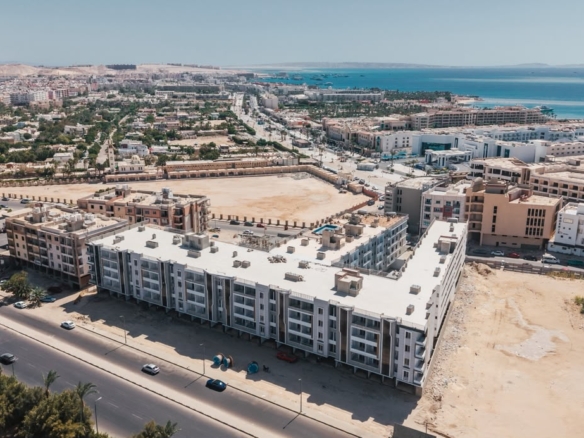
Explore Our Real Estate Projects in Hurghada
Discover a wide range of apartments, chalets, and investment properties across Hurghada, Sahl Hasheesh, El Gouna, Makadi Bay, and other Red Sea destinations. Explore all our projects and find a property that matches your lifestyle and investment goals.
Discover More About Hurghada
Learn more about Hurghada, its location, history, attractions, and the Red Sea lifestyle before choosing your next property.




Join The Discussion