
Overview of the Egyptian Real Estate Market
In recent years, the market has exhibited encouraging growth trends, particularly in residential, commercial, and industrial segments. The residential sector remains the largest, fueled by a growing population and urbanization trends. Opportunities in this segment are driven by a constant demand for housing that meets modern living standards, culminating in a surge of new developments by both local and international developers.
Commercial real estate has also gained momentum, evident through an increase in demand for office spaces and retail establishments as businesses expand their operations domestically and regionally. Furthermore, the industrial sector is thriving, catering to the needs of manufacturers and logistics firms, thus enhancing the overall attractiveness of Egypt as an investment destination.
Key players in the Egyptian real estate market range from reputable local developers to international firms, all vying to capture a market share amidst intensified competition. Recent developments, such as government initiatives aimed at promoting investment and providing infrastructure, have played a significant role in supporting market growth. Additionally, the introduction of new regulations has enhanced transparency and investor confidence.
Overall, the Egyptian real estate market is positioned for promising growth, driven by demographic shifts, economic reforms, and an evolving investment climate. By understanding these dynamics, stakeholders can better navigate the market landscape and seize opportunities for development and investment.
Economic Factors Influencing Real Estate
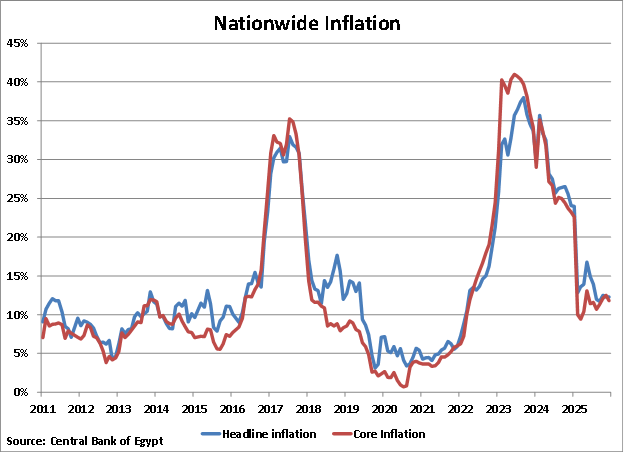
Economic impact on property prices in Egypt is strongly shaped by multiple macroeconomic factors that directly influence buyer behavior and real estate valuation. The Egyptian real estate market is profoundly influenced by various economic factors, which play a critical role in shaping property values and buyer behavior. One of the most significant drivers of the economic impact on property prices in Egypt is the rate of inflation. High inflation can erode purchasing power, leading potential buyers to delay property purchases, while also increasing construction costs for developers. This economic impact on property prices in Egypt creates a ripple effect that can slow down overall market growth and reshape investment strategies.
Interest rates are another crucial variable impacting the Egyptian real estate landscape. When interest rates rise, the cost of borrowing increases, which can dissuade buyers from taking out mortgages. This slowdown can lead to a decrease in property sales and potentially lower property valuations, as demand wanes. Alternatively, lower interest rates tend to encourage borrowing and investment in real estate, often resulting in a more dynamic market.
Furthermore, the national Gross Domestic Product (GDP) growth rate serves as a barometer for economic health. Sustained economic growth generally boosts consumer confidence, encouraging more investments in real estate. Conversely, sluggish GDP performance can lead to uncertainty, causing buyers to hold back on purchasing property. Additionally, foreign investment trends play an integral role, as international investors often seek opportunities in emerging markets like Egypt. The influx of foreign capital can lead to increased demand for real estate, driving prices up and enhancing property valuation.
Overall, the economic conditions prevailing in Egypt fundamentally shape real estate dynamics. They determine not only the behavior of buyers and investors but also the strategies employed by developers. A thorough understanding of these economic factors is essential for anyone looking to navigate the Egyptian real estate market effectively.
Government Policies and Their Role
The economic impact on property prices in Egypt is strongly influenced by government policies and regulations that shape the real estate sector. The Egyptian real estate market has long been shaped by the policies and regulations instituted by the government, which directly reflect the broader economic environment. As a pivotal player in this sector, government initiatives often respond to economic challenges and opportunities, reinforcing the economic impact on property prices in Egypt through housing programs and investment laws.
Recent legislative changes have also addressed gaps in housing availability and affordability, which are essential in a country with a rapidly growing population. These policies not only define regulatory frameworks but also strengthen incentives aimed at encouraging private investment in real estate, further amplifying the economic impact on property prices in Egypt across both residential and commercial segments.
One notable initiative is the launch of various housing projects aimed at middle-income families, which addresses the shortage of affordable housing. This is achieved through partnerships between the government and private developers, illustrating a collaborative approach to problem-solving in the real estate market. Additionally, incentives such as reduced interest rates on housing loans and tax exemptions for developers investing in underserved areas highlight the government’s active role in stimulating market growth.
However, it is essential to acknowledge that certain government policies may also pose challenges to market growth. Regulatory hurdles and bureaucratic inefficiencies can deter potential investors, complicating the landscape for real estate development. Moreover, the imposition of taxes on property transactions can lead to increased costs for buyers, which may dissuade investment in the residential real estate market. The delicate balance between encouraging growth while maintaining regulatory oversight is a central theme in the ongoing evolution of the real estate sector in Egypt.
In conclusion, the government’s involvement through policies and regulation significantly impacts the trajectory of the Egyptian real estate market. As the economy continues to evolve, so too will the strategies employed by the government to support and regulate this vital sector, reflecting both contemporary economic realities and future aspirations.
Future Outlook for the Real Estate Market
The economic impact on property prices in Egypt is becoming increasingly evident as the Egyptian real estate market reaches a pivotal juncture shaped by ongoing economic changes and global trends. The market is influenced by inflation rates, economic reforms, and shifting investment patterns, all of which directly contribute to the economic impact on property prices in Egypt, creating both challenges and opportunities for investors and developers.
A comprehensive analysis shows that future real estate growth in Egypt will likely be driven by rising demand for residential and commercial spaces. This demand is supported by population growth and rapid urbanization, both of which intensify the economic impact on property prices in Egypt by increasing pressure on housing supply and infrastructure development.
However, economic fluctuations continue to pose significant risks. Changes in interest rates, currency devaluation, and global economic conditions can affect affordability and investor confidence, further amplifying the economic impact on property prices in Egypt and potentially leading to market instability. Developers and investors must navigate these challenges carefully to protect investment value and ensure long-term sustainability.
Amid these circumstances, several emerging trends are likely to play a crucial role in shaping the real estate landscape in Egypt. Digital transformation is one such trend, as property technology (proptech) innovations gain traction among developers and consumers. This shift towards technology-enhanced services and data management could streamline transactions, improve customer experience, and enhance property management efficiency.



Join The Discussion