Introduction to Smart Cities and Their Significance in Real Estate
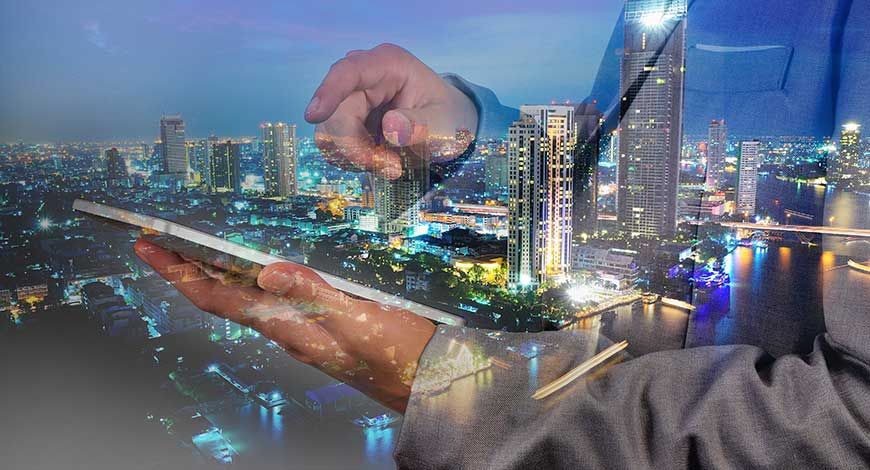
Future of Smart Cities in Real Estate is a rapidly evolving concept that encompasses a comprehensive approach to urban development, integrating technology, sustainability, and connectivity. Future of Smart Cities in Real Estate leverages digital innovations to enhance the quality of life for residents while also optimizing municipal operations.
This transformation in Future of Smart Cities in Real Estate is driven by advancements in internet connectivity, climate-responsive design, and large-scale data utilization. Together, these elements create highly efficient urban environments that support sustainable growth, smarter infrastructure, and improved real estate value.
The ongoing evolution of Future of Smart Cities in Real Estate highlights how technology is reshaping property development, investment opportunities, and modern city planning.
Fundamentally, the core components of smart cities include robust data-driven infrastructure and advanced connectivity. A smart city utilizes the Internet of Things (IoT), allowing for seamless communication between various urban systems, including transportation, energy management, and public services. Data collected from sensors plays a pivotal role in enabling cities to optimize resources, reduce waste, and improve decision-making processes. For instance, real-time traffic management systems utilize data analytics to alleviate congestion, contributing to a more efficient urban ecosystem.
These technological advancements are particularly significant in the realm of real estate. They not only reshape how properties are developed and managed but also influence the investment landscape. For property developers, incorporating smart technologies into new projects can significantly enhance property value and appeal. This integration allows for features such as energy efficiency, enhanced security, and improved tenant experiences, which are increasingly prioritized by modern consumers.
Furthermore, investors recognize the importance of smart technologies as a competitive advantage in urban property investment. The demand for sustainable and technologically advanced buildings continues to rise, enabling investors to capitalize on the long-term value that smart cities promise. The implications of this shift extend beyond mere profit; urban dwellers also stand to benefit from improved living conditions, reduced environmental impact, and enhanced social connectivity.
Technological Innovations Driving Smart City Development
Future of Smart Cities in Real Estate is fundamentally driven by technological innovations that are reshaping urban living and transforming property investment opportunities. Future of Smart Cities in Real Estate is closely linked to advancements such as the Internet of Things (IoT), which connects devices and systems to enable seamless communication and real-time data exchange.
IoT plays a major role in Future of Smart Cities in Real Estate by enabling smart infrastructure like connected streetlights that monitor energy efficiency, traffic flow, and environmental conditions. This improves city responsiveness and increases the attractiveness of urban areas for real estate investors.
Artificial intelligence (AI) is another key driver of Future of Smart Cities in Real Estate, as it analyzes large datasets to optimize city management and public services. AI helps predict traffic patterns, improve waste management systems, and enhance emergency response efficiency, all of which contribute to safer and more livable cities.
By integrating IoT and AI, the Future of Smart Cities in Real Estate is creating smarter, more efficient urban environments that significantly increase property value and investment potential.
Big data analytics further complements these technologies by offering insights into urban trends and resident behaviors. This data enables city planners and investors to make informed decisions, ensuring that developments align with community needs and preferences. The ability to harness big data means smarter resource allocation, which enhances the overall efficiency of urban living.
Renewable energy technologies also play a significant role, contributing to sustainable urban environments. Innovations such as solar panels, wind energy, and smart grids reduce reliance on traditional energy sources and help cities lower carbon footprints. As real estate investors increasingly prioritize sustainability, the integration of renewable energy in smart city planning becomes a crucial factor for investment attractiveness.
Lastly, smart transportation systems, including autonomous vehicles and optimized public transport networks, further enhance the functionality of smart cities. These innovations reduce congestion and promote environmentally friendly transit options, making urban areas more livable and desirable for investment. Overall, the convergence of these technological advancements is paving the way for the future of smart cities in real estate, creating more efficient, attractive, and sustainable urban environments.
Investment Opportunities in Smart Cities
Future of Smart Cities in Real Estate creates a wide range of investment opportunities in the real estate sector. Future of Smart Cities in Real Estate continues to evolve as urban areas increasingly adopt advanced technologies to enhance living standards and improve property value.
The Future of Smart Cities in Real Estate is largely driven by the rising demand for smart infrastructure, which not only provides convenience but also improves energy efficiency, sustainability, and long-term urban planning. Properties within smart cities are experiencing increased demand due to their integration with technologies such as IoT (Internet of Things), smart grids, and renewable energy systems.
As the Future of Smart Cities in Real Estate continues to expand, investors who focus on these technological and sustainability trends can expect stronger property appreciation and higher long-term returns.
Moreover, the rise of green buildings within smart city frameworks offers another layer of investment potential. These eco-friendly properties, characterized by their sustainable designs and energy-efficient features, are appealing to environmentally-conscious consumers and renters alike. As more individuals seek sustainable living options, properties that adhere to these principles can attract premium rents and sales prices, further elevating their investment value.
However, despite the promising outlook, potential investors in smart city developments must navigate a series of challenges. The regulatory environment associated with constructing smart infrastructures can be complex, often requiring navigational skills through bureaucratic processes. Additionally, the fast-paced nature of technology means that investors must remain adaptable, ready to revise their strategies in response to new advancements or changing urban landscapes. Balancing these challenges with the opportunity for significant returns will be critical for investors looking to capitalize on the future of smart cities.
The Future Outlook: Challenges and Trends in Smart City Real Estate Investments
Future of Smart Cities in Real Estate promises to reshape urban landscapes and transform property investment through the integration of advanced technology and sustainable development practices. Future of Smart Cities in Real Estate is becoming increasingly important as urban populations grow and climate change accelerates, creating a stronger demand for resilient infrastructure.
The Future of Smart Cities in Real Estate also focuses on addressing environmental challenges by promoting innovation in energy-efficient buildings, smart infrastructure, and climate-responsive urban planning. This proactive approach not only improves sustainability but also enhances long-term property value and investment stability.
Developers and investors involved in the Future of Smart Cities in Real Estate must stay updated on climate adaptation strategies to ensure projects remain sustainable, future-proof, and attractive to environmentally conscious buyers and tenants.
Furthermore, integrated urban policies are vital for the success of smart city initiatives. Cross-sector collaboration among government, private entities, and community stakeholders can lead to effective resource management, reduced costs, and improved quality of life for residents. However, achieving such collaboration can be a significant challenge, as different entities may have competing interests and priorities. Real estate investors keen on tapping into the smart city market need to advocate for policies promoting inclusivity, sustainability, and technological innovation.
Despite these promising trends, challenges remain. Privacy concerns regarding the use of data in smart cities present significant hurdles to investment. The reliance on technology raises questions around data security and individual privacy, which could deter potential investors and residents alike if not adequately addressed. Additionally, the landscape of technology is constantly evolving, leading to the risk of obsolescence. Investors must be vigilant about the technology being utilized in developments; outdated tech can hinder property value and marketability.
In conclusion, the future of real estate investment in smart cities is filled with opportunities and challenges. As stakeholders navigate the complexities of integrating technology and innovation in urban development, a forward-thinking approach will be crucial to harnessing the full potential of smart cities in real estate. By staying informed and adaptable to emerging trends and challenges, investors can play a pivotal role in shaping resilient, thriving urban environments.




Join The Discussion