
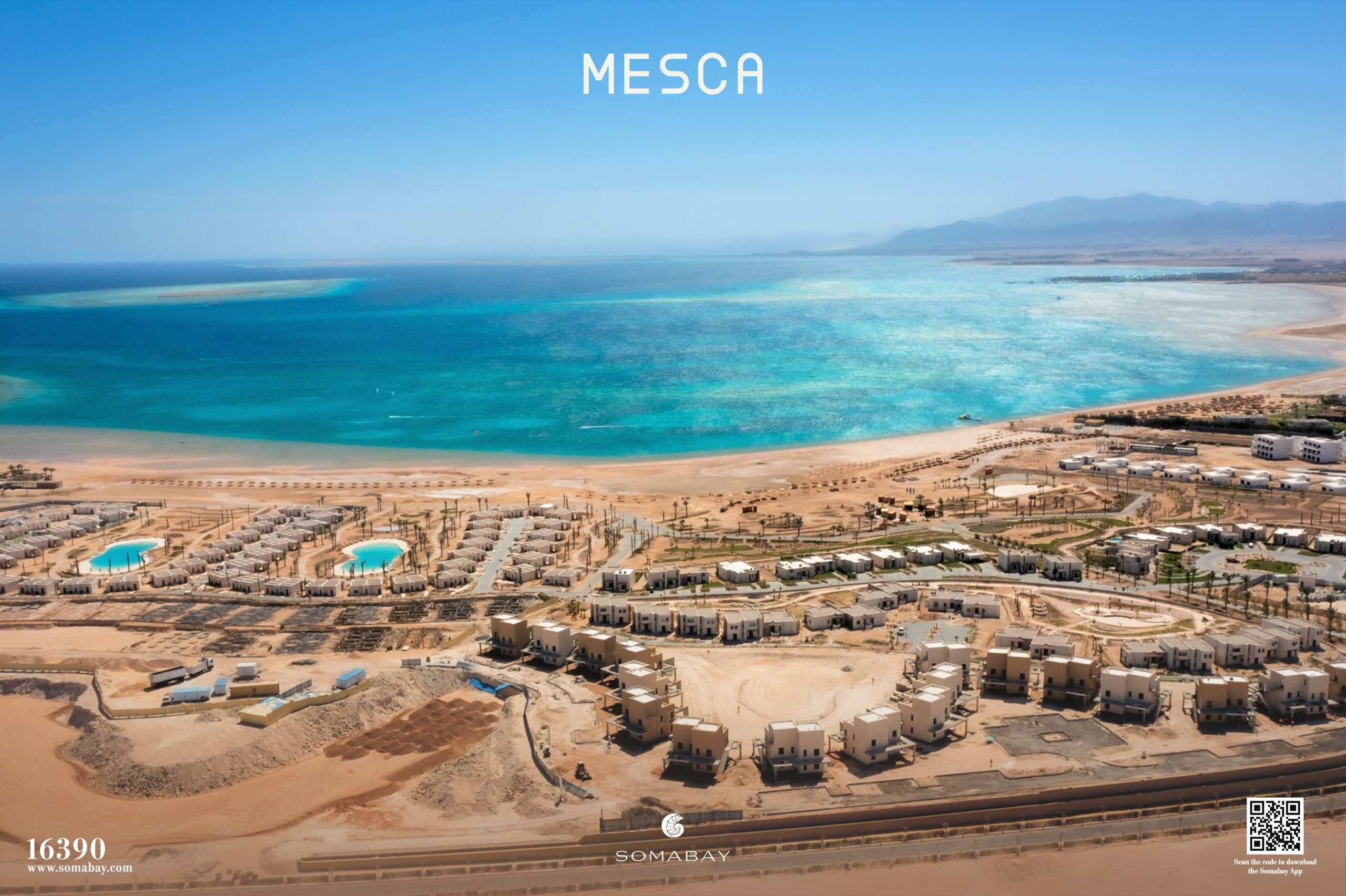
Current State of the Egyptian Property Market
Geographically, hotspots for real estate investment have emerged, particularly in urban centers such as Cairo and Alexandria, as well as emerging areas like the New Administrative Capital. These locations are attracting attention due to ongoing infrastructure developments, improved transport links, and government initiatives aimed at boosting economic growth. The establishment of new cities has also sparked interest in property development, creating opportunities for investment in residential and commercial projects.
The impact of governmental policies cannot be overlooked, as the Egyptian government continues to implement reforms aimed at revitalizing the property sector. Initiatives such as investment incentives and streamlined regulatory processes are designed to attract foreign direct investment, which has become crucial for the market’s recovery and growth. Additionally, economic factors, including inflation and currency fluctuations, play a significant role in shaping buyer behavior and investment strategies. As foreign currencies fluctuate, the purchasing power of local investors can diminish, impacting affordability in the property market.
Foreign investments in the Egyptian property market have also seen a rise, further demonstrating the attractiveness of real estate as a viable asset. International investors are increasingly viewing Egypt as a promising market due to competitive pricing and potential returns. Overall, the current state of the Egyptian property market is characterized by demand across various property types, strategic geographical investment hotspots, supportive governmental policies, and influential economic factors, all of which intertwine to create a complex yet compelling real estate landscape.
Price Trends and Projections for 2026
Egypt Property Market Analysis shows that the Egyptian property market has undergone significant fluctuations in recent years, shaped by economic conditions, foreign investments, and evolving consumer demand. A key insight from Egypt Property Market Analysis is that historical data reveals a strong upward trend in property prices, especially in urban regions and rapidly developing areas. From 2020 to 2023, findings from Egypt Property Market Analysis indicate that average property prices across Egypt increased substantially, driven by inflationary pressures and rising demand for residential, commercial, and industrial properties.
In residential real estate, Egypt Property Market Analysis highlights that demand surged in major cities like Cairo and Alexandria, leading to annual price increases ranging from 8% to 15%. By contrast, secondary markets in less populated regions saw moderate growth, averaging around 5%. Future projections from Egypt Property Market Analysis for 2026 suggest that residential property prices may continue to rise, with expected annual growth of about 7% to 10%, supported by increasing urbanization and ongoing government initiatives to strengthen the housing sector.
Commercial properties are also experiencing a renaissance, primarily due to the influx of foreign businesses and the promotion of Egypt as a regional hub for trade and commerce. Specifically, areas such as New Cairo and the New Administrative Capital are anticipated to see the most substantial price growth, potentially increasing by 10% to 12% over the next few years. Furthermore, the industrial property sector is expected to gain momentum as global supply chains realign and attract more investment into logistics and manufacturing facilities.
Regionally, the greatest price appreciation is likely to occur within Greater Cairo, where both residential and commercial sectors are buoyed by infrastructural developments and accessibility improvements. Conversely, areas that are yet to experience such growth may observe stagnation or minimal price increases. Overall, the analysis underscores the importance of informed investment strategies that take into consideration local market dynamics, property types, and economic indicators as we approach 2026.
Investment Insights and Opportunities
Egypt Property Market Analysis shows that the Egyptian property market is poised for significant transformation by 2026, presenting strong investment opportunities for local and international stakeholders. A key insight from Egypt Property Market Analysis is that Egypt’s strategic geographical location and growing economy continue to make it an attractive destination for foreign investors. Various factors highlighted in Egypt Property Market Analysis include ongoing government initiatives, expansion of real estate projects, and overall positive market sentiment.
In recent years, Egypt Property Market Analysis reveals that the government has launched several initiatives aimed at revitalizing the economy and strengthening the real estate sector. A major example is the “New Administrative Capital,” which is one of the most ambitious projects in the country. According to Egypt Property Market Analysis, this development aims to decentralize Cairo, create a modern administrative hub, and attract significant investments in both commercial and residential real estate sectors.
Moreover, improvements in the regulatory environment, such as expedited property registration processes and enhanced protection for real estate investors, have significantly bolstered investor confidence. The sentiment among investors remains optimistic, fueled by a growing demand for housing and commercial spaces, particularly in urban areas and coastal cities, which are projected to experience considerable population growth.
Furthermore, interviews with real estate professionals highlight various forecasted trends, including the rising popularity of green buildings and sustainable developments. Investors increasingly seek properties that not only offer good returns but also align with global sustainability standards. As the trend towards eco-friendly and energy-efficient buildings continues to grow, opportunities in this niche segment may offer attractive returns in the long run.
In conclusion, the Egyptian property market in 2026 holds substantial investment potential, fostered by government initiatives and a positive market outlook. For investors, understanding the dynamics of upcoming projects and opportunities within this evolving sector will be crucial for making informed decisions and leveraging the promising growth trajectory of Egypt’s real estate landscape.
Challenges and Risks in the Property Market
Egypt Property Market Analysis shows that the Egyptian property market in 2026 presents a landscape filled with both opportunities and challenges that investors must carefully navigate. A key finding from Egypt Property Market Analysis is that understanding legal constraints, such as changes in property ownership laws and land usage regulations, is essential for minimizing investment risks. Investors relying on Egypt Property Market Analysis must stay informed about the legal framework governing real estate to avoid financial losses and legal disputes.
Another important insight from Egypt Property Market Analysis is that market saturation is becoming a growing concern due to the increasing number of new developments entering the sector. This oversupply can reduce property appreciation and intensify competition, making thorough analysis essential before investing.
Furthermore, Egypt Property Market Analysis highlights that economic instability—such as currency fluctuations, inflation rates, and shifting growth patterns—continues to influence investor confidence and property prices. As a result, Egypt Property Market Analysis emphasizes the importance of adaptive investment strategies to reduce risks during economic downturns.
Moreover, unforeseen events such as political changes or natural disasters can significantly alter market dynamics. Political instability could lead to increased regulation or interference in the real estate market, potentially affecting property values and investor sentiment.
To effectively mitigate these risks, prospective investors should consider strategies such as diversifying their property portfolios, conducting comprehensive market research, and maintaining a solid understanding of legal obligations. Networking with local real estate professionals and regularly revising investment strategies can also help navigate these challenges. By acknowledging and preparing for these potential risks, investors can confidently pursue opportunities in Egypt’s ever-evolving property landscape.




Join The Discussion