
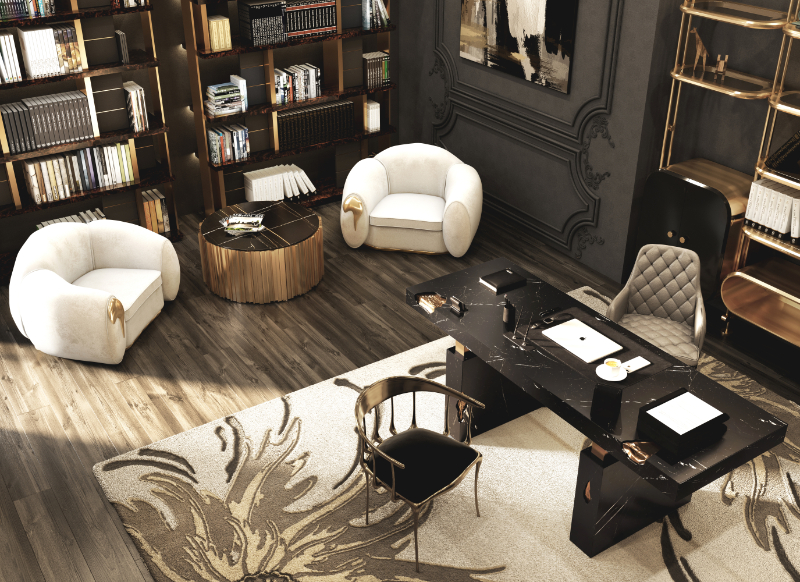
Understanding the Importance of Home Office Design
Home Office Design goes beyond aesthetics, playing a vital role in productivity, comfort, and overall work efficiency. A thoughtfully designed workspace helps reduce distractions, improves focus, and allows individuals to complete tasks with greater clarity and energy. Investing time in creating an ideal home office design often results in a more organized and effective work environment.
Ergonomics is a key aspect of effective home office design. Adjustable chairs, desks, and proper screen positioning help maintain good posture and reduce physical strain from prolonged sitting. A well-planned layout, incorporating breaks and sufficient space between furniture, promotes both comfort and functionality, making it easier to sustain long periods of focused work.
Psychological and aesthetic considerations are equally important in home office design. An attractive workspace, personalized with artwork, plants, or décor, can boost motivation, creativity, and mental well-being. Natural light from windows or strategically placed lamps enhances visibility while creating a calming atmosphere. Combining these elements results in a harmonious workspace where comfort meets productivity, ensuring your home office design supports both work performance and inspiration.
Ultimately, understanding the importance of home office design underscores the direct correlation between one’s workspace and their productivity. A well-designed home office can dramatically impact focus and comfort, setting the groundwork for a healthier work-life balance.
Essential Elements of a Productive Home Office
Home Office Design is essential for creating a workspace that fosters both productivity and comfort for anyone working from home. One of the foundational elements of effective home office design is choosing the right desk and chair. An ergonomic setup minimizes the risk of discomfort and injury, helping improve focus and efficiency. A desk at the proper height for a neutral wrist position, paired with a chair offering adequate lumbar support, significantly enhances the working environment.
Lighting is another critical component of home office design. Combining natural and artificial light creates an ideal atmosphere for work. Positioning your desk near a window maximizes daylight exposure, which can boost mood and alertness. To reduce glare on computer screens, consider adjusting desk placement or using shades. Additionally, high-quality artificial lighting, such as task lamps, ensures consistent illumination when daylight is insufficient.
Organization and layout also play a key role in effective home office design. Keeping your workspace decluttered improves focus and efficiency. Use storage solutions that are easily accessible and tailor the arrangement to your workflow. Frequently used items should remain within arm’s reach, while less essential supplies can be stored out of sight. Thoughtful organization not only enhances productivity but also contributes to a clean, inspiring work environment.
Lastly, the strategic placement of furniture can maximize space utilization. Avoid overcrowding the area, as this can lead to distractions and hinder productivity. Instead, consider a layout that facilitates movement and supports functionality, making sure there is enough room for additional features like bookshelves or filing cabinets without compromising the working area. Each component contributes significantly to creating a home office that balances productivity with comfort.
Designing for Comfort: Color, Decor, and Personal Touches
The aesthetic element of your home office plays a crucial role in promoting comfort and productivity. A well-designed office space incorporates colors that foster an inviting atmosphere. Research indicates that soft hues, such as blues and greens, can evoke a sense of calm, while yellows and oranges might enhance creativity. Selecting a cohesive color palette that resonates with your personal taste will not only make the space visually appealing but also comfortable for extended periods of work.
Incorporating personal décor is another vital aspect in creating an engaging home office environment. Art pieces, photographs, or souvenirs that reflect your interests can significantly contribute to a sense of belonging and inspiration. When integrating these elements, consider the layout and visibility, ensuring that you are surrounded by items that motivate and resonate with your personal and professional aspirations.
Additionally, integrating creative elements such as plants, textiles, and artwork can further enhance the comfort of your workspace. Plants improve air quality and instill a sense of tranquility, which is essential for maintaining productivity. Textiles, like rugs or curtains, can soften the overall atmosphere and add warmth to the office. Artwork, whether it be a motivational quote or a piece that sparks joy, can break the monotony and keep the ambiance vibrant.
Ultimately, designing your home office should reflect your individuality and create a seamless blend of comfort and aesthetics. By thoughtfully selecting colors, personal décor, and creative elements, you can craft a space that is not only functional but also nurturing to your well-being and productivity.
Creating a Distraction-Free Environment
To maintain productivity while working from a home office, it is vital to create a distraction-free environment. This includes addressing both physical and digital distractions that can impede focus and efficiency. One effective way to minimize auditory interruptions is through soundproofing. This can be achieved by using rugs, curtains, and acoustic panels, which help absorb sound. Additionally, positioning your desk away from noisy household areas or using white noise machines can also contribute to a quieter workspace.
Setting boundaries with family members or housemates is equally crucial. Establishing clear work hours and a designated workspace signals to others that you are not to be disturbed. Consider using visual cues, such as a “do not disturb” sign when you are in deep focus mode. Open communication regarding your work schedule can help ensure that everyone respects your time and space, allowing for a more concentrated work environment.
Digital distractions frequently detract from productivity as well. Notifications from social media and email can lead to constant interruptions. To combat this, consider utilizing apps that block distracting websites or mute notifications during working hours. Allocating specific times to check your phone or emails can also prevent these distractions from creeping into your productivity periods.
Finally, incorporating regular breaks into your workday is essential for maintaining mental clarity and comfort. Schedule short breaks to step away from your desk, stretch, or practice mindfulness. This approach helps reduce burnout and keeps your mind fresh, ultimately improving overall productivity. By implementing these strategies, you can successfully navigate distractions in your home office, fostering an environment that emphasizes both comfort and efficiency.
Ready to boost your productivity and style?




Join The Discussion