
Introduction to Apartment Classes
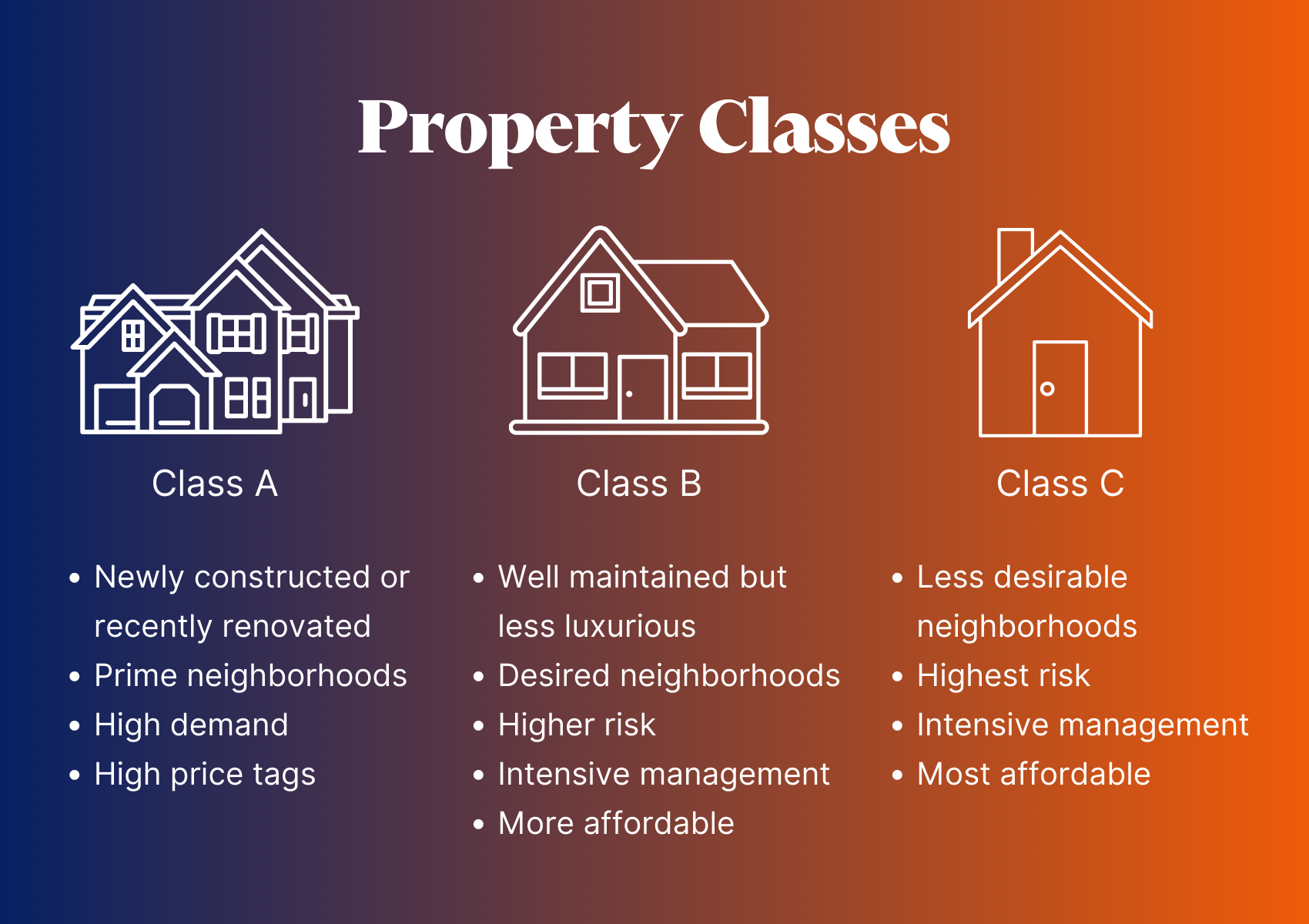
Apartment Class A vs B vs C is a widely used real estate classification system that helps investors, buyers, and renters quickly understand a property’s price level, construction quality, location, and overall value. The classification of apartments plays a crucial role in evaluating investment potential and lifestyle standards, as each class—A, B, or C—has distinct characteristics that directly impact cost, risk, and long-term returns.
Typically, apartments are categorized into three main classes: Class A, Class B, and Class C. These categories are based on factors such as building age, location quality, amenities, maintenance level, and tenant profile. This structured system allows potential renters or buyers to make informed decisions according to their budget, investment strategy, and living expectations.
Conversely, Class B apartments are typically older than Class A, ranging from 10 to 30 years old, yet still maintain reasonable quality and appeal. These properties are often situated in good neighborhoods but may lack some of the luxurious amenities found in Class A buildings. Rental prices for Class B apartments offer a balance between affordability and quality, making them a popular choice for a wide spectrum of renters.
Class C apartments are generally older and may have lower quality compared to the other two classes. These properties, often more than 30 years old, may require significant renovations or updates. Located in less desirable areas, Class C apartments usually have lower rental rates, attracting individuals looking for affordability over luxury. The distinction between these classes highlights the varying living conditions available in urban and suburban settings and can significantly influence one’s housing decision.
Characteristics of Class A Apartments
The target demographic for Class A apartments often consists of young professionals seeking an upscale living experience that complements their careers and lifestyle. Additionally, affluent families are drawn to the spacious layouts and community features that promote a family-friendly environment. These demographics value the blend of modern conveniences and a vibrant community, which reinforce the overall value of Class A apartments in the competitive rental market.
Characteristics of Class B and Class C Apartments
Apartment Class A vs B vs C continues with a closer look at the mid-range and affordable segments of the market, helping investors and renters fully understand how quality, pricing, and tenant demand differ across categories.
Class B Apartments
Within the Apartment Class A vs B vs C classification, Class B apartments typically represent the transitional or middle-market segment of multifamily housing. These properties commonly appeal to middle-income renters who want a balance between affordability and comfort.
Class B units are generally older than Class A properties, often constructed between the 1970s and early 2000s. Although they may not offer the same luxury finishes or high-end amenities found in Class A developments, they still provide solid, functional living standards. Amenities may include swimming pools, small fitness centers, parking areas, landscaped courtyards, and sometimes in-unit laundry facilities.
In the Apartment Class A vs B vs C comparison, Class B properties are usually located in stable, established neighborhoods. These areas often provide convenient access to schools, shopping centers, public transportation, and essential services. Because of their competitive pricing and moderate quality, Class B apartments offer a balanced option for renters seeking reliability without premium costs.
From an investment perspective, Class B assets are often attractive because they may allow for value-add opportunities. Strategic renovations and upgrades can potentially increase rental income and property appreciation.
Class C Apartments
In the Apartment Class A vs B vs C spectrum, Class C apartments represent the most affordable segment. These properties are typically located in less desirable or developing areas and often feature older infrastructure, with many buildings constructed before the 1970s.
Class C complexes usually offer limited amenities. Residents may find basic appliance packages, shared laundry facilities, and minimal community features. Luxury services are uncommon, and maintenance needs are generally higher compared to Class A and B properties.
Despite these limitations, Class C apartments play a vital role in the housing market. In the Apartment Class A vs B vs C framework, they provide essential housing solutions for budget-conscious residents who prioritize affordability over upscale features. This segment often attracts students, young professionals starting their careers, and lower-income families.
For investors, Class C properties can offer lower entry prices and potentially higher rental yield percentages. However, they also involve greater management responsibility, renovation risk, and tenant turnover.
From an investment perspective, Class B and Class C apartments can represent varied opportunities. Class B properties offer the potential for value-add initiatives through renovations and improved management strategies, thus increasing rental income and property value over time. Meanwhile, Class C apartments, despite their lower initial investment cost, may present higher turnover rates and maintenance-related expenses. However, they can also provide stable cash flow in markets with escalating housing demand. Understanding these characteristics can aid investors and renters in making informed decisions about where to live or invest.
Making the Right Choice: Price, Quality, and Value Considerations
Apartment Class A vs B vs C is an essential comparison for anyone considering renting or purchasing property. Understanding the differences between these classifications helps clarify how quality, amenities, location, and pricing align with your financial goals and lifestyle expectations. When evaluating Apartment Class A vs B vs C, the key is balancing budget constraints with long-term value.
When it comes to choosing the right property, each category within Apartment Class A vs B vs C offers a distinct living and investment experience.
Class A Apartments
In the Apartment Class A vs B vs C spectrum, Class A apartments represent the premium tier. These properties typically offer modern designs, high-end finishes, advanced security systems, and lifestyle-focused amenities such as gyms, pools, coworking spaces, and concierge services. They are often located in prime urban districts or desirable residential communities.
Because of these advantages, Class A apartments demand higher rental prices and purchase costs. While they may not be financially accessible to everyone, they often provide strong long-term benefits such as property appreciation, lower maintenance risks, and high tenant demand. For buyers with sufficient capital, investing in the Class A segment of Apartment Class A vs B vs C can offer stability and prestige.
Class B Apartments
Class B properties occupy the middle ground in the Apartment Class A vs B vs C classification. They typically provide a practical balance between affordability and comfort. While they may lack the luxury finishes of Class A units, they usually offer solid construction quality, functional amenities, and locations within well-established neighborhoods.
For many renters and investors, Class B apartments are an attractive option because they combine moderate pricing with reliable living standards. Within the Apartment Class A vs B vs C comparison, this segment often appeals to individuals who want accessibility to business districts or urban centers without paying premium prices. Additionally, Class B properties may present opportunities for value appreciation through renovations or upgrades.
Class C Apartments
At the more affordable end of Apartment Class A vs B vs C, Class C apartments provide budget-friendly housing solutions. These properties are generally older and may be located in less desirable or developing areas. Amenities are limited, and building infrastructure may require more maintenance.
However, Class C apartments can be a practical choice for renters or buyers with tighter budgets. While compromises on luxury and location may be necessary, they offer accessibility to housing at lower price points. When assessing Apartment Class A vs B vs C, it is important to weigh immediate affordability against factors such as commuting time, neighborhood quality, and future resale potential.
Ultimately, the decision will hinge on your personal circumstances, including financial flexibility, lifestyle preferences, and long-term goals. By evaluating the distinctions amongst Class A, B, and C apartments and aligning them with your priorities, you can make a more informed decision about where to live.




Join The Discussion