
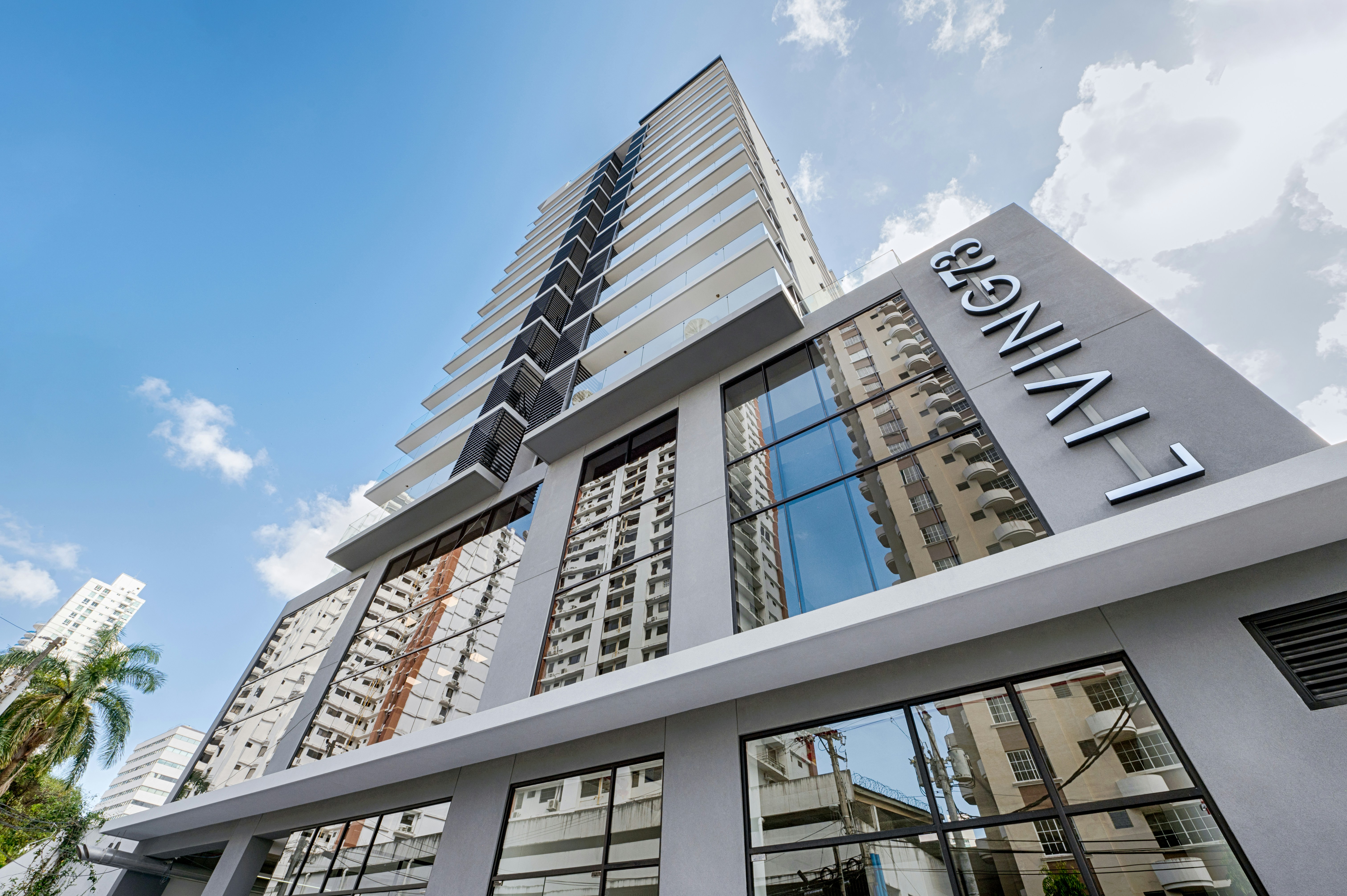
Understanding Global Living Standards
Global living standards encompass a broad spectrum of parameters that define the quality of life for individuals across the world. These standards evolve from various factors such as economic stability, technological advancements, and ecological considerations. In essence, they aim to establish a benchmark for housing, infrastructure, and overall well-being that can be adapted and applied in diverse contexts.
Accessibility stands as a cornerstone of global living standards. It refers to the availability and usability of essential services, including housing, healthcare, and education for all individuals, regardless of their socio-economic status or geographical location. Accessible design not only fosters inclusion but also enhances the quality of life for vulnerable communities. Additionally, sustainability emerges as a critical aspect of these standards, emphasizing the need for residential projects to adhere to environmentally-friendly practices. Sustainable housing initiatives focus on energy efficiency, renewable resources, and the reduction of waste, thereby ensuring that development can coexist harmoniously with nature.
Cultural inclusivity is another vital component of global living standards. Recognizing the diverse backgrounds of populations involves incorporating local traditions, languages, and building styles into housing designs. Such an approach not only respects cultural identities but also promotes social cohesion within communities. The interplay between these factors significantly influences how residential projects are conceived and implemented. As societies become increasingly interconnected, it is imperative that residential designs be responsive to global living standards.
The significance of adapting to these standards is profound. By doing so, housing projects are better equipped to meet the needs of a globally diverse population, thereby fostering greater equity, satisfaction, and a sense of belonging among residents.
Innovative Design Strategies for Global Appeal
In the context of global living standards, innovative design strategies play a pivotal role in shaping residential projects that cater to diverse cultural expectations and lifestyles. One prominent strategy is modular construction, which involves pre-fabricating sections of a building in a controlled environment and assembling them on-site. This method not only accelerates the construction process but also minimizes waste, making it an attractive option for eco-conscious developments. Modular construction enables architects and builders to create versatile living spaces that can easily adapt to various settings, addressing the growing demand for sustainable and affordable housing.
Another key aspect of modern residential design is the incorporation of eco-friendly materials. By utilizing resources such as reclaimed wood, bamboo, and recycled steel, developers can significantly reduce the environmental footprint of their projects. These materials not only enhance the durability of structures but also improve their aesthetic appeal. Furthermore, by prioritizing sustainability, architects can align their designs with the increasing global emphasis on environmental responsibility, appealing to a conscientious audience.
Integration of smart technology is also transforming the residential landscape, enhancing functionality and comfort. Smart home technologies, such as automated lighting, thermostats, and security systems, offer residents greater control over their living environments. This technological integration caters to the needs of a tech-savvy population, allowing for seamless management of home utilities, improved energy efficiency, and heightened security. Moreover, smart technology can easily adapt to various cultural contexts, providing tailored solutions that resonate with local lifestyles.
By employing these innovative design strategies—modular construction, eco-friendly materials, and smart technology integration—residential projects can significantly enhance their functionality and aesthetic appeal. In doing so, they create inclusive living spaces that not only meet global living standards but also honor the diverse expectations of residents from around the world.
Successful Residential Projects
Residential architecture is evolving to meet global living standards, emphasizing sustainability, community integration, and adaptability. One notable example is the One Central Park in Sydney, Australia. This high-rise residential project is designed to incorporate vertical gardens and green roofs, showcasing an innovative approach that combines urban living with environmental consciousness. The project not only enhances the aesthetic value of the cityscape but also promotes biodiversity and improves air quality. The design encourages community interaction through shared spaces, linking residents with nature and each other.
In contrast, the Aranya Community in India provides an insightful case study of suburban initiative aimed at inclusive development. This project strategically blends affordable housing with essential amenities, creating a self-sustained community. Residents have access to educational facilities, healthcare, and green spaces, addressing local challenges of poverty and insufficient infrastructure. The participatory design process involved community members, ensuring that the development reflects their needs and aspirations.
Another significant case study is the HafenCity project in Hamburg, Germany. This urban regeneration initiative transforms a former port area into a vibrant residential quarter. The project prioritizes mixed-use development, allowing for a blend of housing, retail, and leisure facilities. HafenCity focuses on energy efficiency and is equipped with state-of-the-art sustainable technologies, setting a benchmark for future projects. Furthermore, its extensive public transport connections illustrate a commitment to reducing car dependency, promoting an environmentally friendly mode of living.
Through these case studies, it is evident that successful residential projects tailored to meet global living standards can address local challenges while fostering community well-being. By employing innovative designs and prioritizing sustainability, these projects exemplify how the residential sector can adapt to the demands of modern urban and suburban environments.
Future Trends in Global Residential Design
The landscape of residential design is evolving as architects and urban planners respond to the shifting priorities dictated by global living standards. Emerging trends demonstrate a clear focus on sustainability, resilience, and community integration. As climate change poses significant challenges, advancements in sustainable technology are at the forefront of design considerations. Innovative materials and energy-efficient systems are being developed, enabling residential projects to minimize their environmental impact while promoting a lower carbon footprint.
In the realm of climate resilience, the need for adaptable design is crucial. Experts stress the importance of creating homes that can withstand natural disasters, fluctuating temperatures, and other climate-related challenges. This approach extends beyond mere structural integrity; it encompasses the entire living experience, ensuring comfort and safety for inhabitants. Future residential designs are likely to incorporate features such as flood-resistant structures and smart home technologies that monitor and respond dynamically to the environment.
A notable trend is the increasing emphasis on community-centric living. As urban areas continue to grow, the need for spaces that foster social interaction and inclusivity becomes paramount. This shift aligns with the understanding that individuals thrive in environments that promote connection and shared experiences. Architects are now designing multi-functional spaces that incorporate communal gardens, shared facilities, and collaborative zones to enhance the sense of belonging among residents.
Furthermore, as diverse cultures shape urban neighborhoods, future residential projects must accommodate a variety of lifestyles and preferences. This entails a departure from homogenized designs toward more culturally sensitive approaches that reflect and respect the unique identities of their inhabitants. By embracing cultural diversity in architecture, designers can create living spaces that resonate with the communities they serve.



Join The Discussion