
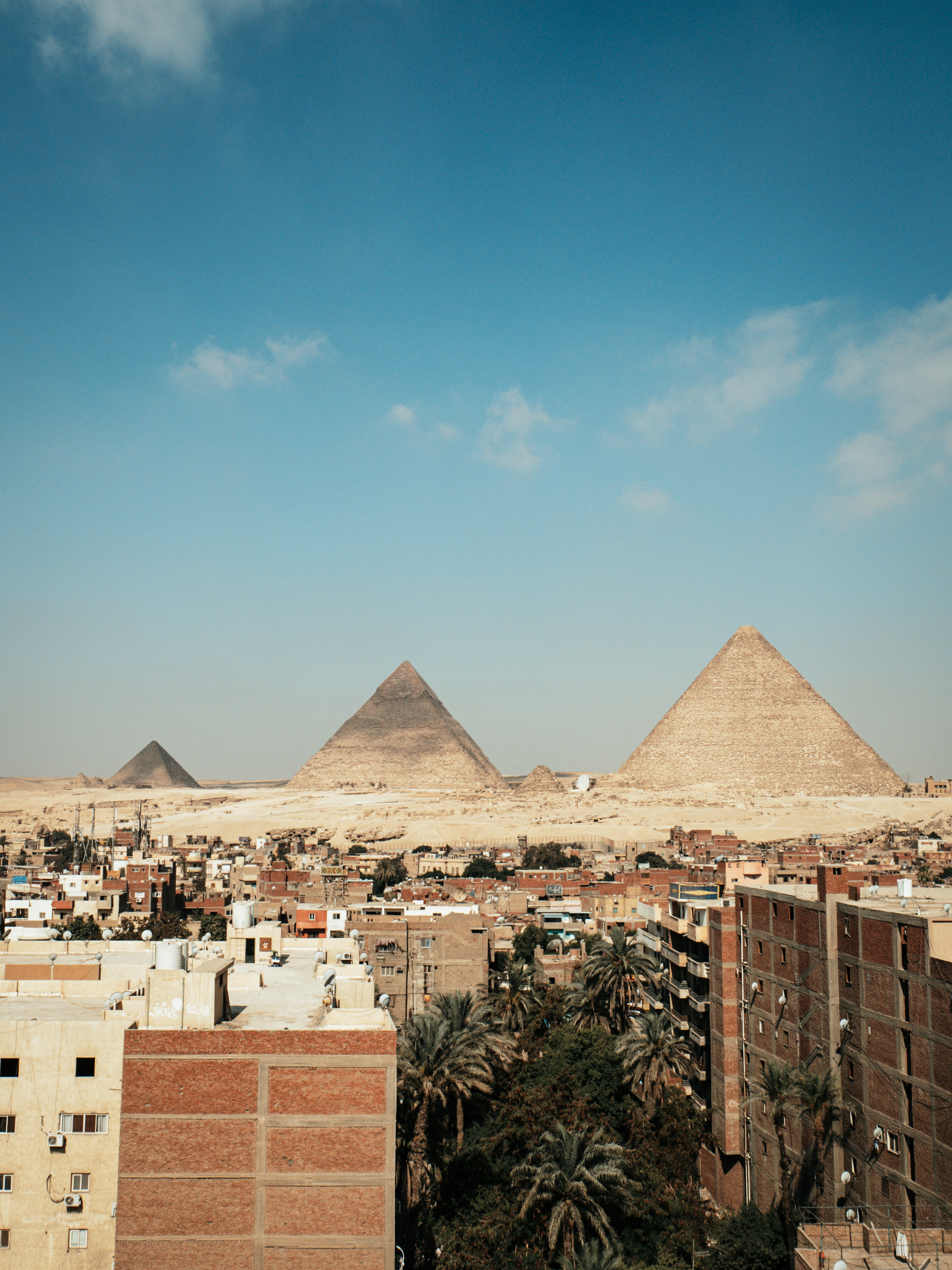
Current State of the Egyptian Real Estate Market
The Egyptian real estate market has undergone significant transformations in recent years, particularly in 2023. Rising economic indicators, such as GDP growth and increased foreign investment, have contributed to a more robust market. The ongoing urbanization process, characterized by the migration of individuals from rural areas to urban centers, has created a burgeoning demand for residential, commercial, and industrial properties. Major cities, including Cairo and Alexandria, have become focal points for this expanding market as they accommodate the growing population seeking modern housing solutions.
Demographic trends also play a crucial role in shaping the real estate sector. The youthful population of Egypt, with a median age of approximately 24 years, is driving preferences towards contemporary living spaces that offer amenities and proximity to services. This demand is reflected in the developments across various neighborhoods, where developers are focusing on building smart and sustainable communities that cater to the needs of this demographic, particularly millennials and first-time homebuyers.
Furthermore, government initiatives aimed at stimulating the real estate market have introduced a range of incentives for both local and foreign investors. Efforts to increase affordable housing stock, enhance infrastructure, and promote investment in new urban areas highlight the government’s commitment to sustaining growth in the sector. Moreover, specific policies designed to attract foreign direct investment (FDI) have led to collaborations with international real estate firms and further diversification of the market.
Regional disparities also exist, as urban areas tend to attract more investment compared to rural locations. The luxury market in Cairo and Alexandria has witnessed substantial growth, fueled by the influx of high-net-worth individuals seeking upscale properties. These dynamics illustrate a shifting landscape where economic factors, buyer preferences, and governmental support interconnect to define the current state of the Egyptian real estate market.
Predicted Trends for 2025
As we look ahead to 2025, several key trends are expected to significantly shape the Egyptian real estate market. One of the foremost trends will be the increasing adoption of digital real estate solutions. With the rapid advancement of technology, property transactions are likely to become more streamlined through enhanced online platforms and virtual tours. These innovations will not only improve the buyer’s experience but will also optimize the operational efficiency of real estate companies. The integration of digital tools is expected to expand reach, facilitate easier access to market data, and bolster transparency in property dealings.
Another anticipated shift is the growing emphasis on sustainability and eco-friendly practices within the industry. Consumers are becoming more environmentally conscious, which is driving a preference for sustainable developments and smart homes. By 2025, it is likely that a significant portion of new residential and commercial projects will prioritize energy efficiency and sustainable materials. Developers may incorporate smart technologies that allow for better energy management, security, and overall convenience. This evolution reflects a broader global movement towards more responsible living and working environments, positioning sustainability as a critical factor in prospective buyers’ decisions.
Foreign investments will continue to play a crucial role in shaping the Egyptian real estate landscape. As global investors increasingly look towards emerging markets, Egypt’s promising economic reforms will likely serve as a catalyst for this interest. Foreign capital influx could significantly influence various segments of the market, including residential, commercial, and luxury properties. Additionally, the evolving regulatory framework may contribute to a more robust investment climate, ultimately supporting market growth and attracting a diverse range of international stakeholders. This multifaceted approach to real estate development will be vital for positioning Egypt as a leading market in the MENA region.
Challenges Facing the Real Estate Industry
The Egyptian real estate industry, while exhibiting promising growth prospects, is confronted with several challenges that could impact its trajectory by 2025. Fluctuating economic conditions represent a crucial issue, as the overall performance of the real estate market significantly relies on the country’s macroeconomic stability. Economic uncertainties may lead to decreased consumer confidence, resulting in a slowdown in property sales and lower rental demands.
Inflationary pressures are another major concern, particularly in a landscape where prices are rising faster than wages. This inflation may erode the purchasing power of potential buyers, making it difficult for a significant portion of the population to invest in real estate. As inflation continues, developers may also face increased costs for materials and labor, which can lead to higher property prices and reduced affordability for consumers.
Access to financing is an essential element in real estate transactions, and any restrictions in this area could hinder market growth. Stringent lending practices can make it difficult for developers to secure the necessary capital for projects, which could result in reduced inventory and fewer options for buyers. Additionally, high interest rates can deter consumers from taking loans, further impacting the demand for housing and commercial properties.
Regulatory hurdles also pose substantial challenges. Compliance with evolving regulations can be both time-consuming and costly for developers, particularly in a market that is subject to frequent changes in governmental policies. These regulatory measures may include new environmental regulations or changes in land use policies, which could complicate project approvals and delay development timelines.
To mitigate these risks, investors and developers must adopt strategies such as diversifying their portfolios, employing cost-effective construction methods, and maintaining an adaptive approach to market conditions. By utilizing insights from industry experts and leveraging comprehensive market statistics, stakeholders can navigate the complexities of the Egyptian real estate environment and better position themselves for future success.
Opportunities in the Egyptian Real Estate Market
The Egyptian real estate market is poised for substantial growth by 2025, presenting numerous opportunities for investors and stakeholders. The integration of technological advancements has revolutionized the way real estate transactions and developments are conducted. Digital platforms facilitate more efficient property searches, while innovative construction technologies enhance building processes, reducing costs and increasing efficiency. This technological landscape offers a unique avenue for smart investments, especially in urban centers where demand is steadily rising.
As urbanization continues to escalate, the demand for residential and commercial properties within burgeoning cities like Cairo and Alexandria is increasing. Urban areas are expanding, driven by population growth and economic development, creating significant potential for real estate projects. These developments often require the construction of modern housing complexes, commercial centers, and integrated urban facilities, thereby opening doors for investors to engage in large-scale developments.
Moreover, the revitalization of underserved regions is another notable opportunity. As the government prioritizes investment in infrastructure, areas previously overlooked are gaining attention. Initiatives targeting these areas not only enhance resident lifestyles but also attract investment, making them ripe for real estate development. Additionally, sectors such as tourism and hospitality are poised for growth, with ongoing projects aiming to boost Egypt’s appeal as a tourist destination. This increase in foot traffic translates to a burgeoning demand for hotels, resorts, and recreational facilities.
In light of these trends, stakeholders should consider diversifying their portfolios to include innovative residential complexes, commercial developments, and investment opportunities in the hospitality sector. Engaging with local and regional markets is crucial, as understanding community needs can lead to sustainable development practices. Overall, the Egyptian real estate sector offers a panorama of opportunities that, if strategically leveraged, can yield significant returns by 2025.



Join The Discussion