
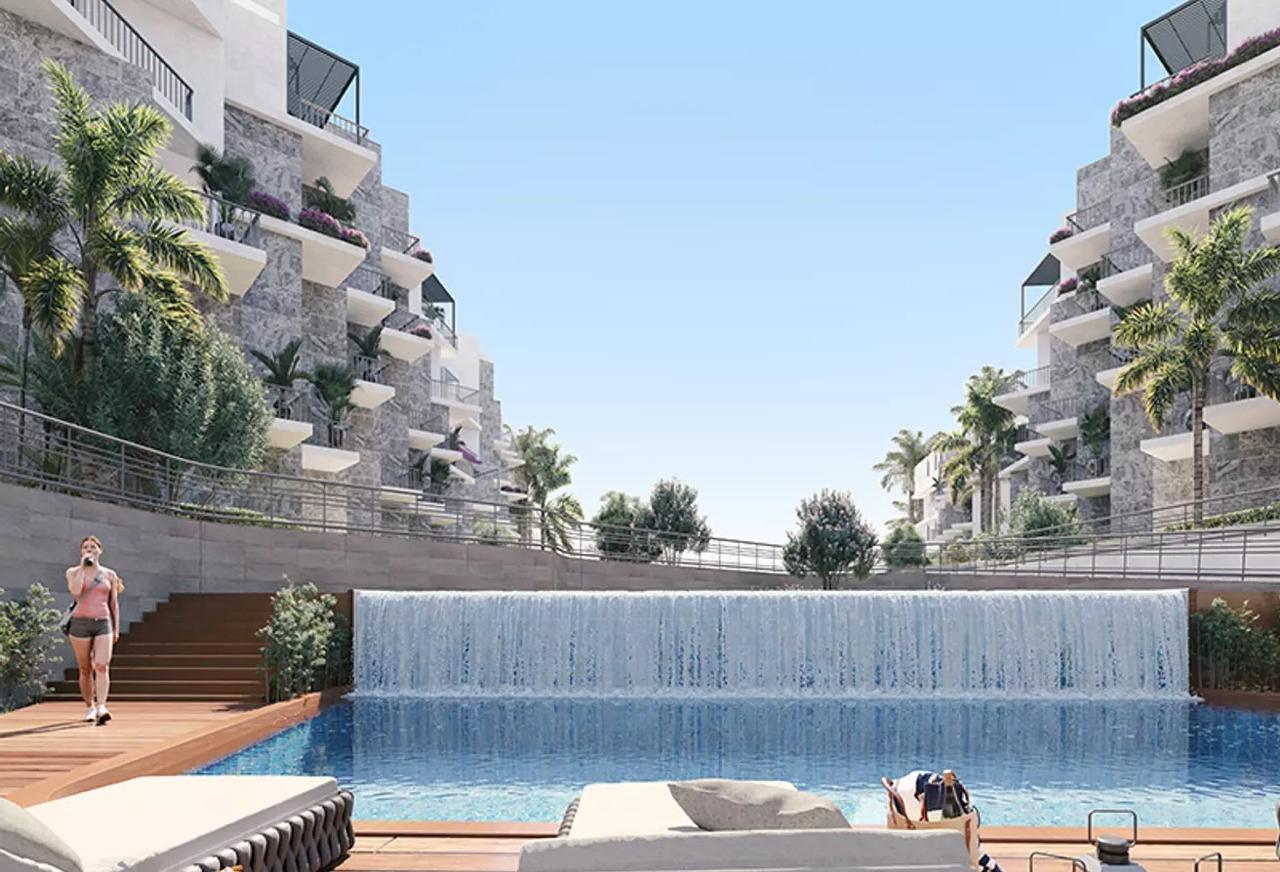
Introduction to Eco-Friendly Homes
The concept of eco-friendly homes has gained remarkable traction in recent years, reflecting a growing awareness of environmental issues and the need for sustainability. Eco-friendly homes are designed to minimize their impact on the environment, employing sustainable materials, energy-efficient designs, and innovative technologies to reduce waste and carbon footprints. Such homes often incorporate features such as solar panels, rainwater harvesting systems, and improved insulation, all aimed at promoting a more sustainable lifestyle.
In the context of Hurghada, the appeal of eco-friendly homes is becoming increasingly significant. This coastal city, known for its stunning natural beauty and vibrant tourism, is witnessing a shift towards more sustainable living practices. The region’s unique climate and topography offer excellent opportunities for the integration of eco-friendly designs, enabling builders and homeowners to take advantage of renewable energy sources while preserving the local environment.
Globally, the trend towards eco-friendly living is not confined to a specific location but is part of a larger movement aimed at addressing environmental challenges. Many countries are advocating for sustainable practices, encouraging homeowners to invest in green technologies and environmentally responsible techniques. The incorporation of eco-friendly practices into construction and home design illustrates a collective effort to mitigate climate change and promote sustainability.
As a key player in this broad movement, Hurghada exemplifies how local initiatives can contribute to global sustainability goals. By embracing eco-friendly homes, the city not only enhances its appeal to environmentally conscious residents and visitors but also leads by example in fostering a future where environmental health and quality of life coexist harmoniously.
Benefits of Eco-Friendly Homes
Eco-friendly homes are gaining recognition in Hurghada as more homeowners are becoming aware of their numerous advantages. One of the primary benefits is the significant reduction in energy costs. By utilizing energy-efficient appliances, solar panels, and superior insulation, eco-friendly homes minimize reliance on traditional energy sources and lower utility bills. These sustainable practices not only benefit the homeowner’s wallet but also contribute positively to the environment by reducing greenhouse gas emissions.
Enhanced indoor air quality is another considerable advantage of eco-friendly housing. Eco-conscious construction materials and design principles ensure that harmful pollutants are minimized indoors. For instance, using low-VOC (volatile organic compounds) paints and non-toxic building materials creates a healthier living environment. Consequently, homeowners experience fewer respiratory problems and allergens, leading to overall improved well-being. These benefits are particularly crucial for families with children or individuals who have sensitivities to common pollutants.
The impact of eco-friendly homes extends beyond individual benefits; they play a vital role in nurturing the local ecosystem. Sustainable practices often involve landscaping strategies that promote biodiversity. Native plants, for instance, are encouraged in gardens, which can attract various species of wildlife and enhance the natural beauty of Hurghada. Furthermore, as more homeowners adopt sustainable practices, it creates job opportunities related to eco-friendly construction, landscaping, and maintenance, therefore stimulating the local economy.
Moreover, eco-friendly homes have been shown to increase property values in Hurghada. As the demand for sustainable living rises, homes that incorporate eco-friendly features often command higher market prices. This trend reflects a growing awareness among buyers of the long-term benefits and savings associated with green living. The collective adoption of eco-friendly practices not only contributes to individual wellness but positively impacts the community, making Hurghada a more sustainable place to live.
Innovative Eco-Friendly Features and Technologies
As sustainability becomes an increasingly vital consideration in modern living, integrating innovative eco-friendly features and technologies into homes is gaining significant traction, particularly in places like Hurghada. Homeowners and builders alike are recognizing the benefits of adopting practices that promote environmental stewardship while enhancing the quality of life. Solar panels stand at the forefront of these technologies. By harnessing the abundant sunlight characteristic of the region, these systems can drastically reduce energy costs and carbon footprints for households. With various local developers incorporating solar energy solutions, prospective homeowners can enjoy the dual advantages of sustainability and decreased utility expenses.
Another noteworthy feature being adopted in eco-friendly homes is rainwater harvesting systems. These systems allow homeowners to capture and store rainwater for various non-potable applications, such as irrigation and toilet flushing. In Hurghada, innovative designs often include tanks and filtration systems that facilitate efficient water management, addressing the critical issue of water scarcity in arid climates. Homeowners can significantly enhance their sustainability footprint by utilizing this technology, contributing to community water conservation efforts.
Green roofs are also emerging as a popular feature in eco-friendly architectural designs. This not only adds aesthetic value but also improves energy efficiency and biodiversity. By insulating homes and reducing heat absorption, green roofs can contribute to lower energy consumption, promoting a balanced microclimate in urban settings. In Hurghada, several building projects showcase the successful implementation of green roofs, providing residents with enhanced recreational spaces while contributing to environmental health.
Lastly, energy-efficient appliances are becoming a staple in eco-friendly homes. By using advanced technology to minimize electricity usage, these appliances offer substantial savings on energy bills. Local developments increasingly include Energy Star-rated products, demonstrating a commitment to not only fostering sustainability but also ensuring homes are equipped with the latest innovations in efficiency. Collectively, these technologies highlight the transformative potential of eco-friendly features in creating sustainable living environments in Hurghada.
The Future of Eco-Friendly Living in Hurghada
The future of eco-friendly living in Hurghada appears promising, driven by a combination of innovative construction practices, evolving urban planning, and supportive government initiatives. Recent trends in sustainable building designs emphasize energy efficiency, water conservation, and the use of renewable materials. Developers are increasingly embracing green architecture, resulting in residential and commercial structures that minimize the environmental impact while promoting a healthier living space for occupants. As the demand for eco-friendly homes grows, this shift in construction methods is expected to redefine the skyline of Hurghada.
Urban planning has also taken a pivotal role in fostering sustainability in Hurghada. Current plans prioritize the development of green spaces, efficient public transportation systems, and pedestrian-friendly areas to reduce reliance on vehicles and lower carbon emissions. The integration of smart technologies, such as energy-efficient lighting and waste management systems, is becoming standard practice, aligning with the goals of eco-friendly living. These enhancements contribute not only to a more sustainable urban environment but also to improved quality of life for residents.
Furthermore, government initiatives are playing a crucial role in promoting eco-friendly practices. Incentives for renewable energy projects, such as solar power installations, are encouraging homeowners and businesses to transition towards more sustainable energy sources. Educational campaigns aim to raise awareness about the importance of environmental stewardship, prompting community engagement in eco-friendly practices. The involvement of local residents is vital as grassroots movements can yield significant advancements in sustainability efforts.
However, challenges remain as stakeholders navigate the transition to eco-friendly living. These include gaining public support, overcoming financial constraints, and addressing the existing infrastructure that may not align with sustainable goals. Despite these hurdles, Hurghada has the potential to lead the green living movement in Egypt. Through collaboration among government, developers, and the community, an eco-friendly future is not only achievable but serves as a beacon of sustainable living in the region.


Join The Discussion