
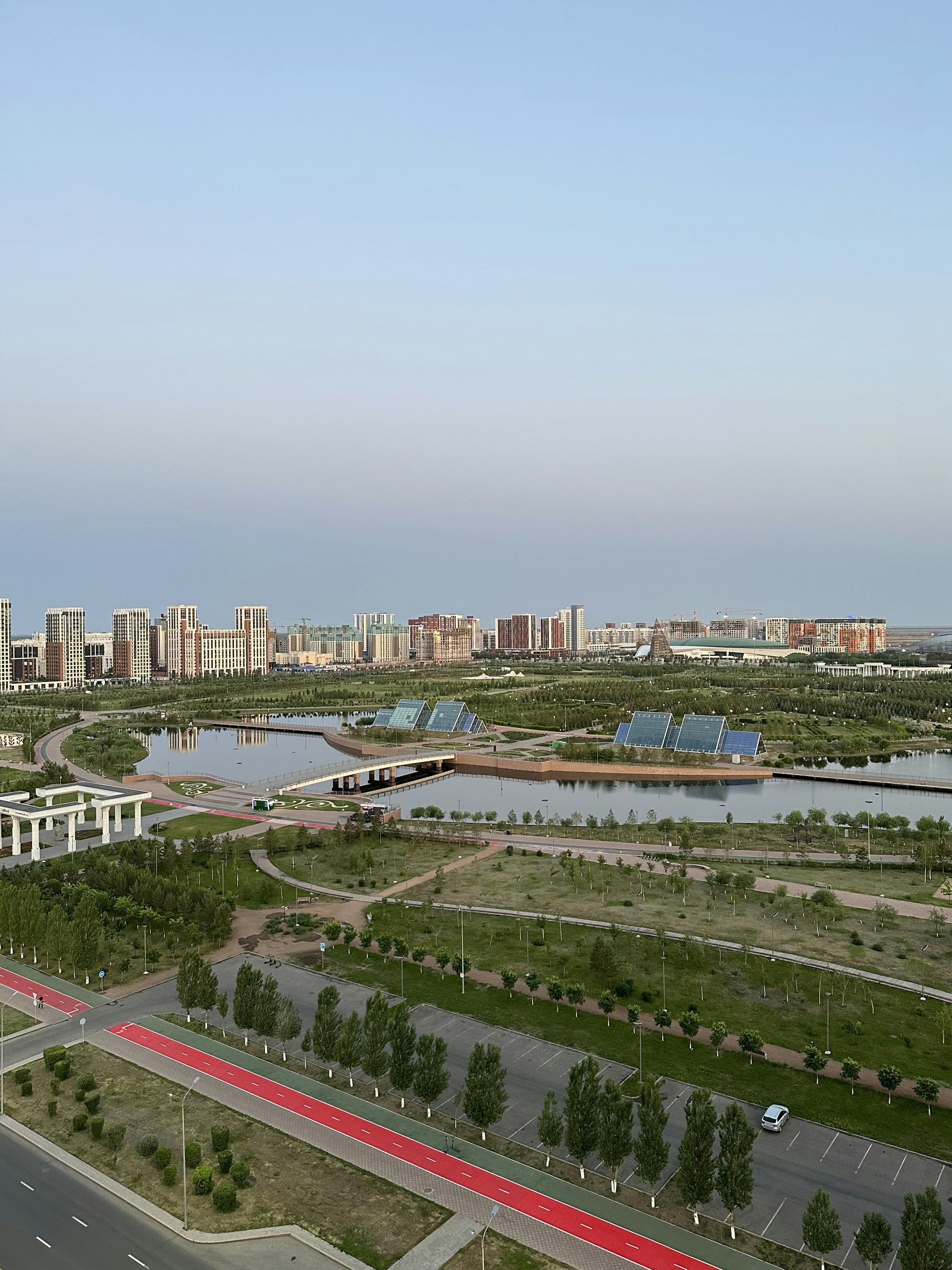
Understanding Smart Cities
Smart cities represent a revolutionary approach to urban development, leveraging technology and data to enhance the quality of life for residents. The concept of a smart city encompasses a blend of innovations designed to improve public services, resource management, and infrastructure. These urban areas utilize a network of connected devices that communicate in real-time, allowing for efficient operations in areas such as transportation, energy consumption, waste management, and public safety.
Key features of smart cities include the integration of internet of things (IoT) devices, which gather data to facilitate informed decision-making. For example, sensors can monitor traffic patterns, enabling better traffic flow and reducing congestion. Additionally, smart grids enhance the management of energy resources, leading to more efficient energy consumption and supporting sustainability initiatives. Environmental sensors are increasingly deployed to help monitor air and water quality, contributing to healthier urban environments.
The benefits of implementing smart city principles are multifold. By enhancing public services, cities can provide timely information and improve the responsiveness of emergency services. Residents of these cities enjoy improved access to amenities, such as efficient public transportation systems that reduce commuting times. Furthermore, through sustainable practices, these urban centers aim to minimize their carbon footprint and promote a healthier living environment.
Global examples of successful smart city implementations abound, with cities like Barcelona, Singapore, and Amsterdam leading the way. In Barcelona, smart streetlights adjust their brightness based on pedestrian activity, while in Singapore, an integrated public transport system incorporates real-time data to improve transit efficiency. Such implementations showcase the potential for combining technology and sustainability in the quest for urban development that prioritizes quality of life and environmental stewardship.
The Role of Smart Technology in Sustainable Living
Smart technology is increasingly recognized as a pivotal component in promoting sustainable living, especially in urban environments like Hurghada. At the heart of this transformation lies the development of smart grids, which optimize energy distribution and management. By incorporating advanced sensors and real-time data analysis, smart grids enhance the efficiency of electricity usage, enabling cities to balance supply and demand effectively. This not only reduces energy wastage but also facilitates the integration of renewable energy sources, such as solar and wind power, into the urban infrastructure.
Furthermore, the deployment of renewable energy technologies is crucial for sustainable urban development. Smart technology aids in maximizing the use of these resources by allowing for better storage solutions and distribution mechanisms that can respond to fluctuations in energy production and consumption. This creates a more resilient energy framework capable of supporting the growing needs of urban populations while minimizing reliance on fossil fuels.
Efficient waste management systems are another area where smart technology significantly contributes to sustainability. The introduction of IoT devices in waste collection and sorting processes can improve the monitoring of waste levels, enabling timely pickups and reducing unnecessary trips. Such efficient systems not only lower carbon emissions associated with waste transport but also enhance recycling rates and resource recovery. By utilizing real-time data, cities can streamline operations, leading to a more circular economy.
In addition, the integration of IoT devices into everyday life enhances energy conservation and resource optimization in households and businesses. Smart home technologies enable residents to monitor and control their energy consumption actively, while smart water management systems help in conserving water resources. These innovations collectively foster a culture of sustainability, encouraging citizens to adopt eco-friendly practices.
Collectively, the incorporation of smart technology in urban settings holds immense potential to reduce environmental footprints, making cities like Hurghada more sustainable for future generations.
Sustainable Development Initiatives in Hurghada
Hurghada, a prominent tourist destination on the Red Sea, is increasingly becoming a focal point for sustainable urban development. The local government has recognized the importance of integrating smart city principles into its urban planning to promote sustainable living. This has led to various initiatives aimed at ensuring environmental harmony, social equity, and economic viability within the community.
One of the key areas of focus is the implementation of eco-friendly transportation options. The municipality has made significant investments in enhancing public transportation systems to reduce the dependency on individual vehicles. This includes the introduction of electric buses, which not only minimize air pollution but also provide a cost-effective alternative for residents and visitors alike. Additionally, bike-sharing programs are being promoted to encourage a healthier lifestyle while simultaneously reducing the carbon footprint associated with urban commuting.
Water conservation methods have also been a subject of attention. Hurghada relies heavily on its aquifers and desalination plants to meet the growing demand for fresh water. The local authorities have partnered with various organizations to promote water-saving campaigns and encourage residents to adopt more efficient practices. Examples include the installation of water-efficient appliances and the promotion of greywater recycling systems that utilize water from sinks and showers for irrigation purposes.
Furthermore, the development of green spaces is another initiative aligning with the principles of a smart city. Parks and recreational areas are being designed not only to improve the quality of life for residents but also to promote biodiversity and sustainability in urban settings. Community gardens and green rooftops are being introduced to enhance urban greenery, providing benefits such as reducing urban heat and improving air quality.
These examples illustrate how Hurghada is actively working to incorporate sustainable practices into its urban development strategy. Through collaborations between government agencies, private enterprises, and community members, the city is paving the way for a greener, more sustainable future.
The Future of Hurghada as a Smart and Sustainable City
As Hurghada embarks on its journey toward becoming a fully integrated smart city, the focus on sustainability will be paramount. The city’s potential for sustainable urban development is immense, fueled by innovative technologies and a commitment to efficient resource management. One of the key components will be significant investments in smart infrastructure, such as energy-efficient buildings, intelligent transportation systems, and enhanced waste management solutions. These advancements not only improve the overall quality of life for residents but also minimize the city’s ecological footprint.
However, the transition towards a smarter and more sustainable Hurghada will not be without challenges. A critical aspect will be the need for collaboration among various stakeholders, including governmental entities, private sector investors, and local communities. Each group must work together to ensure that developmental goals align with sustainability principles. By fostering strong partnerships, Hurghada can leverage expertise and resources that contribute to shared objectives, thereby enhancing the city’s resilience against environmental and economic uncertainties.
The role of residents cannot be overstated; their active participation is vital in the urban planning and development processes. Engaging the community through workshops, public forums, and participatory initiatives will empower citizens to take ownership of their environment. Encouraging public input not only leads to more inclusive decision-making but also fosters a sense of responsibility towards sustainable living practices. Moreover, ongoing education about sustainability initiatives will cultivate a culture of innovation within the community.
In conclusion, as Hurghada positions itself as a leader in smart city and sustainability efforts, the collective commitment to innovation and collaboration will shape its future. With strategic planning and community involvement, Hurghada will not only embrace technology but will also ensure that these advancements contribute to a more sustainable and vibrant urban life for future generations.



Join The Discussion