

Overview of Hurghada’s Tourism Landscape
Hurghada, located along the Red Sea coast of Egypt, is one of the country’s foremost tourist destinations. This vibrant city offers a strategic geographical position, approximately 500 kilometers from Cairo and easily accessible by air or road. Its unique location benefits from a year-round warm climate, characterized by mild winters and hot summers, making it an appealing getaway for both local and international travelers seeking sun and relaxation.
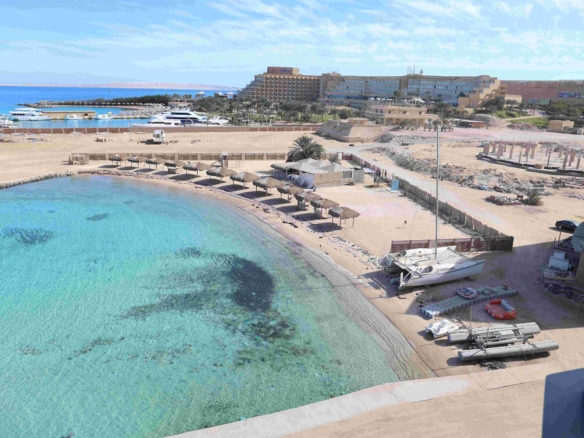
The tourism sector in Hurghada holds significant importance for the local economy, contributing to employment, infrastructure development, and overall economic growth. Over the past two decades, the city has witnessed a substantial transformation, emerging as a key player in Egypt’s tourism landscape. The redirection of tourism trends toward Hurghada is attributed to its stunning coastline, renowned for picturesque beaches and crystal-clear waters. The area provides excellent opportunities for various water sports, including snorkeling, scuba diving, and windsurfing, which attract adventure seekers and nature enthusiasts alike.
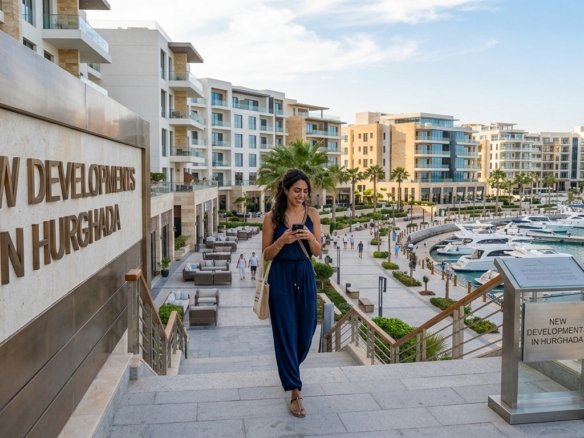
Moreover, Hurghada is rich in cultural heritage, offering visitors access to historical sites and nearby ancient cities such as Luxor and Karnak, further enhancing its appeal. This mixture of natural beauty and cultural depth creates a vibrant tourism blend that has successfully drawn millions each year. In recent years, significant investments in hospitality and infrastructure have bolstered the tourism landscape, providing ample accommodation options and amenities for visitors. The steady growth of the tourism sector underscores the increasing demand for high-quality experiences in Hurghada, presenting lucrative investment opportunities for stakeholders aiming to capitalize on its thriving market.
Economic Impact of Tourism Investments
The tourism sector plays a pivotal role in shaping the economy of Hurghada, providing significant direct and indirect benefits that foster economic growth. One of the most notable impacts is job creation, as investments in tourism-related projects lead to numerous employment opportunities. Hotels, restaurants, and entertainment venues require a diverse workforce, ranging from service staff to management positions. The influx of tourists stimulates demand, necessitating a robust labor market that supports both seasonal and full-time jobs. Recent statistics indicate that tourism provides employment for approximately 20% of the local population, highlighting its significance as a livelihood source.
In addition to job creation, the revenue generated from tourism investments contributes substantially to local businesses. Restaurants, shops, and service providers experience heightened sales due to increased visitor traffic. For instance, successful projects such as the development of luxury resorts and beachfront hotels have not only attracted international visitors but also bolstered the performance of surrounding local businesses. The multiplier effect of tourism spending ensures that money circulates within the community, enhancing overall economic resilience.
Furthermore, investments in tourism often lead to improvements in infrastructure, benefiting both tourists and residents alike. Upgrades to transportation networks, water systems, and telecommunications are often necessary to accommodate the increased influx of visitors. This not only enhances the tourism experience but also improves the quality of life for local inhabitants. As an example, the enhancement of Hurghada’s airport facilities and the expansion of road networks have created smoother travel experiences, fostering an environment conducive to further tourism growth.
In light of these factors, tourism investments in Hurghada serve as a catalyst for economic development, generating revenue, creating jobs, and paving the way for enhanced infrastructure. The greatest returns on these investments are evident, establishing tourism as a core component of the region’s economic landscape.
Investment Opportunities in Hurghada’s Tourism Sector
Hurghada, located on the Red Sea, has emerged as a pivotal hub for tourism investment, characterized by its pristine beaches, vibrant marine life, and rich cultural heritage. Investing in Hurghada’s tourism sector presents numerous opportunities, with key areas including hotels, resorts, eco-tourism initiatives, and adventure tourism.
The hotel and resort segment is directly influenced by the increasing number of international tourists visiting Hurghada annually. Investors can capitalize on the demand for luxury accommodations as well as budget-friendly options. Diversifying offerings through boutique hotels or all-inclusive resorts can cater to various customer preferences and significantly enhance profitability.
Moreover, the growing trend of eco-tourism has paved the way for investments in sustainable projects that emphasize environmental preservation while offering unique experiences. Eco-friendly resorts, local community engagement programs, and conservation initiatives are in high demand as travelers increasingly seek responsible tourism options. Investors can also explore partnerships with local eco-entrepreneurs to promote green practices within the industry.
Adventure tourism is another sector ripe for investment, given Hurghada’s geographical advantages offering activities such as scuba diving, snorkeling, and desert safaris. Establishing adventure sports centers or guided tour operations can attract thrill-seeking tourists and contribute to the local economy.
Market trends indicate a steady recovery post-pandemic, with an influx of foreign investment due to attractive government incentives aimed at stimulating the tourism sector. Regulations have been streamlined to facilitate investment, including tax breaks and support for infrastructure development. The Egyptian government actively encourages both local and foreign investors, providing a framework that offers security and support throughout the investment lifecycle.
Successful case studies, such as the establishment of renowned resorts and community-based tourism projects, have demonstrated the viability of investing in Hurghada. These ventures not only yield impressive financial returns but also foster sustainable development within the region, reinforcing the attractiveness of Hurghada as a premier investment destination in the global tourism landscape.
Challenges and Future Prospects of Tourism Investment
The tourism sector in Hurghada faces a variety of challenges that stakeholders must navigate to ensure continued growth and sustainability. One of the primary issues is the intense competition from both regional and global destinations. Countries in the Mediterranean region are increasingly enhancing their offerings, which can divert potential visitors from Hurghada. To remain competitive, stakeholders must therefore innovate their services, improve promotional strategies, and enhance customer experiences.
Additionally, environmental concerns present a significant challenge for the tourism industry in Hurghada. With the rise in tourist numbers, the strain on local ecosystems and natural resources has grown. Issues such as coastal erosion, waste management, and the preservation of marine life must be addressed through sustainable practices. Implementing eco-friendly initiatives and promoting responsible tourism can not only mitigate these environmental impacts but also attract a growing demographic of eco-conscious travelers.
Changing tourist preferences further complicate the landscape for tourism investment. Travelers today seek unique experiences and authenticity, favoring personalized services over traditional mass tourism offerings. To meet these evolving demands, investors should focus on diversifying their products, enhancing cultural exchanges, and offering personalized itineraries that showcase the rich history and culture of Hurghada.
Looking towards the future, several trends could shape the tourism investment climate in Hurghada. The rise of digital nomadism, increased focus on wellness tourism, and greater integration of technology in the hospitality sector are all significant factors to consider. By aligning investment strategies with these trends, stakeholders can harness new opportunities that will foster growth. Ultimately, while challenges may persist, the enduring appeal of Hurghada as a prime tourist destination presents promising prospects for long-term investment in its tourism industry.



Join The Discussion